WMSIC Electronic Components

(10 Pcs) SMCJ150A

ModelSMCJ150A
PackageSMC(DO-214AB)
Price Price on request Electronic component prices change quickly with market supply and demand. Please refer to the latest WMSIC quotation for current pricing.
Configuration
9 options
Configuration SMCJ160CA · CNY · SMCJ160CA/TR13 · BM0257588019 · 10 · 3784843 · 0.407

Available for RFQ

Technical data

Product details

20 specifications

Core information

Product name
Brightking SMCJ160CA / TR13
Type
SMC(DO-214AB)
Unit
Pcs
Minimum package
10

Technical parameters

Electronic Component
Brightking
Electronic Component
SMCJ160CA/TR13
Electronic Component
1
Package
SMC(DO-214AB)
Electronic Component
Type
TVS
Electronic Component
ESD and Surge Protection (TVS / ESD)
Electronic Component
0.371g
Electronic Component
1
Electronic Component
BM0257588019
Operating Temperature
65℃~+150℃
Voltage
259V
Current(Ir)
1uA
Voltage(VBR)
197V
Electronic Component
3000
Power(Ppp)
1.5kW@10/1000us

For datasheets, package documents, compatible-part guidance, or other technical resources, contact WMSIC customer service. Availability is confirmed case by case.

SMCJ160CA/TR13 产品概述

一 产品简介

SMCJ160CA/TR13 是台湾品牌 Brightking(君耀)出品的一款双向瞬态电压抑制器(TVS),采用 SMC(DO-214AB)封装,针对工业、通信和电力电子等需要抑制高能量瞬态过电压的场合设计。器件能够在瞬态浪涌事件中迅速钳位保护下游电路,典型应用包括电源线路防护、逆变器、PWM 驱动与大功率开关设备的浪涌吸收等。

二 主要电气参数

  • 类型:TVS(双向)
  • 额定反向工作电压(Vrwm):160 V
  • 击穿电压(Vbr):约 197 V
  • 钳位电压(Vcl):259 V(峰值脉冲条件下)
  • 峰值脉冲电流(Ipp):5.8 A
  • 峰值脉冲功率(Ppp):1.5 kW(10/1000 µs 波形)
  • 反向电流(Ir):≤ 1 µA(在额定反向工作电压下)
  • 工作温度范围:-65 °C ~ +150 °C
  • 封装:SMC (DO-214AB)
  • 品牌:Brightking(台湾君耀)
  • 产品型号:SMCJ160CA/TR13

注:以上关键参数均以厂家资料为准,钳位电压与击穿电压通常是在特定测试条件(如测试电流、脉冲波形)下测得,实际应用中可能受温度、PCB 布局与脉冲重复率影响。

三 关键特性

  • 双向抑制:可在正负方向对称工作,适合交流或双极性瞬态的保护场合。
  • 高功率吸收能力:在 10/1000 µs 波形下可承受 1.5 kW 峰值功率,能应对高能量的线路浪涌。
  • 低反向漏电流:Ir ≤ 1 µA,有利于在高阻系统或待机电路中降低漏电消耗。
  • 宽工作温度:-65 °C 到 +150 °C,适用于苛刻环境与高温工况。
  • 封装优势:SMC 封装具备较好的散热与焊接可靠性,便于自动贴装与波峰/回流焊工艺。

四 典型应用场景

  • 工业电源与电机驱动的浪涌保护:对抗开关瞬变、电缆感应雷击及变频器产生的尖峰电压。
  • 电力电子与逆变器输入/输出防护:保护功率模块和控制部分免受意外过压损坏。
  • 通信与基站设备:保护直流供电线、输入端口免遭雷电和线路跳变冲击。
  • 光伏逆变与储能系统:防止电压尖峰损坏关键器件。
  • 需要双向保护的 AC/双极性信号或电源线防护场合。

五 封装与机械信息

  • 封装类型:SMC(DO-214AB),适合中大功率 TVS 器件。
  • 焊接与散热:SMC 封装底部有较大的焊盘接触面积,有利于热量导出。焊接时建议按厂家推荐的回流/波峰温度曲线和焊盘尺寸设计,以保证长期可靠性。
  • 安装建议:器件应尽可能靠近被保护电路的入口端(来自外部的电源或信号线),并使用短、宽的铜迹连接以降低寄生电感。

六 可靠性与工作环境

  • 高温耐受:工作温度最高可达 +150 °C,适合汽车电子以外的高温工业应用(实际可靠性与温升、脉冲能量密度相关)。
  • 循环与重复脉冲:器件额定为在指定波形(10/1000 µs)下的单位峰值能量承受能力。对于高重复率的脉冲,应评估器件的热累积与击穿退化风险,必要时采用更高能量等级或并联/串联组合。
  • 漏电与长期漂移:低反向电流有助于维持长期电气性能,但长期在额定 Vrwm 附近工作可能导致参数漂移,应避免持续暴露在接近极限的电压下。

七 使用建议与注意事项

  • 工作电压限制:不得长期在 Vrwm 以上电压下工作;TVS 是防护器件非稳压元件。
  • 布局要点:尽量缩短保护器件到被保护器件之间的连接,优化地线回流路径,避免环路电感增加钳位电压。
  • 冷却与散热:在频繁或高能量冲击场合,考虑加强器件散热或选用更高功率等级的 TVS。
  • 并联/串联:如需更高吸收能量或更低钳位电压,可参考厂家建议进行并联或并联加阻的方式,但需注意应力均衡与热一致性。
  • 存储与焊接:遵循湿敏等级与回流焊工艺规范,防止过热或潮湿引起封装损伤。

八 订购与替代

  • 标准型号:SMCJ160CA/TR13(带卷带包装,适用于自动贴装生产)。
  • 选型提示:若系统需更高峰值电流或更低钳位电压,可在 Brightking 产品系列中选择更高功率等级或不同工作电压点的型号;同等规格的行业替代品也可参考其他厂商的 SMC 封装 TVS 器件,但需对比 Vrwm、Vbr、Vcl、Ipp 与 Ppp 等关键参数以确认兼容性。

如需器件更详尽的电气特性曲线(V-I 特性、钳位随温度变化、击穿分布)或推荐的 PCB 焊盘尺寸与回流曲线,可提供具体需求,我可帮您进一步整理并给出布局与选型建议。

Request for quote

Send RFQ

Use the form for single models, category sourcing, and multi-line BOM requirements.

Send your target model and quantity.

Product sourcing intelligence

Model, package, availability, and BOM fit reviewed before quotation.

WMSIC turns product data, package visuals, BOM context, and sourcing signals into practical RFQ notes for buyers.

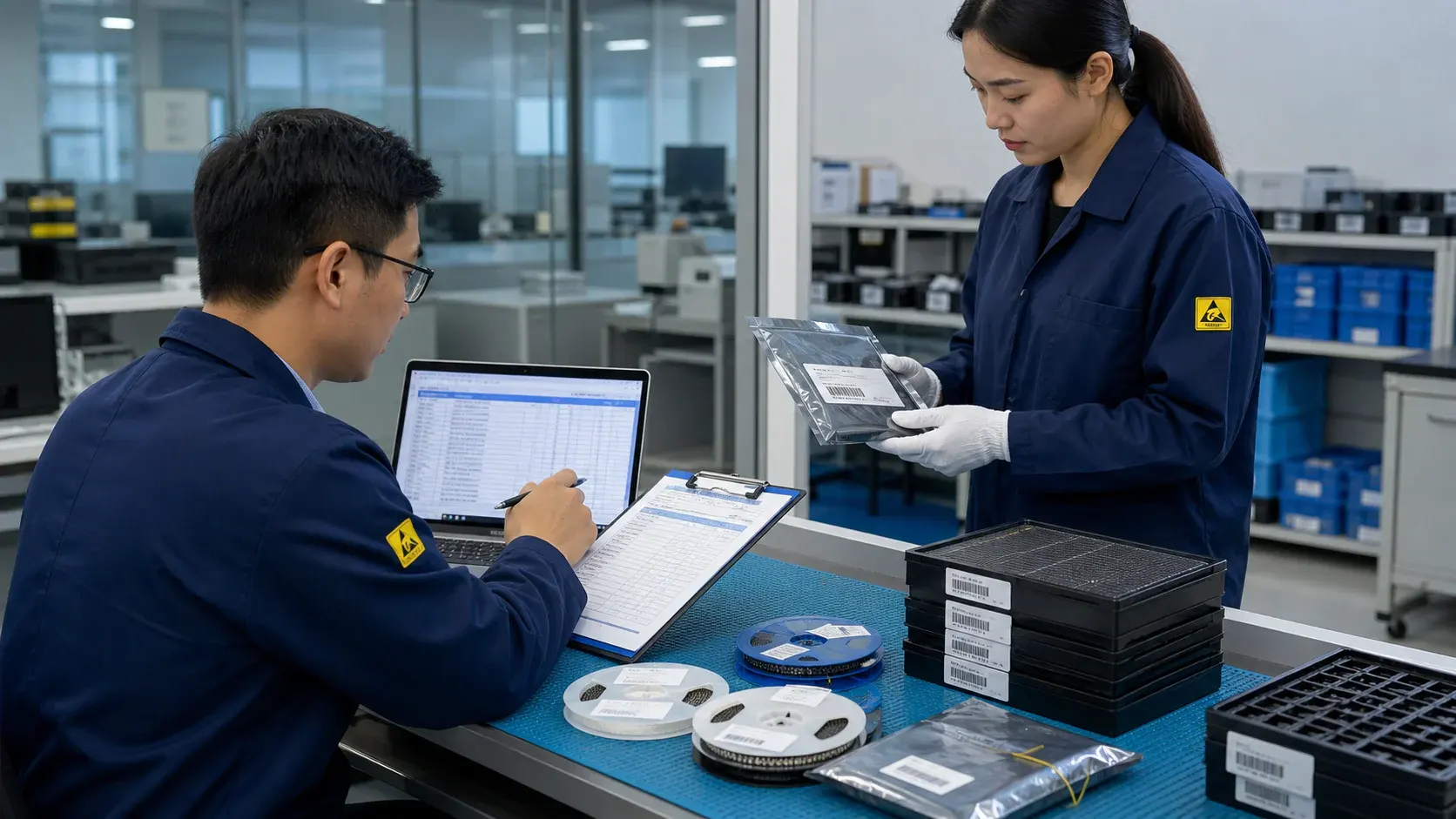
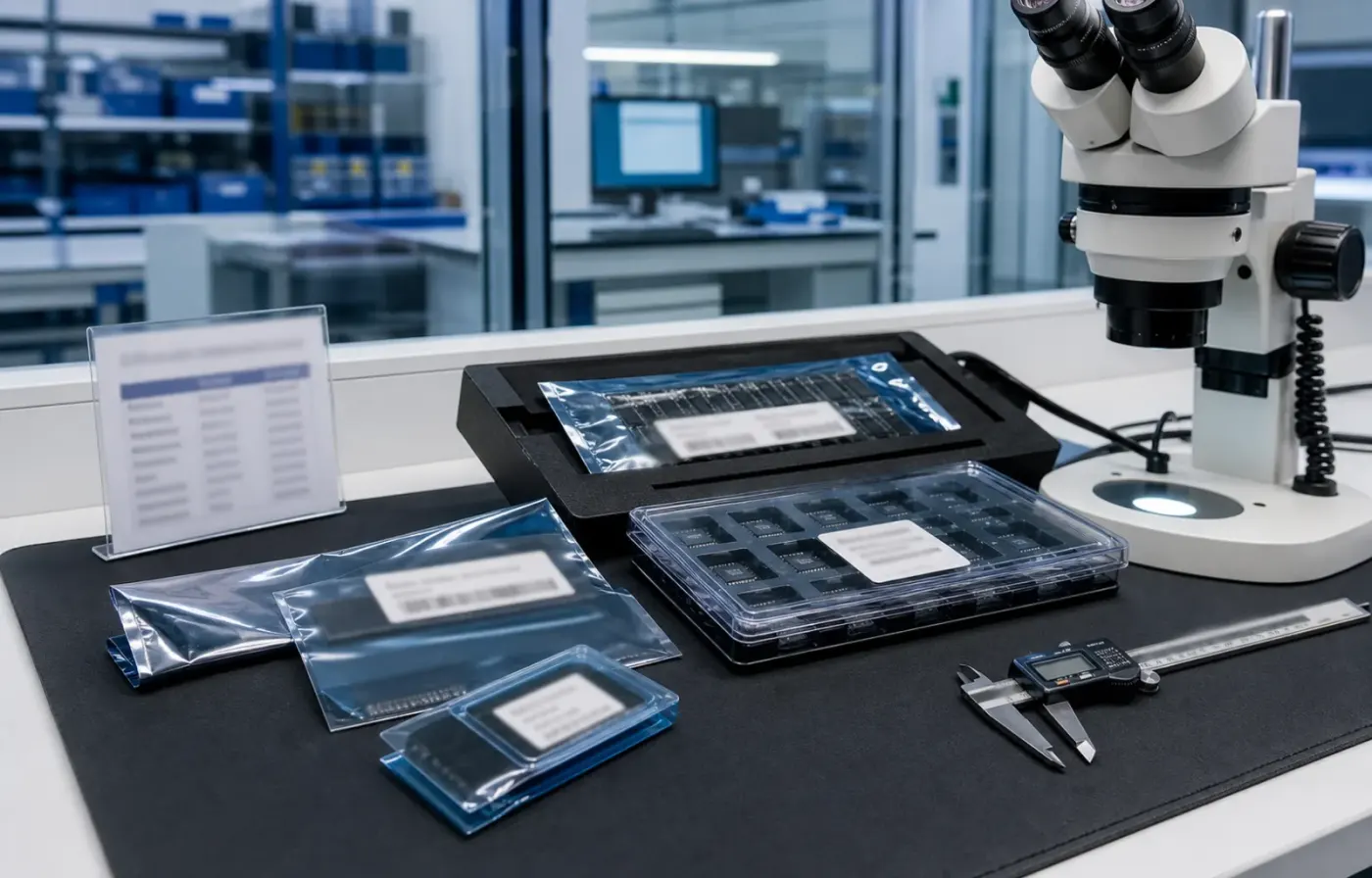
Electronic component model and package intelligence review on an ESD-safe inspection bench

Model & package intelligence

Model text, package form, tray or reel details, and visual evidence are reviewed together before RFQ feedback.

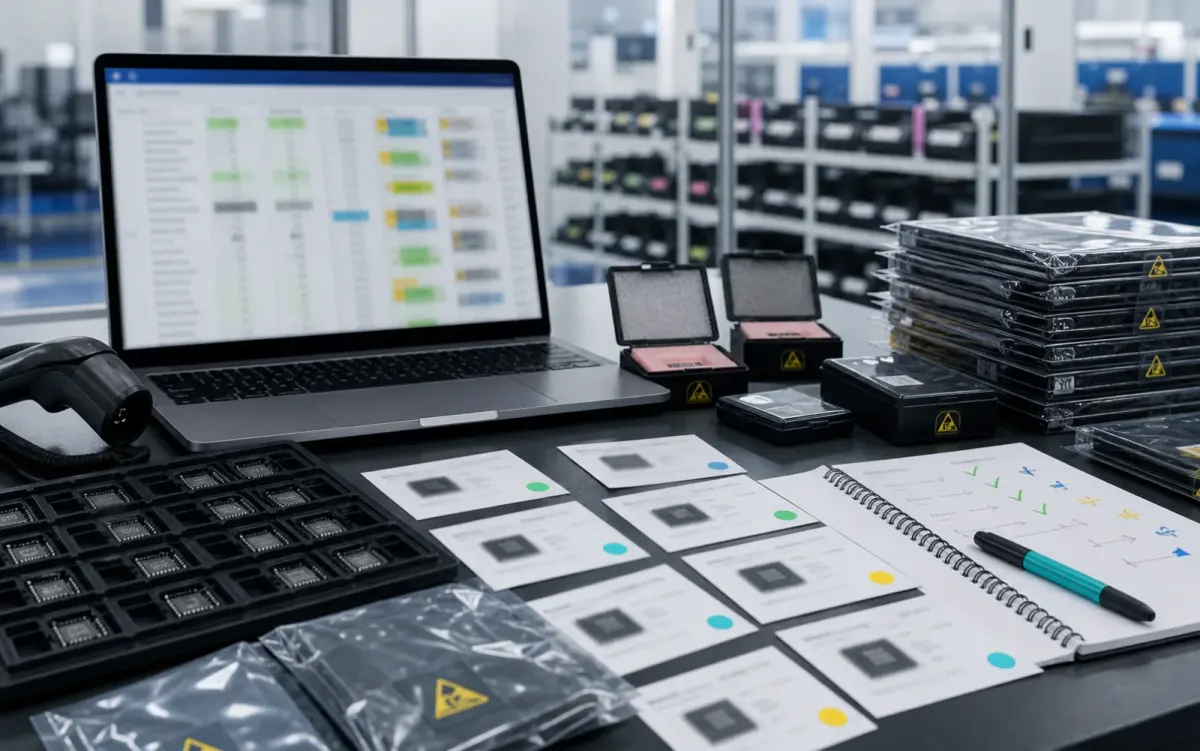
BOM matching and alternative component comparison workstation with protected IC samples

BOM matching & alternatives

BOM lines are compared by package, parameters, quantity, and workable alternatives for cleaner sourcing decisions.
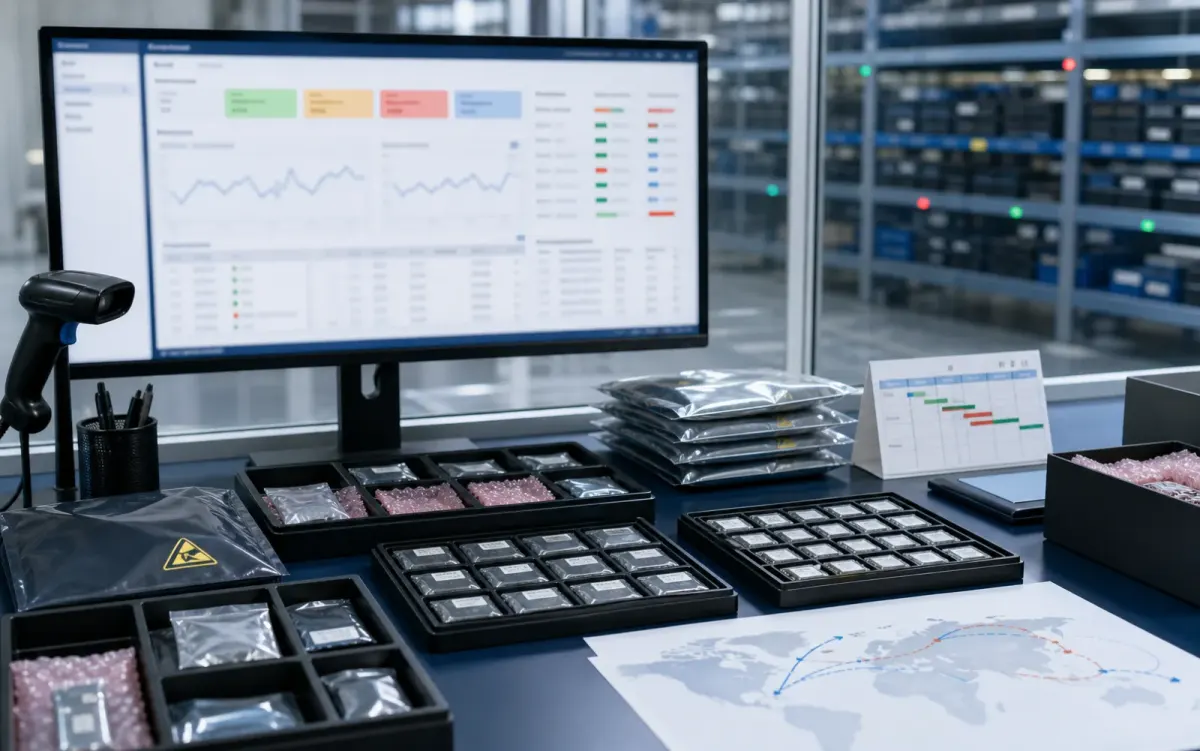
Electronic component sourcing availability dashboard with ESD-protected samples

Sourcing availability signal

Stock routes, quotation confidence, lead-time notes, and shipment feasibility are checked before sales follow-up.

Buyer sourcing scenarios

Examples of how common component sourcing requests are organized.

Typical RFQ scenarios based on the WMSIC form fields, catalog data, manual review steps, and shipment preparation workflow.

The buyer shares the full part number, package requirement, quantity, destination, and available product photos so the quotation can record the exact version under review.

Package confirmation Typical RFQ workflow

A multi-line BOM is organized into direct sourcing lines, lines that need package clarification, and lines where alternative-part review is permitted.

Mixed BOM triage Typical RFQ workflow

The original manufacturer part number, datasheet revision, application, critical limits, and acceptable changes are collected before possible candidates are discussed.

Obsolete-part review Typical RFQ workflow

Sample quantity, minimum packing, package format, target date, and courier destination are kept together in one RFQ conversation.

Small-batch request Typical RFQ workflow

Package photos, model markings, board context, and the quantity needed for repair help focus the sourcing review on the relevant version.

Repair batch evidence Typical RFQ workflow

When a suffix or package note is incomplete, the response records the open difference and requests buyer confirmation before procurement proceeds.

Model suffix clarification Typical RFQ workflow

Packing format, carton notes, invoice details, courier option, destination, and tracking handoff are coordinated around the confirmed order.

Export handoff Typical RFQ workflow

The request connects the previously used model, current demand, package evidence, target timing, and replenishment sourcing route.

Replenishment inquiry Typical RFQ workflow

Related products

Packaged components ready for RFQ.