
Model & package intelligence
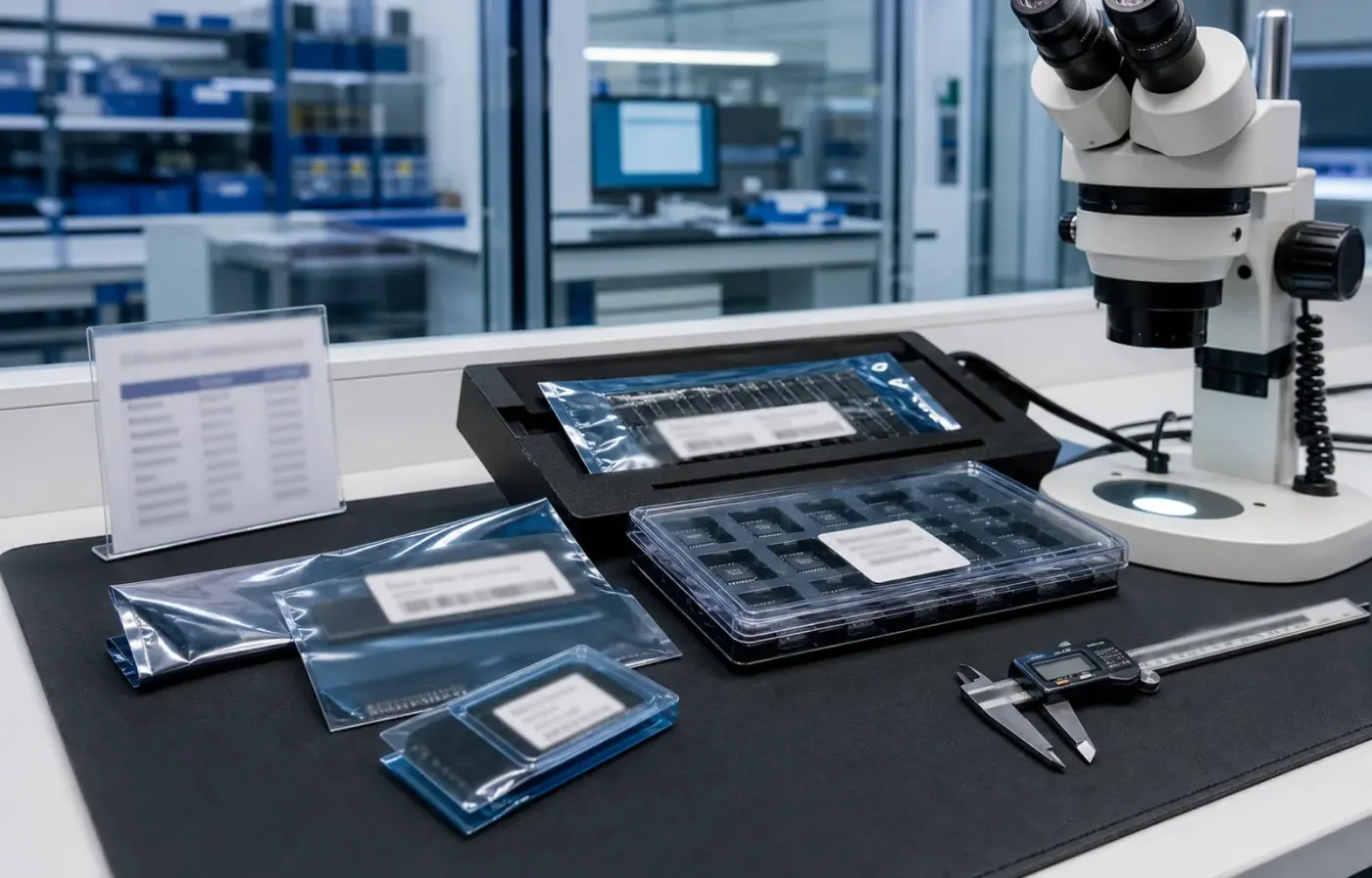
Model text, package form, tray or reel details, and visual evidence are reviewed together before RFQ feedback.
 WMSIC
Electronic Components
WMSIC
Electronic Components
Available for RFQ
Technical data
For datasheets, package documents, compatible-part guidance, or other technical resources, contact WMSIC customer service. Availability is confirmed case by case.
INMP441 Omnidirectional Microphone Module MEMS High Precision Omnidirectional Microphone Sensor Module Compatible with ESP32
INMP441 is a high-performance, low-power, digital output, omnidirectional MEMS microphone with a bottom port. The complete INMP441 solution consists of a MEMS sensor, signal conditioning, analog-to-digital converter, anti aliasing filter, power management, and industry standard 24 bit I ² S interface. The I ² S interface allows the INMP441 to be directly connected to digital processors such as DSP and microcontrollers without the need for audio codecs used in the system. INMP441 has a high signal-to-noise ratio and is an excellent choice for near-field applications. INMP441 has a flat broadband frequency response, resulting in high clarity of natural sound.
Product Features
1. Digital I ² S interface with high-precision 24 bit data
2. High signal-to-noise ratio of 61 dBA
3. High sensitivity -26 dBFS
4. Stable frequency response from 60 Hz to 15 kHz
5. Low power consumption: low current consumption of 1.4 mA
6. High PSR: -75 dBFS
Interface definition:
SCK: Serial Data Clock for I ² S Interface
WS: Serial Data Word Selection for I ² S Interface
L/R: Left/right channel selection.
When set to low level, the microphone outputs a signal in the left channel of the I ² S frame.
When set to high level, the microphone outputs a signal in the right channel
SD: Serial data output of I ² S interface.
VCC: Input power supply, 1.8V to 3.3V
GND: Power Ground
Request for quote
Use the form for single models, category sourcing, and multi-line BOM requirements.

Product sourcing intelligence
WMSIC turns product data, package visuals, BOM context, and sourcing signals into practical RFQ notes for buyers.
Model text, package form, tray or reel details, and visual evidence are reviewed together before RFQ feedback.

BOM lines are compared by package, parameters, quantity, and workable alternatives for cleaner sourcing decisions.

Stock routes, quotation confidence, lead-time notes, and shipment feasibility are checked before sales follow-up.
Buyer sourcing scenarios
Typical RFQ scenarios based on the WMSIC form fields, catalog data, manual review steps, and shipment preparation workflow.
The buyer shares the full part number, package requirement, quantity, destination, and available product photos so the quotation can record the exact version under review.
A multi-line BOM is organized into direct sourcing lines, lines that need package clarification, and lines where alternative-part review is permitted.
The original manufacturer part number, datasheet revision, application, critical limits, and acceptable changes are collected before possible candidates are discussed.
Sample quantity, minimum packing, package format, target date, and courier destination are kept together in one RFQ conversation.
Package photos, model markings, board context, and the quantity needed for repair help focus the sourcing review on the relevant version.
When a suffix or package note is incomplete, the response records the open difference and requests buyer confirmation before procurement proceeds.
Packing format, carton notes, invoice details, courier option, destination, and tracking handoff are coordinated around the confirmed order.
The request connects the previously used model, current demand, package evidence, target timing, and replenishment sourcing route.
Related products


