WMSIC Electronic Components

ESP32C3 PRO MINI development board onboard

ModelESP32C3
Price Price on request Electronic component prices change quickly with market supply and demand. Please refer to the latest WMSIC quotation for current pricing.
Configuration
1 options
Configuration 1pcs

Available for RFQ

Technical data

Product details

6 specifications

Core information

Product name
ESP32C3 PRO MINI development board onboard ESP32-C3FH4 chip module WiFi Bluetooth development board
Type
Electronic Components & Modules

Technical parameters

Type
Voltage Regulator
Origin
Mainland China
Condition
New
High-concerned chemical
none

For datasheets, package documents, compatible-part guidance, or other technical resources, contact WMSIC customer service. Availability is confirmed case by case.

ESP32C3 PRO MINI development board onboard ESP32-C3FH4 chip module WiFi Bluetooth development board
ESP32C3 PRO MINI is an IoT mini development board based on the Espressif ESP32-C3 WiFi/Bluetooth dual-mode chip. ESP32-C3 is a 32-bit RISC-V CPU that includes an FPU (Floating Point Unit) that can perform 32-bit single precision operations and has powerful computing capabilities. It has excellent RF performance and supports IEEE 802.11 b/g/n WiFi and Bluetooth 5 (LE) protocols. This board comes with a ceramic antenna and IPEX antenna mount, which can enhance the signal strength for wireless applications. It also has a compact and exquisite appearance combined with a single-sided surface mount design. It is equipped with rich interfaces, with 11 digital I/O available as PWM pins and 4 analog I/O available as ADC pins. It supports four serial interfaces: UART, I2C, and SPI. There is also a small reset button and a bootloader mode button on the board.
 
Based on the above characteristics, ESP32C3SuperMini is positioned as a high-performance, low-power, and cost-effective IoT mini development board, suitable for low-power IoT applications and wireless wearable applications.


Product parameters
Powerful CPU: ESP32-C3, 32-bit RISC-V single core processor, running at a frequency of up to 160 MHz
WiFi: 802.11b/g/n protocol, 2.4GHz, supports Station mode, SoftAP mode, SoftAP+Station mode, hybrid mode
Bluetooth: Bluetooth 5.0
Ultra low power consumption: Deep sleep power consumption of about 43 μ A
Rich board resources: 400KB SRAM, 384KB ROM with built-in 4Mflash.
Chip model: ESP32C3FN4
Ultra small size: as small as the thumb (22.52x18mm) with a classic appearance, suitable for wearable devices and small projects
Reliable security features: support AES-128/256, hash, RSA, KBC, digital signature, and secure boot encryption hardware accelerator
Rich interfaces: 1xI2C, 1xSPI, 2xUART, 11xGPIO (PWM), 4xADC
Single sided components, surface mount design

Onboard LED blue light: GPO8 pin

Request for quote

Send RFQ

Use the form for single models, category sourcing, and multi-line BOM requirements.

Send your target model and quantity.

Product sourcing intelligence

Model, package, availability, and BOM fit reviewed before quotation.

WMSIC turns product data, package visuals, BOM context, and sourcing signals into practical RFQ notes for buyers.

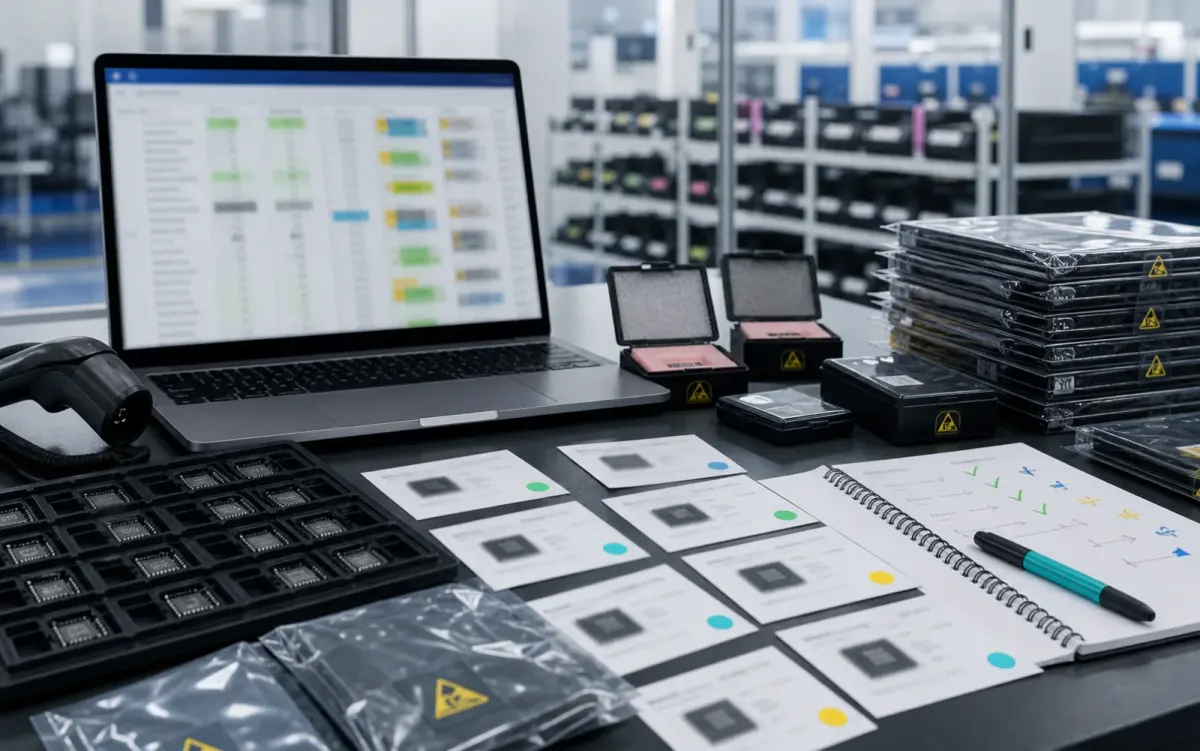
Electronic component model and package intelligence review on an ESD-safe inspection bench

Model & package intelligence

Model text, package form, tray or reel details, and visual evidence are reviewed together before RFQ feedback.

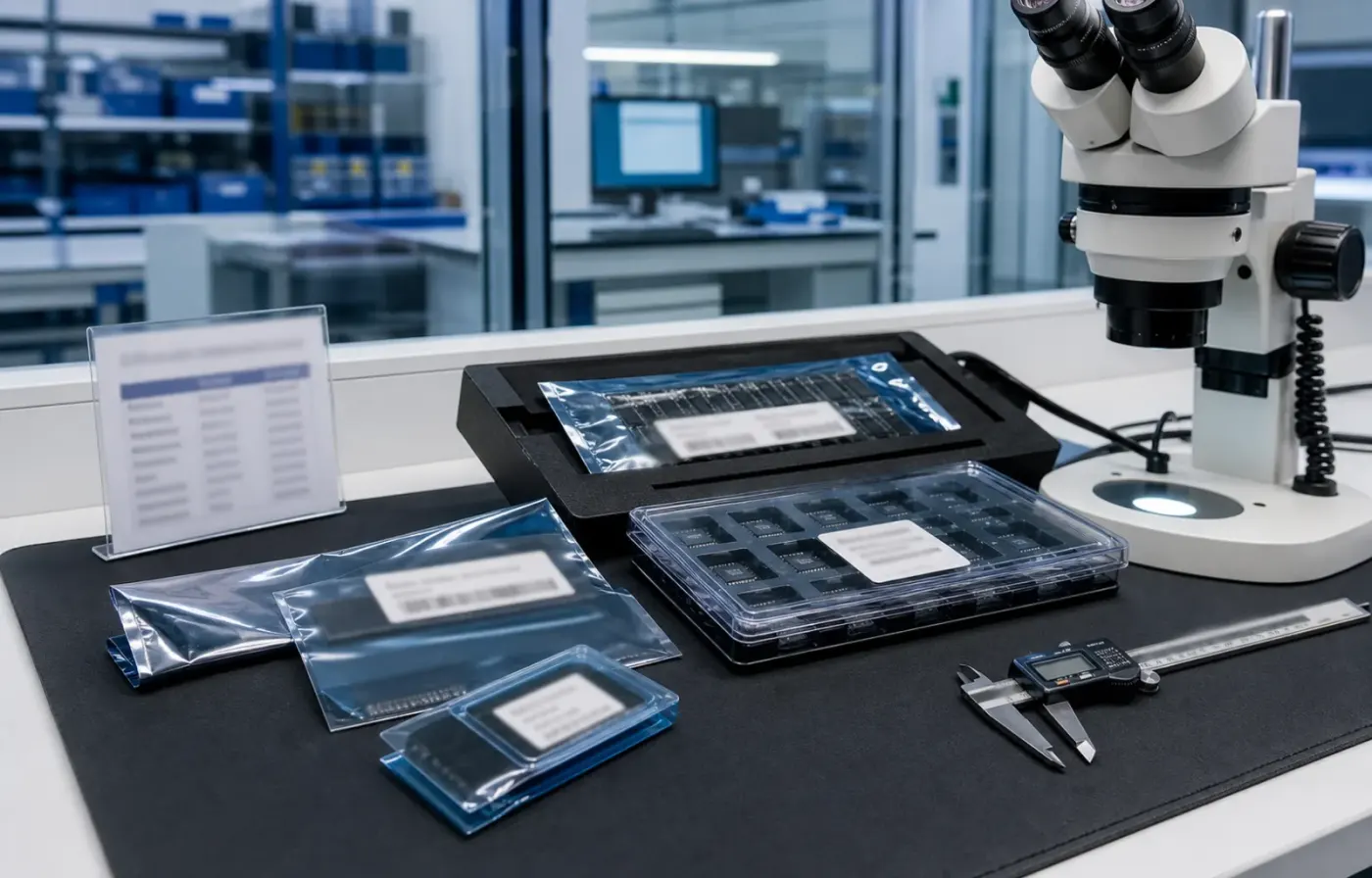
BOM matching and alternative component comparison workstation with protected IC samples

BOM matching & alternatives

BOM lines are compared by package, parameters, quantity, and workable alternatives for cleaner sourcing decisions.
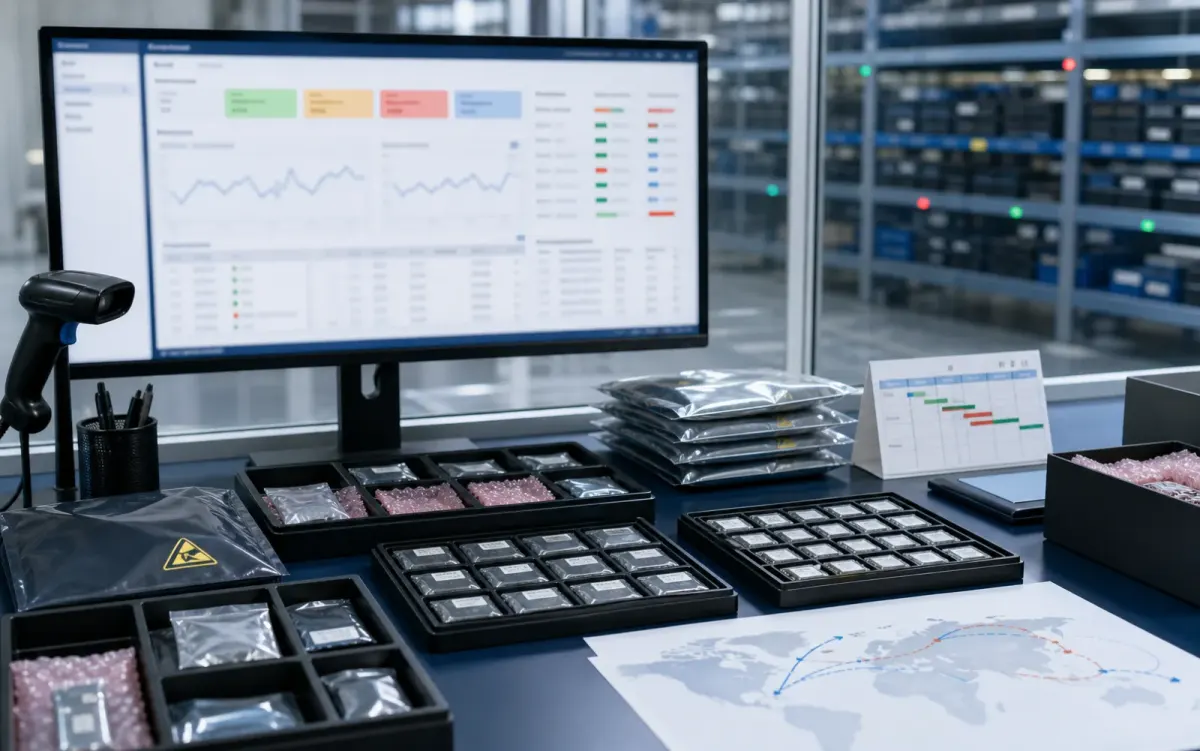
Electronic component sourcing availability dashboard with ESD-protected samples

Sourcing availability signal

Stock routes, quotation confidence, lead-time notes, and shipment feasibility are checked before sales follow-up.

Buyer sourcing scenarios

Examples of how common component sourcing requests are organized.

Typical RFQ scenarios based on the WMSIC form fields, catalog data, manual review steps, and shipment preparation workflow.

The buyer shares the full part number, package requirement, quantity, destination, and available product photos so the quotation can record the exact version under review.

Package confirmation Typical RFQ workflow

A multi-line BOM is organized into direct sourcing lines, lines that need package clarification, and lines where alternative-part review is permitted.

Mixed BOM triage Typical RFQ workflow

The original manufacturer part number, datasheet revision, application, critical limits, and acceptable changes are collected before possible candidates are discussed.

Obsolete-part review Typical RFQ workflow

Sample quantity, minimum packing, package format, target date, and courier destination are kept together in one RFQ conversation.

Small-batch request Typical RFQ workflow

Package photos, model markings, board context, and the quantity needed for repair help focus the sourcing review on the relevant version.

Repair batch evidence Typical RFQ workflow

When a suffix or package note is incomplete, the response records the open difference and requests buyer confirmation before procurement proceeds.

Model suffix clarification Typical RFQ workflow

Packing format, carton notes, invoice details, courier option, destination, and tracking handoff are coordinated around the confirmed order.

Export handoff Typical RFQ workflow

The request connects the previously used model, current demand, package evidence, target timing, and replenishment sourcing route.

Replenishment inquiry Typical RFQ workflow

Related products

Packaged components ready for RFQ.