WMSIC Electronic Components

Brightking BK250-120-SY BK250

ModelBK250-120-SY
PackageDIP
BrandBrightking
Price Price on request Electronic component prices change quickly with market supply and demand. Please refer to the latest WMSIC quotation for current pricing.
Configuration
1 options
Configuration 26+

Available for RFQ

Technical data

Product details

19 specifications

Core information

Product name
Brightking BK250-120-SY
Type
DIP
Minimum package
1000 袋

Technical parameters

Electronic Component
Brightking
Electronic Component
BK250-120-SY
Electronic Component
1
Package
DIP
Electronic Component
Resettable Fuse
Electronic Component
0.291g
Electronic Component
1
Electronic Component
5s
Electronic Component
BM0264215086
Operating Temperature
40℃~+85℃
Voltage Rating(Vmax)
250V
Power(Pd)
1W
Current(Imax)
3A
Electronic Component
1000

For datasheets, package documents, compatible-part guidance, or other technical resources, contact WMSIC customer service. Availability is confirmed case by case.

Brightking BK250-120-SY 自恢复保险丝产品概述

Brightking(台湾君耀)作为专注过流保护器件的厂商,其BK250-120-SY型号自恢复保险丝(PPTC高分子正温度系数热敏电阻)凭借可靠性能与宽适配性,广泛应用于消费电子、工业控制等领域。以下是该产品的详细概述:

一、产品基本信息

BK250-120-SY属于直插式(DIP封装)自恢复保险丝,核心功能是为电路提供过流保护,且故障排除后无需手动复位即可恢复导通。型号标识中:“BK”代表Brightking品牌,“250”对应最大耐压250V,“120”代表常温下保持电流120mA,“SY”为产品系列标识。该器件采用高分子聚合物材料制备,兼具低阻导通与高阻保护的双重特性,是一次性保险丝的理想替代方案。

二、核心参数详解

参数是判断器件适配性的关键,BK250-120-SY的核心参数及实际意义如下:

1. 电压与电流规格

  • 最大耐压(Vmax=250V):可稳定工作在交流220V或直流250V以下电路,覆盖家庭、工业低压系统;
  • 最大电流(Imax=3A):故障状态下(跳闸后)可承受的瞬时最大电流,避免器件因过流损坏;
  • 保持电流(Ihold=120mA):常温(25℃)下器件能持续导通的最大电流,若电路正常工作电流≤120mA,不会误动作;
  • 跳闸电流(Itrip=240mA):常温下触发跳闸的最小电流(约为保持电流的2倍),电流≥240mA时器件会在规定时间内跳断。

2. 阻值与功率特性

  • 初始阻值(Rmin=6Ω):正常导通时的最小电阻,低阻值可减少电路正常工作时的功耗损耗;
  • 跳闸后阻值(R1max=10.5Ω):跳断后的最大电阻,高阻值可将故障电流限制在安全范围(如≤250V/10.5Ω≈23.8mA);
  • 最大功耗(Pd=1W):器件允许的最大持续功耗,正常工作时需≤1W,故障时瞬间功耗不超此值。

3. 动作与环境参数

  • 动作时间(5s):在Itrip(240mA)条件下,从导通到跳断的时间,兼顾“快速保护”与“避免误动作”(如瞬间脉冲电流不会触发);
  • 工作温度(-40℃~+85℃):适配极寒(如车载低温)到高温(如电子设备内部)的宽温度范围,无需额外降额即可满足多数场景。

三、工作原理与核心特性

1. 工作原理

BK250-120-SY基于PPTC材料的温度-电阻特性工作:

  • 正常状态:电流≤120mA时,焦耳热不足以升温,器件呈低阻态(≤6Ω),电流顺利通过;
  • 过流状态:电流≥240mA时,焦耳热使材料快速升温,电阻急剧增大至≥10.5Ω,限制电流至安全值;
  • 恢复状态:故障排除后,器件降温(数秒至数十秒,取决于环境温度),电阻恢复低阻态,无需手动复位。

2. 核心优势

  • 可重复使用:替代一次性保险丝,降低设备维护成本与更换频率;
  • 响应精准:跳闸电流与保持电流比值稳定(2:1),减少误动作风险;
  • 宽温适配:-40℃~+85℃覆盖车载、工业、消费电子等多场景;
  • 安装便捷:DIP直插封装,适配传统PCB焊接工艺,无需特殊工具。

四、典型应用场景

结合参数特性,BK250-120-SY适用于以下场景:

  1. 消费电子:手机充电器输入侧、小型家电(加湿器、台灯)、音频设备(耳机放大器)的过流保护;
  2. 工业控制:小型PLC模块、传感器电路、低压控制线路的过流防护;
  3. 通信设备:路由器、交换机的电源输入、接口电路(如USB、RJ45)保护;
  4. 车载电子:点烟器适配器、车内LED灯、低温环境下的小功率车载设备。

五、选型与使用注意事项

1. 选型要点

  • 确认电路工作电压≤250V,正常工作电流≤120mA;
  • 高温环境(如>85℃)需降额使用(如70℃时Ihold约为100mA,需参考君耀 datasheet);
  • 避免用于脉冲电流过大的场景(如电机启动瞬间脉冲,需结合实际测试)。

2. 使用注意

  • 焊接温度≤260℃,焊接时间≤3s(避免损坏PPTC材料);
  • 安装时避免挤压、弯折引脚(DIP封装引脚易变形,需注意PCB间距);
  • 跳闸后需等待故障排除且器件降温后再恢复(可触摸外壳判断温度);
  • 禁止并联使用(会导致电流分流,无法准确触发跳闸)。

综上,BK250-120-SY是一款性能稳定、适配性强的自恢复保险丝,适合对过流保护有“可重复使用、宽温、低功耗”需求的电路设计。

Request for quote

Send RFQ

Use the form for single models, category sourcing, and multi-line BOM requirements.

Send your target model and quantity.

Product sourcing intelligence

Model, package, availability, and BOM fit reviewed before quotation.

WMSIC turns product data, package visuals, BOM context, and sourcing signals into practical RFQ notes for buyers.

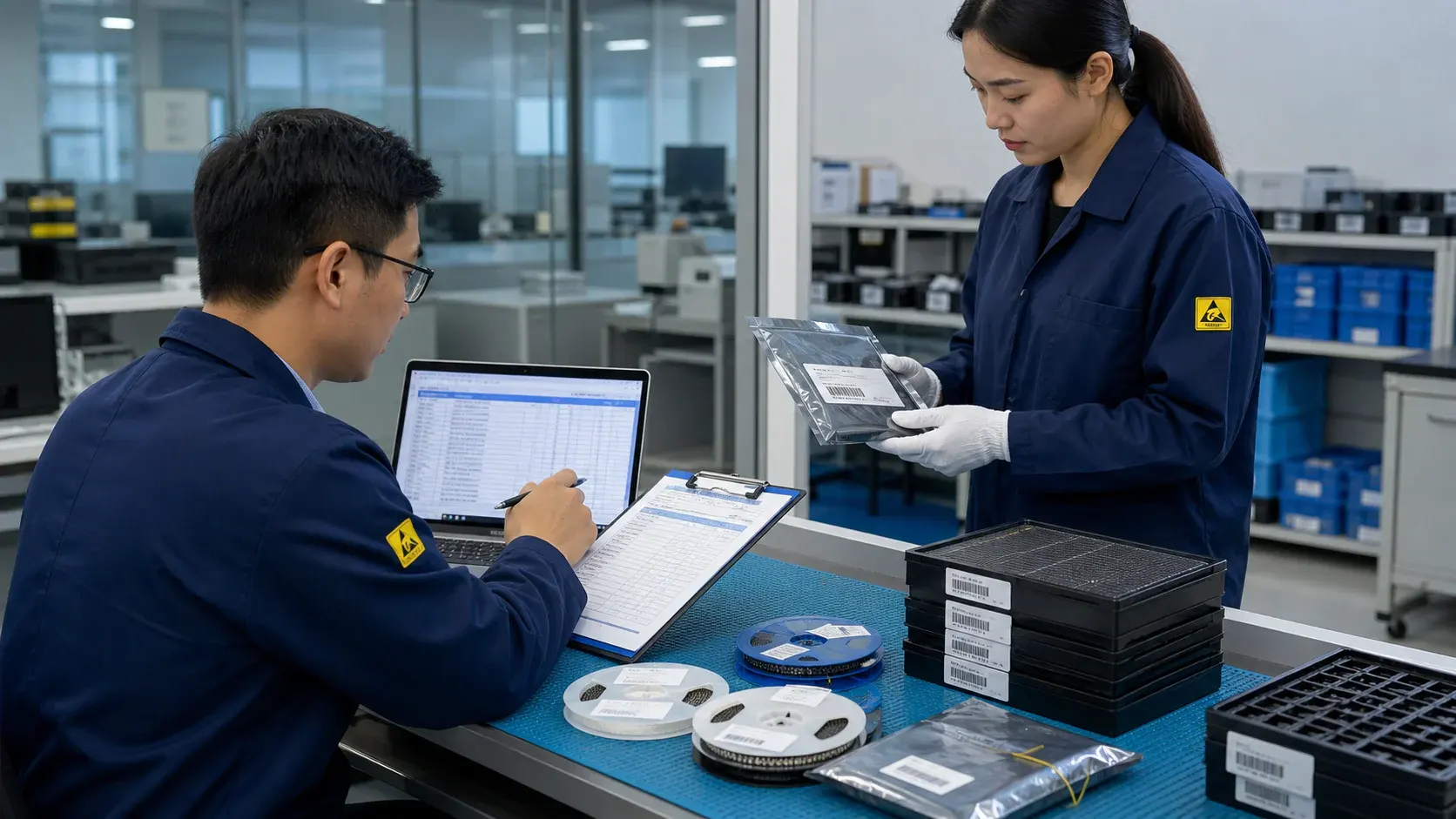
Electronic component model and package intelligence review on an ESD-safe inspection bench

Model & package intelligence

Model text, package form, tray or reel details, and visual evidence are reviewed together before RFQ feedback.

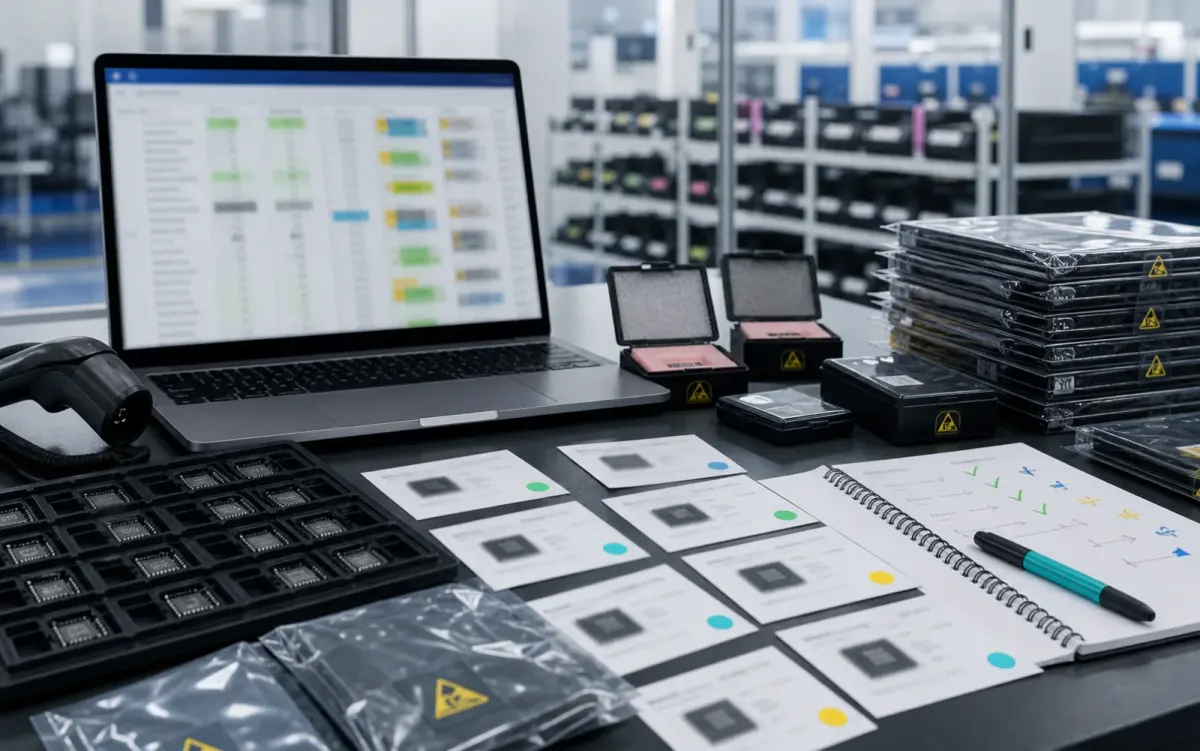
BOM matching and alternative component comparison workstation with protected IC samples

BOM matching & alternatives

BOM lines are compared by package, parameters, quantity, and workable alternatives for cleaner sourcing decisions.
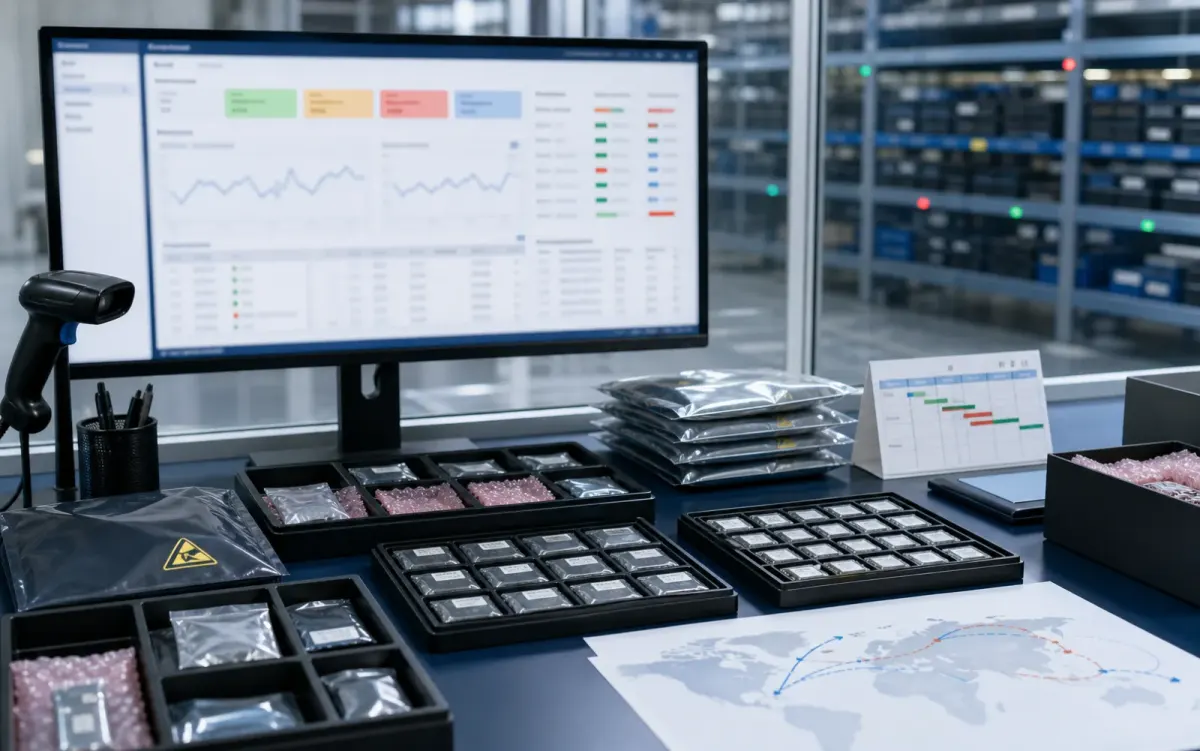
Electronic component sourcing availability dashboard with ESD-protected samples

Sourcing availability signal

Stock routes, quotation confidence, lead-time notes, and shipment feasibility are checked before sales follow-up.

Buyer sourcing scenarios

Examples of how common component sourcing requests are organized.

Typical RFQ scenarios based on the WMSIC form fields, catalog data, manual review steps, and shipment preparation workflow.

The buyer shares the full part number, package requirement, quantity, destination, and available product photos so the quotation can record the exact version under review.

Package confirmation Typical RFQ workflow

A multi-line BOM is organized into direct sourcing lines, lines that need package clarification, and lines where alternative-part review is permitted.

Mixed BOM triage Typical RFQ workflow

The original manufacturer part number, datasheet revision, application, critical limits, and acceptable changes are collected before possible candidates are discussed.

Obsolete-part review Typical RFQ workflow

Sample quantity, minimum packing, package format, target date, and courier destination are kept together in one RFQ conversation.

Small-batch request Typical RFQ workflow

Package photos, model markings, board context, and the quantity needed for repair help focus the sourcing review on the relevant version.

Repair batch evidence Typical RFQ workflow

When a suffix or package note is incomplete, the response records the open difference and requests buyer confirmation before procurement proceeds.

Model suffix clarification Typical RFQ workflow

Packing format, carton notes, invoice details, courier option, destination, and tracking handoff are coordinated around the confirmed order.

Export handoff Typical RFQ workflow

The request connects the previously used model, current demand, package evidence, target timing, and replenishment sourcing route.

Replenishment inquiry Typical RFQ workflow

Related products

Packaged components ready for RFQ.