
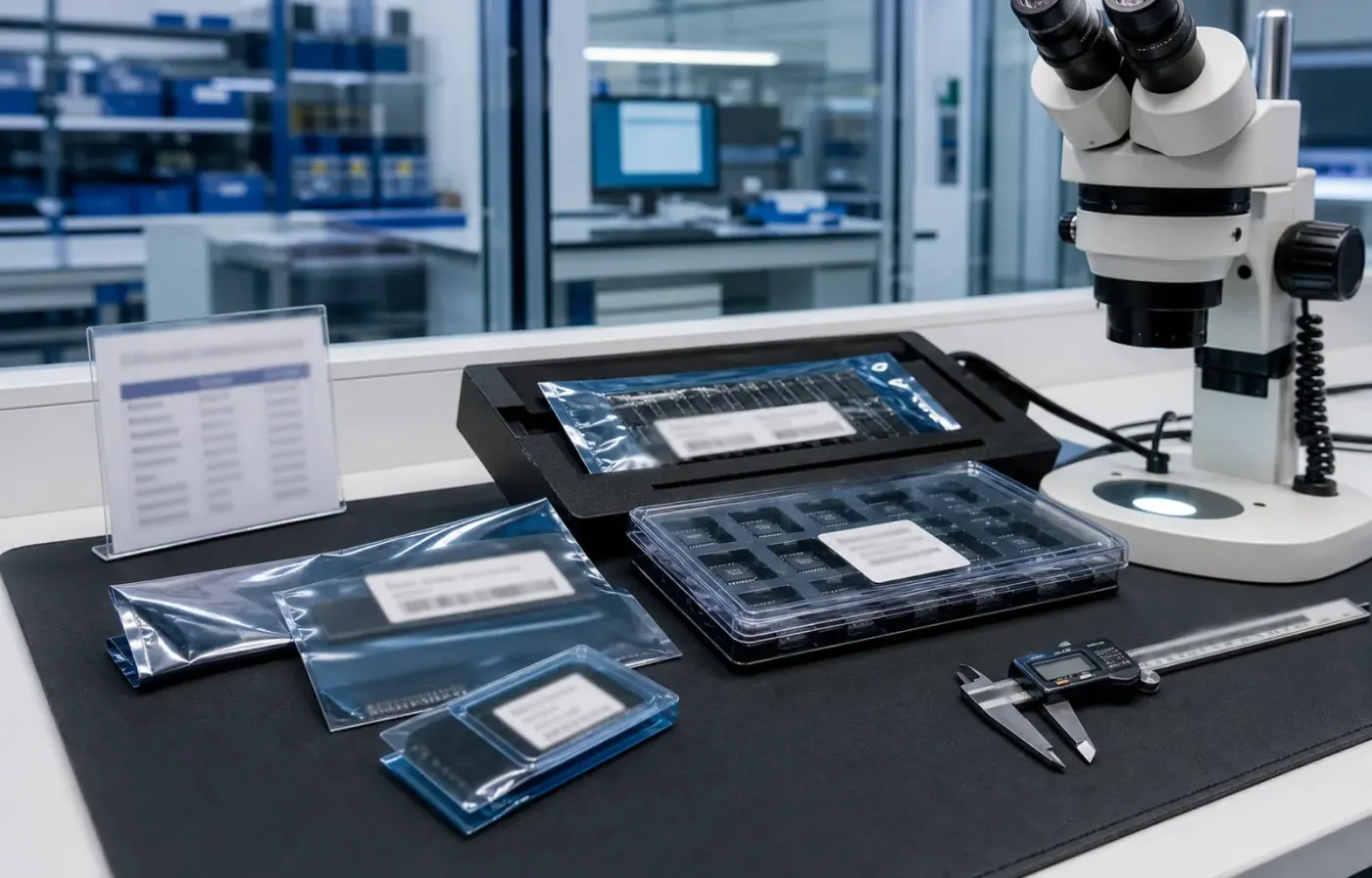
Model & package intelligence
Model text, package form, tray or reel details, and visual evidence are reviewed together before RFQ feedback.
 WMSIC
Electronic Components
WMSIC
Electronic Components
Available for RFQ
Technical data
For datasheets, package documents, compatible-part guidance, or other technical resources, contact WMSIC customer service. Availability is confirmed case by case.
BWGNSCNX15-15W2是一款针对GPS L1频点设计的小型化陶瓷天线,核心聚焦GNSS(全球导航卫星系统)信号的稳定接收与传输,适用于对空间体积、信号抗干扰性有严格要求的终端设备。其设计目标是在超小封装内实现高效信号捕获,满足车载、无人机、户外手持等场景的精准定位需求。
中心频率精准匹配GPS L1民用频点(1.57542GHz),10MHz带宽覆盖L1信号的有效传输范围(含GPS L1C/A码信号带宽2.046MHz),可稳定捕获卫星信号,避免多径干扰。
3dBi增益在陶瓷天线中处于较高水平,能有效提升弱信号环境下的接收灵敏度(如城市高楼、隧道内);50Ω阻抗与主流射频系统完全匹配,减少信号反射损耗,保障传输效率。
最大承受功率50W,满足部分需要伪卫星发射或高功率接收的应用场景;驻波比(VSWR)≤1.8,远低于射频系统常用的2.0阈值,意味着射频能量反射率低,信号传输更稳定。
15mm×15mm×2mm的超小型化设计,为终端设备集成预留充足空间,尤其适合手持机、无人机机身等狭小空间。
采用高稳定性陶瓷材料作为天线基体,相比塑料天线具有更低介质损耗、更好抗老化性能,长期户外使用后信号性能衰减极小;陶瓷材质的抗冲击性也优于普通塑料,适合手持终端等易碰撞场景。
采用15×15mm插件封装,便于手工或自动化焊接安装,无需复杂贴片工艺,降低终端生产难度与成本;插件式结构也便于后期维护更换。
2mm的高度让天线可轻松内置在车载中控、无人机机身、智能手表等设备内,不影响整体外观与便携性。
-40℃至+80℃的温度区间,覆盖全球90%以上地区的户外环境(如北方冬季-30℃低温、南方夏季40℃高温),同时适应车载场景中车内/车外的温度波动(如停车后车内高温)。
陶瓷基体具有抗紫外线、抗轻微腐蚀特性,适合长期户外暴露使用(如车顶安装、野外测绘终端),无需额外防护即可保持稳定性能。
小型化设计可隐藏安装于车顶或中控,宽温适应车内温度波动,3dBi增益提升城市弱信号区域的定位精度,支持车道级导航需求。
超小体积减轻无人机负载(仅约2g左右,可估算),宽温适应高空-20℃低温环境,稳定接收GNSS信号保障飞行安全,避免“信号丢失坠机”风险。
便携设计搭配抗摔陶瓷材质,适合野外勘探、测绘、登山等场景;弱信号下仍能快速定位,支持长距离徒步的轨迹记录。
稳定性能与宽温范围,适合工厂、仓库等复杂环境的资产跟踪(如叉车、货架),定位误差可控制在1-2m内,满足工业级需求。
BWGNSCNX15-15W2陶瓷天线以“小型化、高性能、宽适应”为核心优势,精准匹配GPS L1频点需求,覆盖车载、无人机、户外手持等多领域,是终端设备集成GNSS定位功能的高性价比解决方案。其陶瓷基体的稳定性与插件式封装的易用性,也让它成为工业级与消费级设备的优选天线之一。
Request for quote
Use the form for single models, category sourcing, and multi-line BOM requirements.
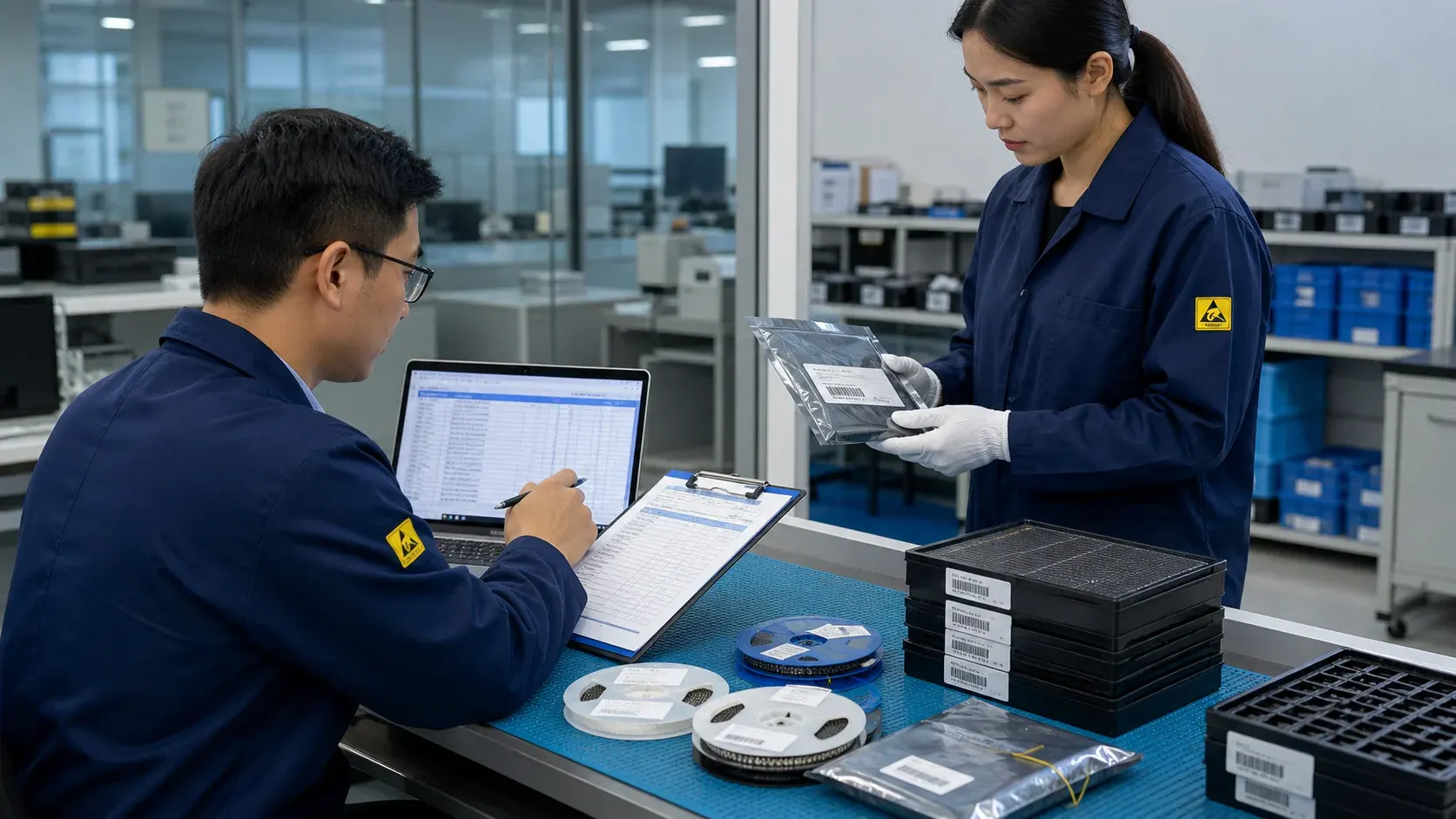
Product sourcing intelligence
WMSIC turns product data, package visuals, BOM context, and sourcing signals into practical RFQ notes for buyers.
Model text, package form, tray or reel details, and visual evidence are reviewed together before RFQ feedback.
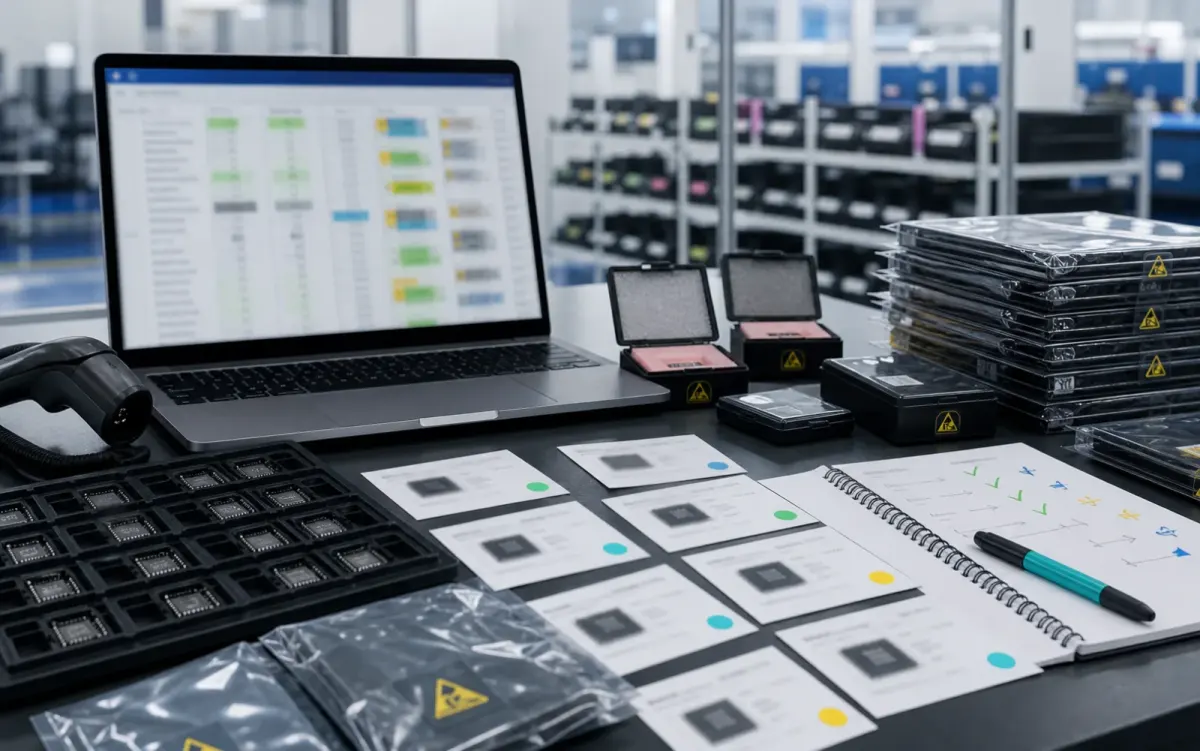
BOM lines are compared by package, parameters, quantity, and workable alternatives for cleaner sourcing decisions.
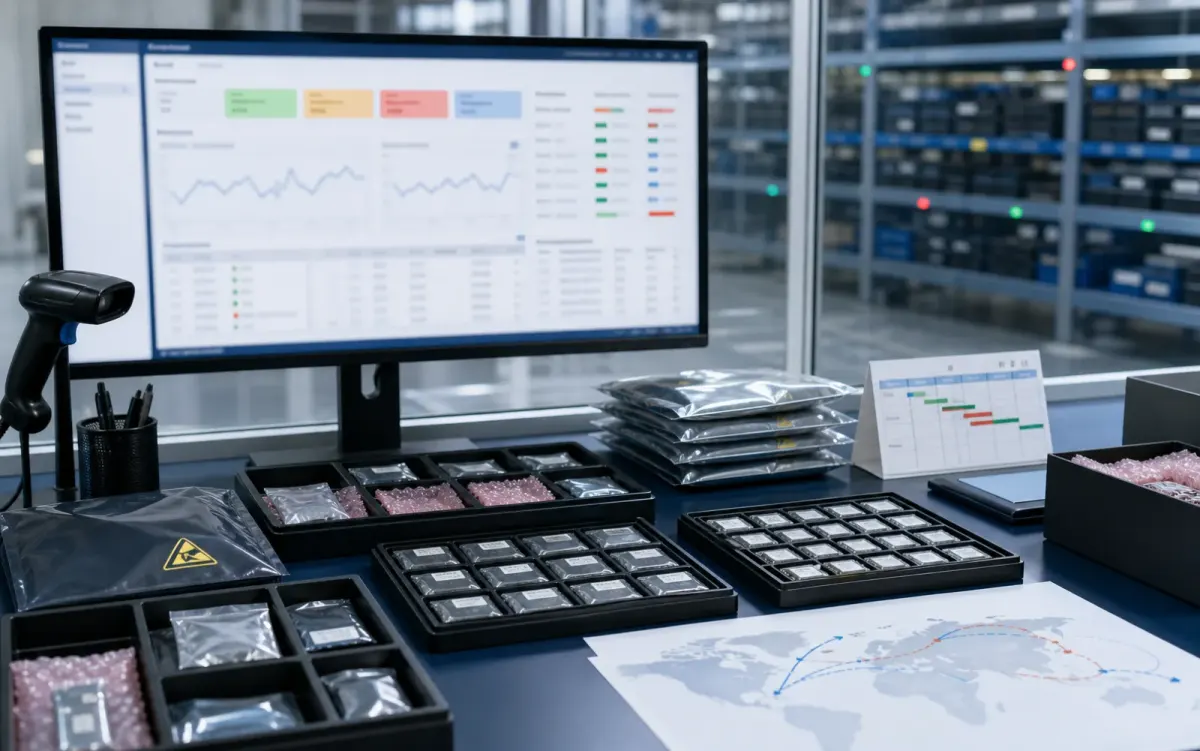
Stock routes, quotation confidence, lead-time notes, and shipment feasibility are checked before sales follow-up.
Buyer sourcing scenarios
Typical RFQ scenarios based on the WMSIC form fields, catalog data, manual review steps, and shipment preparation workflow.
The buyer shares the full part number, package requirement, quantity, destination, and available product photos so the quotation can record the exact version under review.
A multi-line BOM is organized into direct sourcing lines, lines that need package clarification, and lines where alternative-part review is permitted.
The original manufacturer part number, datasheet revision, application, critical limits, and acceptable changes are collected before possible candidates are discussed.
Sample quantity, minimum packing, package format, target date, and courier destination are kept together in one RFQ conversation.
Package photos, model markings, board context, and the quantity needed for repair help focus the sourcing review on the relevant version.
When a suffix or package note is incomplete, the response records the open difference and requests buyer confirmation before procurement proceeds.
Packing format, carton notes, invoice details, courier option, destination, and tracking handoff are coordinated around the confirmed order.
The request connects the previously used model, current demand, package evidence, target timing, and replenishment sourcing route.
Related products


