WMSIC Electronic Components

Jingdao Microelectronics SD103AW

ModelSD103AW
PackageSOD-123W
BrandElectronic
Price Price on request Electronic component prices change quickly with market supply and demand. Please refer to the latest WMSIC quotation for current pricing.
Configuration
1 options
Configuration 25+

Available for RFQ

Technical data

Product details

19 specifications

Core information

Product name
Electronic SD103AW
Type
Jingdao Microelectronics
Minimum package
3000 圆盘

Technical parameters

Electronic Component
Electronic
Electronic Component
SD103AW
Electronic Component
1
Package
SOD-123W
Electronic Component
Schottky Diode
Electronic Component
0.035g
Electronic Component
1
Electronic Component
BM0265390938
Current
350mA
Diode
1
Current(Ir)
5uA@30V
(Vf)
600mV@200mA
Electronic Component
3000
Voltage Rating(Vr)
40V

For datasheets, package documents, compatible-part guidance, or other technical resources, contact WMSIC customer service. Availability is confirmed case by case.

SD103AW肖特基二极管产品概述

一、产品基本信息

SD103AW是晶导微电子推出的低压小功率肖特基势垒二极管,采用SOD-123表面贴装封装,定位为低电压场景下的整流、续流核心器件。该型号以紧凑尺寸、低损耗特性适配便携式设备、小型家电等高密度PCB布局需求,是国产替代中性能稳定的选型之一。

二、核心电性能参数

SD103AW的关键参数明确且经过优化,核心指标如下:

  • 正向压降(Vf):200mA正向电流下典型值为600mV,比传统硅二极管(0.7V以上)低100mV左右,可显著降低导通损耗;
  • 直流反向耐压(Vr):额定值40V,满足多数低压直流电路的反向耐压需求(如5V/12V电源系统);
  • 连续整流电流(If):直流连续工作电流350mA,适配小功率电源转换、信号钳位等场景;
  • 反向漏电流(Ir):30V反向电压下典型值仅5μA,低漏电流特性可减少待机功耗,适合电池供电设备;
  • 非重复浪涌电流(Ifsm):最大承受13A(8.3ms脉冲),能应对电路启动、瞬间脉冲带来的电流冲击,提升电路可靠性。

三、封装与物理特性

采用SOD-123标准封装,具有以下适配性:

  • 尺寸紧凑:封装尺寸符合行业规范(约2.4×1.6×1.0mm),可节省PCB空间,适配便携式设备的小型化设计;
  • 贴装便捷:表面贴装结构支持自动化贴片生产,提高量产效率;
  • 散热适配:肖特基二极管本身热损耗低,配合合理PCB布线(如增加焊盘散热)可满足小功率场景的散热需求,无需额外散热片。

四、典型应用场景

SD103AW凭借低损耗、小尺寸特性,广泛应用于以下领域:

  1. 消费电子:手机、平板、智能穿戴的USB充电电路(整流/续流)、耳机接口ESD保护辅助;
  2. 小型家电:加湿器、智能台灯、空气净化器的低压电源转换模块;
  3. LED驱动:低压LED灯带、小型LED照明的整流环节(如5V供电的LED串);
  4. 汽车电子:车载低压辅助电路(如点烟器转换、小功率传感器供电)的续流保护;
  5. 信号电路:低频信号的钳位、静电防护辅助电路(配合稳压管使用)。

五、产品优势与特点

  1. 低导通损耗:600mV正向压降可降低电路效率损耗,尤其适合电池供电设备延长续航;
  2. 低待机功耗:5μA反向漏电流减少待机状态电能浪费,符合低功耗设计要求;
  3. 抗浪涌能力:13A非重复浪涌可抵御瞬间电流冲击,避免电路因启动脉冲损坏;
  4. 小型化适配:SOD-123封装满足便携式设备的轻量化、高密度布局需求;
  5. 品牌可靠性:晶导微电子作为国内半导体厂商,产品一致性好,可提供稳定的批量供货与性能保障。

六、应用注意事项

  1. 电压限制:反向电压不得超过额定40V,避免击穿损坏;
  2. 浪涌限制:非重复浪涌电流不得超过13A,且不可重复施加,需配合保险丝等保护措施;
  3. 温度范围:工作温度通常为-55℃至125℃(具体以官方 datasheet 为准),避免长期在极端温度下工作;
  4. 焊接参数:回流焊温度≤260℃(持续≤10秒),手工焊接温度≤350℃(持续≤3秒),防止封装变形或内部结构损坏。

该型号可作为传统肖特基二极管(如1N5817系列)的小功率替代选型,尤其适合对尺寸、功耗敏感的低压场景。

Request for quote

Send RFQ

Use the form for single models, category sourcing, and multi-line BOM requirements.

Send your target model and quantity.

Product sourcing intelligence

Model, package, availability, and BOM fit reviewed before quotation.

WMSIC turns product data, package visuals, BOM context, and sourcing signals into practical RFQ notes for buyers.

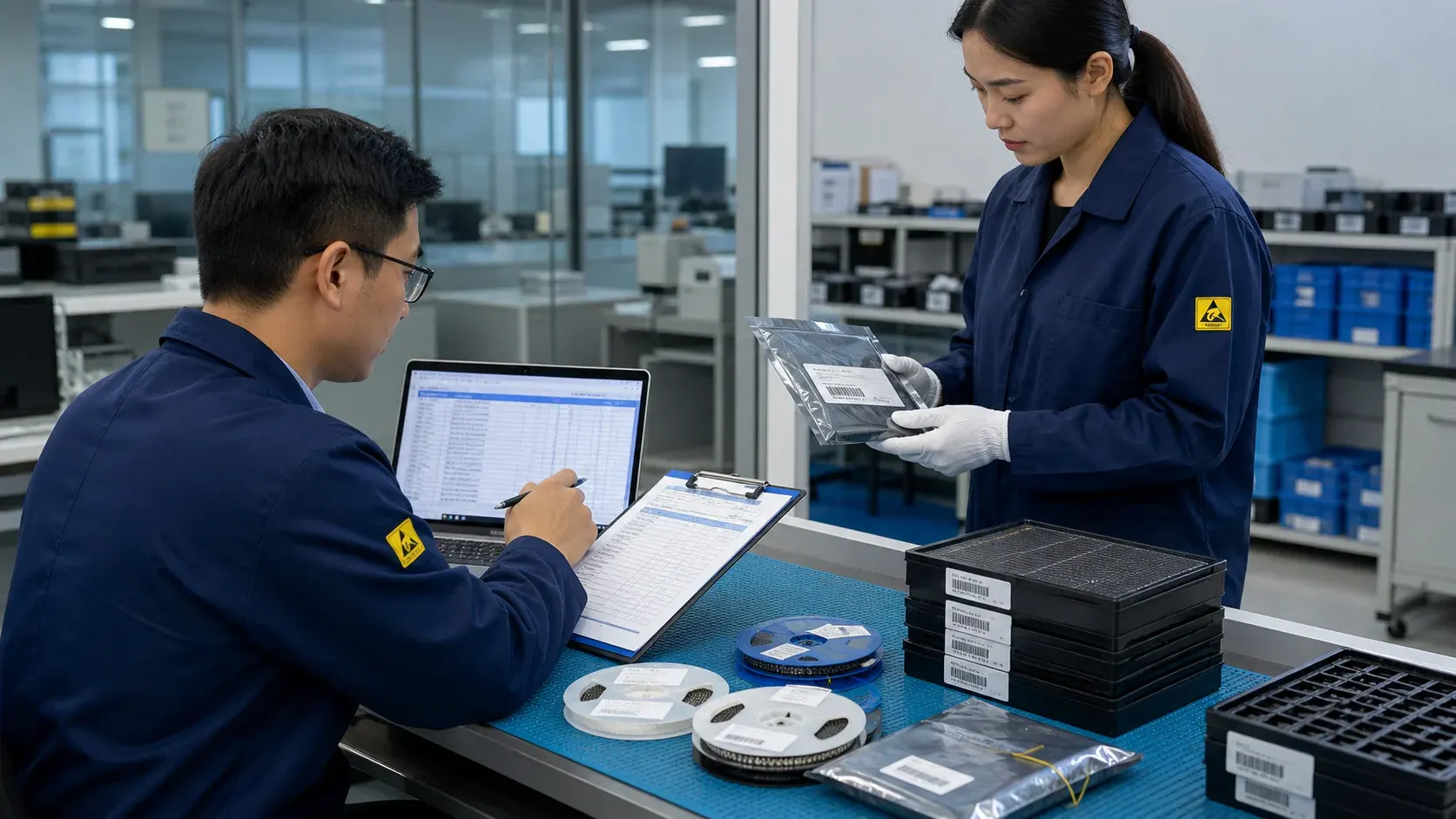
Electronic component model and package intelligence review on an ESD-safe inspection bench

Model & package intelligence

Model text, package form, tray or reel details, and visual evidence are reviewed together before RFQ feedback.

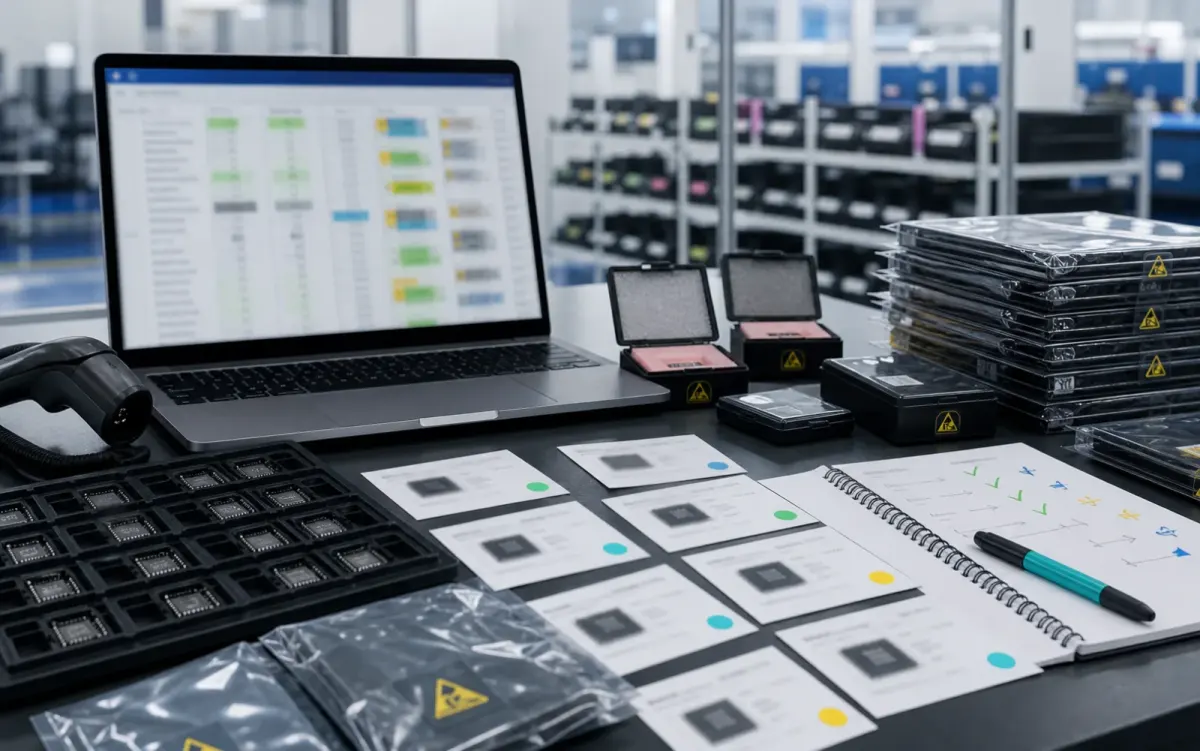
BOM matching and alternative component comparison workstation with protected IC samples

BOM matching & alternatives

BOM lines are compared by package, parameters, quantity, and workable alternatives for cleaner sourcing decisions.
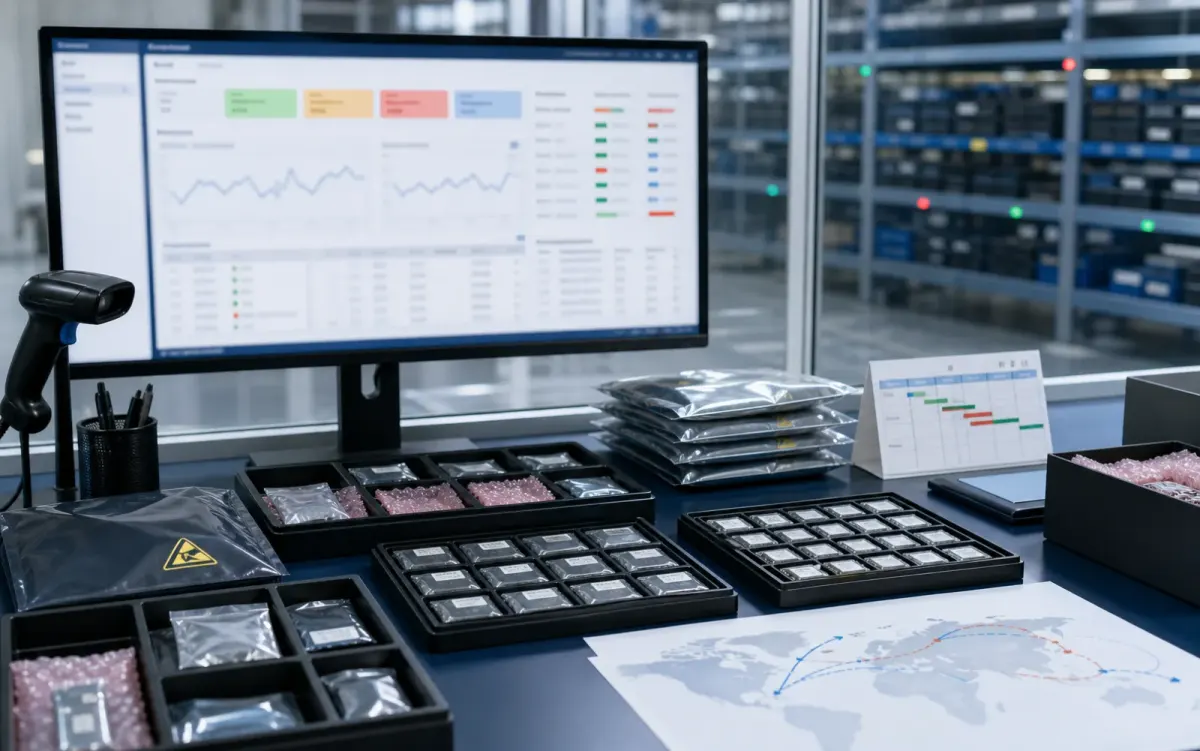
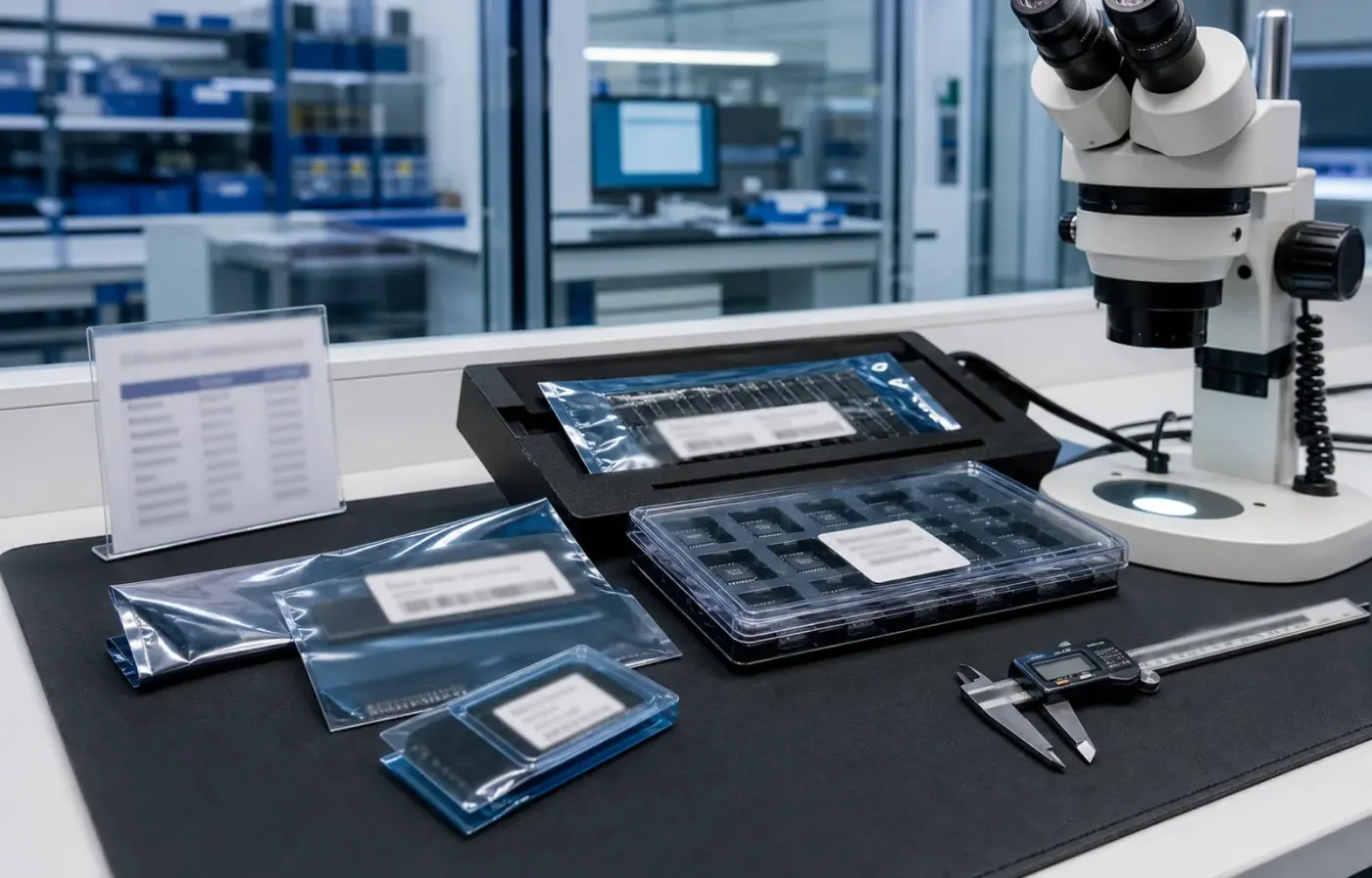
Electronic component sourcing availability dashboard with ESD-protected samples

Sourcing availability signal

Stock routes, quotation confidence, lead-time notes, and shipment feasibility are checked before sales follow-up.

Buyer sourcing scenarios

Examples of how common component sourcing requests are organized.

Typical RFQ scenarios based on the WMSIC form fields, catalog data, manual review steps, and shipment preparation workflow.

The buyer shares the full part number, package requirement, quantity, destination, and available product photos so the quotation can record the exact version under review.

Package confirmation Typical RFQ workflow

A multi-line BOM is organized into direct sourcing lines, lines that need package clarification, and lines where alternative-part review is permitted.

Mixed BOM triage Typical RFQ workflow

The original manufacturer part number, datasheet revision, application, critical limits, and acceptable changes are collected before possible candidates are discussed.

Obsolete-part review Typical RFQ workflow

Sample quantity, minimum packing, package format, target date, and courier destination are kept together in one RFQ conversation.

Small-batch request Typical RFQ workflow

Package photos, model markings, board context, and the quantity needed for repair help focus the sourcing review on the relevant version.

Repair batch evidence Typical RFQ workflow

When a suffix or package note is incomplete, the response records the open difference and requests buyer confirmation before procurement proceeds.

Model suffix clarification Typical RFQ workflow

Packing format, carton notes, invoice details, courier option, destination, and tracking handoff are coordinated around the confirmed order.

Export handoff Typical RFQ workflow

The request connects the previously used model, current demand, package evidence, target timing, and replenishment sourcing route.

Replenishment inquiry Typical RFQ workflow

Related products

Packaged components ready for RFQ.