Model & package intelligence
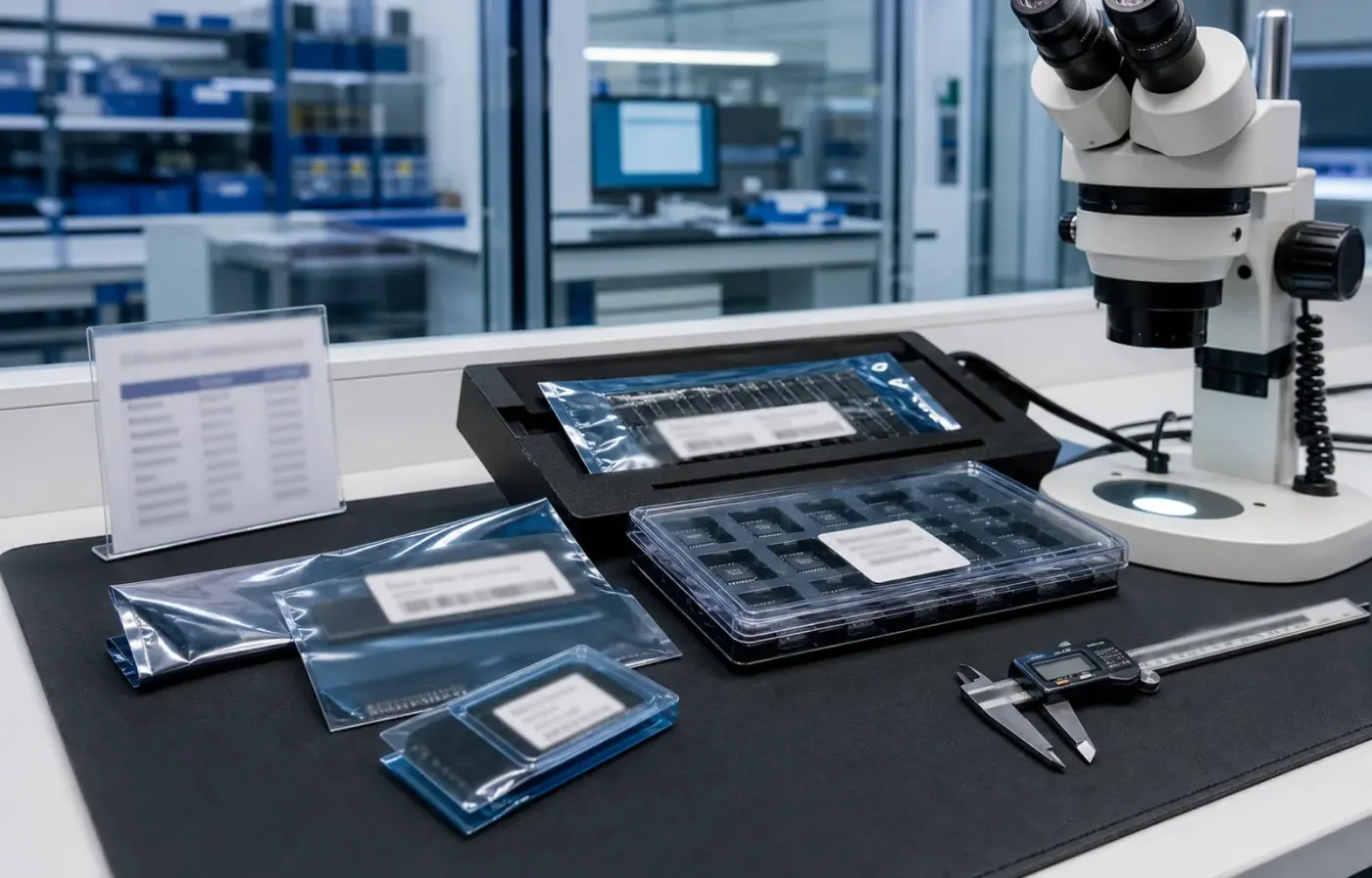
Model text, package form, tray or reel details, and visual evidence are reviewed together before RFQ feedback.
 WMSIC
Electronic Components
WMSIC
Electronic Components
Available for RFQ
Technical data
For datasheets, package documents, compatible-part guidance, or other technical resources, contact WMSIC customer service. Availability is confirmed case by case.
ATMEGA168PA-AU 产品概述
ATMEGA168PA-AU 是微芯科技(Microchip Technology Inc.)旗下的一款高性能 8 位单片机,广泛应用于各类嵌入式系统设计。作为基于 AVR 内核架构的 MCU,它具备优秀的处理能力、丰富的外设接口和广泛的应用场景,适用于需要低功耗和高效率的项目,例如家用电器、工业控制及物联网设备。
基本参数
ATMEGA168PA-AU 的 I/O 数为 23,具备多模式多功能的设计,可以根据应用需求灵活配置。供电电压范围广泛,从 1.8V 到 5.5V,使得该芯片能够在不同电源条件下稳定工作。其卓越的工作温度范围为 -40°C 至 85°C,非常适合在极端环境中运行。
在性能方面,ATMEGA168PA-AU 支持的最大时钟频率为 20MHz,可以满足大多数实时任务的处理需求。其内置 16KB 的闪存程序存储器(8K x 16),能够存储复杂的应用程序,并配备 1KB 的 SRAM 和 512 x 8 的 EEPROM,以满足数据存储的需求。为了支持高精度的模拟信号处理,该芯片还内置了 8 通道的 10 位模拟转换器(A/D)。
外设集成
ATMEGA168PA-AU 配备了一系列丰富的外设,支持欠压检测、复位功能、看门狗定时器(WDT)、脉宽调制(PWM)等。这些外设可大大简化系统设计,使开发者能够专注于应用逻辑,而无需过多担心硬件层面的问题。
该 MCU 还具备多种通信接口,包括 I²C、SPI 和 UART/USART,方便与其他设备进行高效的数据交换。这样的多样化通讯能力使得 ATMEGA168PA-AU 在与传感器、执行器以及其他单片机连接时表现尤为出色,能够很好地区分多种驱动需求。
封装与安装
ATMEGA168PA-AU 采用 LQFP-32(7x7mm)表面贴装封装,设计小巧,适合现代紧凑型电子设计。这种形式的封装便于自动化生产,并为开发者节省了 PCB 空间,为各种便携式和嵌入式应用提供了解决方案。
应用领域
由于其丰富的特性和出色的性能,ATMEGA168PA-AU 被广泛应用于各类领域。常见的应用包括智能家居设备、汽车电子、工业控制系统、消费类电子产品以及物联网(IoT)解决方案。它可以用于信号采集、过程控制、数据处理等场合,因其低功耗特性,适合电池供电的设备,为用户提供了贴心的便捷体验。
此外,由于 ATMEGA168PA-AU 的积极支持 AVR 开发生态系统,开发者可以通过丰富的开发工具和库,如 Atmel Studio、AVR-GCC 等,快速便捷地进行软件开发,提高开发效率,缩短产品上市时间。
总结
ATMEGA168PA-AU 是一款功能强大、性能卓越的 8 位单片机,兼备多种外设和丰富的通信接口,适合于各种嵌入式应用。其广泛的工作电压范围和温度稳定性,使得它在多个应用场景中表现出色,成为开发者的重要选项。无论是在产品设计还是在技术研发上,ATMEGA168PA-AU 都能为用户提供可靠的解决方案,助力智能产品的创新与发展。
Request for quote
Use the form for single models, category sourcing, and multi-line BOM requirements.
Product sourcing intelligence
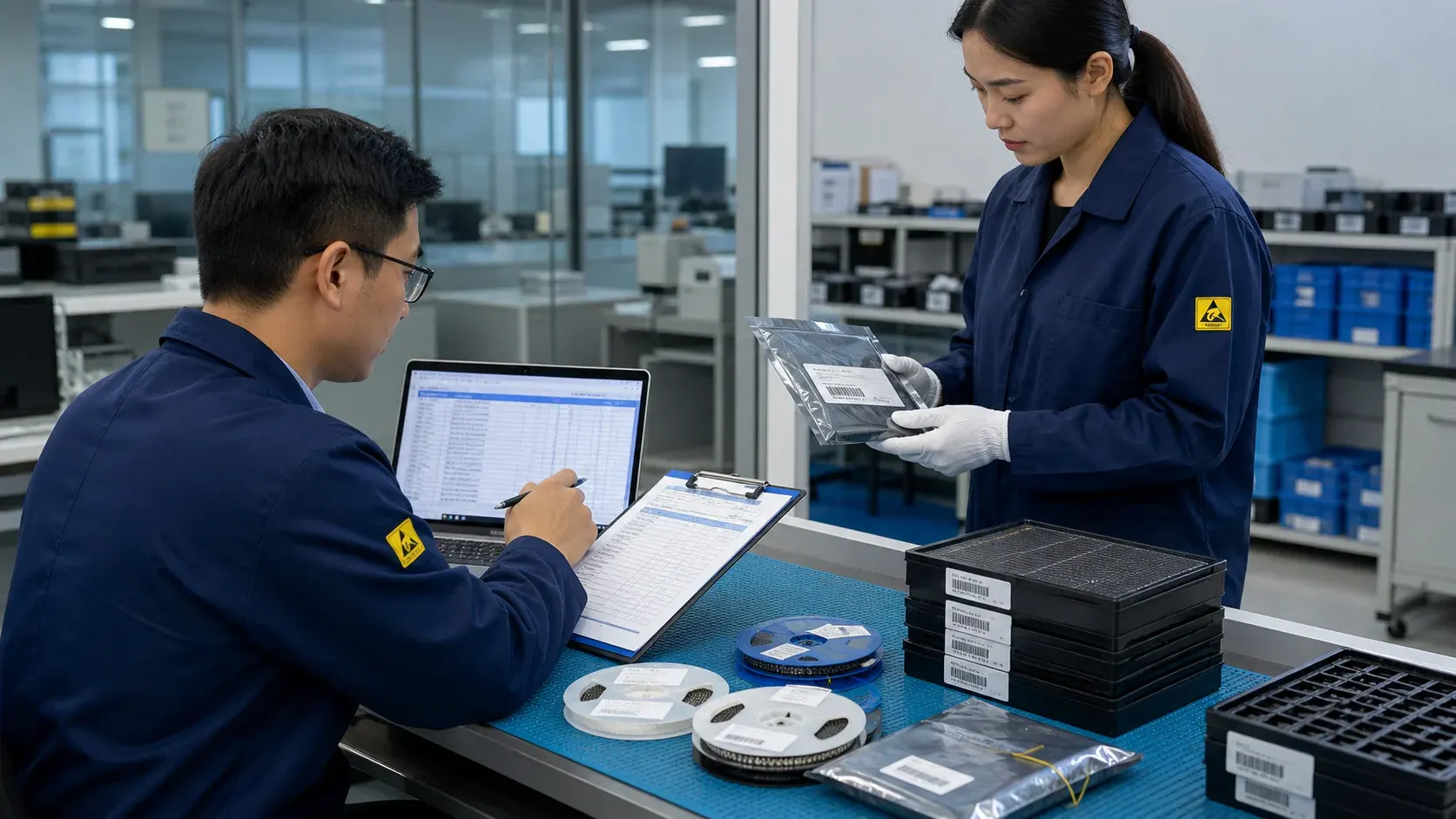
WMSIC turns product data, package visuals, BOM context, and sourcing signals into practical RFQ notes for buyers.
Model text, package form, tray or reel details, and visual evidence are reviewed together before RFQ feedback.
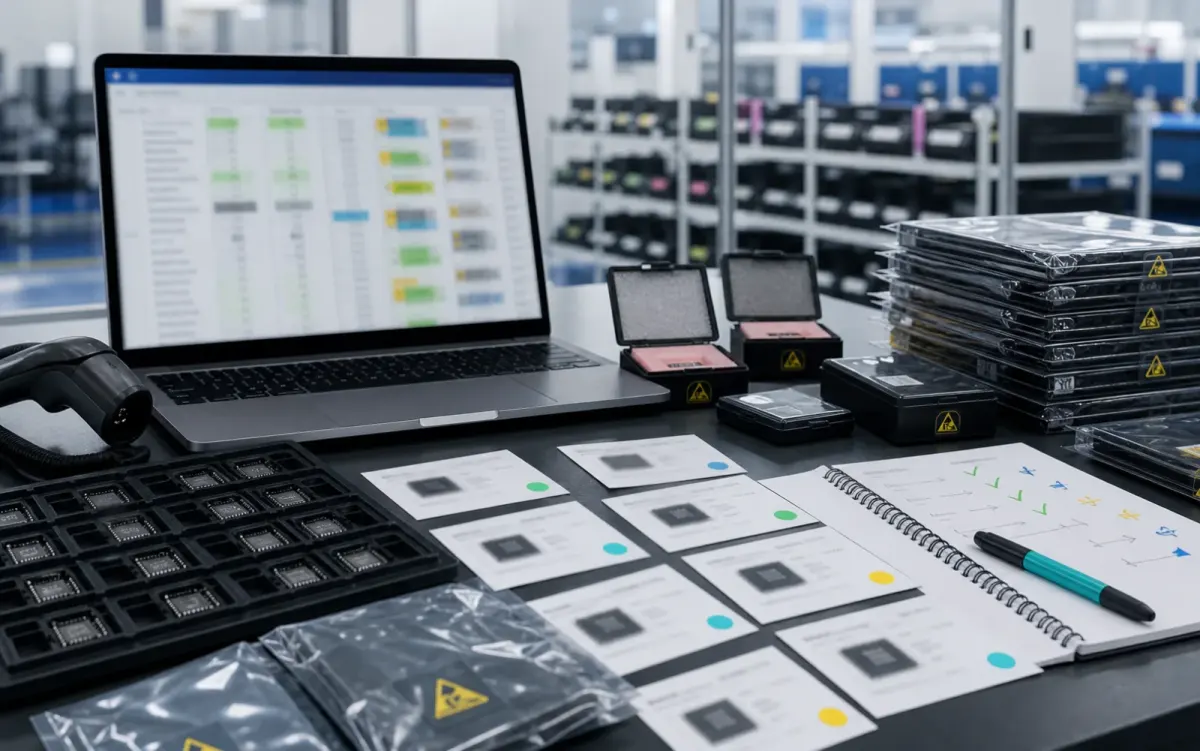
BOM lines are compared by package, parameters, quantity, and workable alternatives for cleaner sourcing decisions.
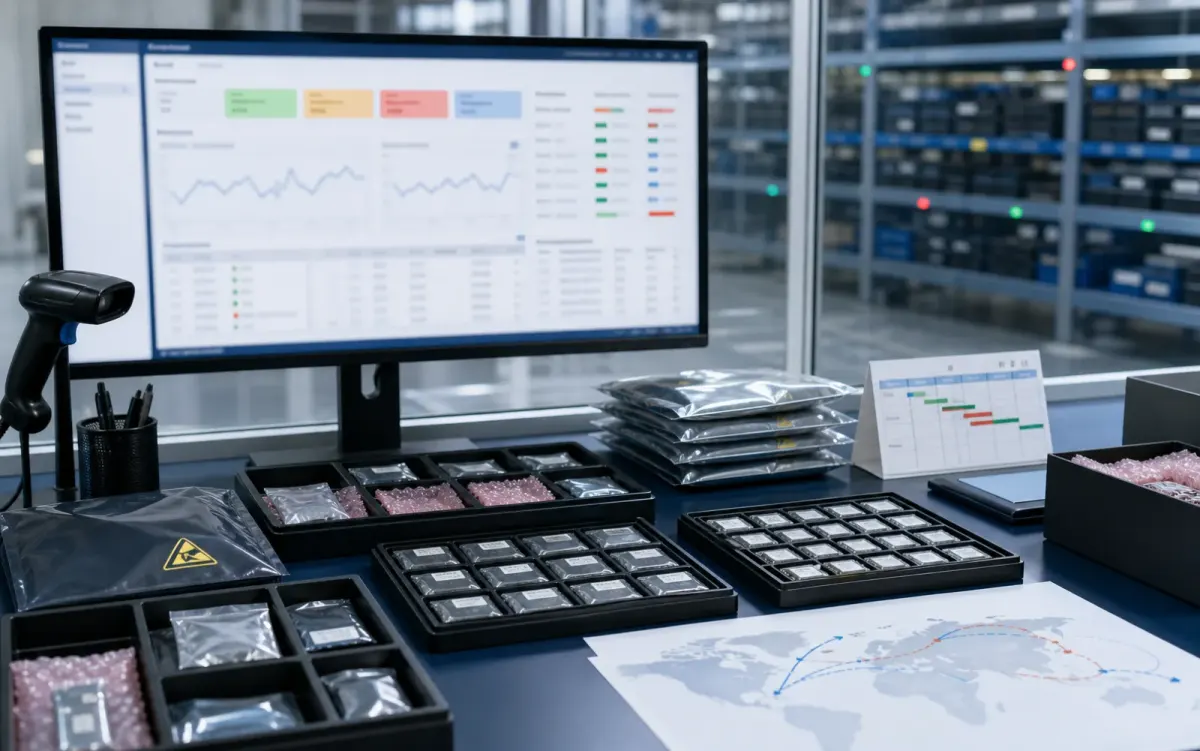
Stock routes, quotation confidence, lead-time notes, and shipment feasibility are checked before sales follow-up.
Buyer sourcing scenarios
Typical RFQ scenarios based on the WMSIC form fields, catalog data, manual review steps, and shipment preparation workflow.
The buyer shares the full part number, package requirement, quantity, destination, and available product photos so the quotation can record the exact version under review.
A multi-line BOM is organized into direct sourcing lines, lines that need package clarification, and lines where alternative-part review is permitted.
The original manufacturer part number, datasheet revision, application, critical limits, and acceptable changes are collected before possible candidates are discussed.
Sample quantity, minimum packing, package format, target date, and courier destination are kept together in one RFQ conversation.
Package photos, model markings, board context, and the quantity needed for repair help focus the sourcing review on the relevant version.
When a suffix or package note is incomplete, the response records the open difference and requests buyer confirmation before procurement proceeds.
Packing format, carton notes, invoice details, courier option, destination, and tracking handoff are coordinated around the confirmed order.
The request connects the previously used model, current demand, package evidence, target timing, and replenishment sourcing route.
Related products


