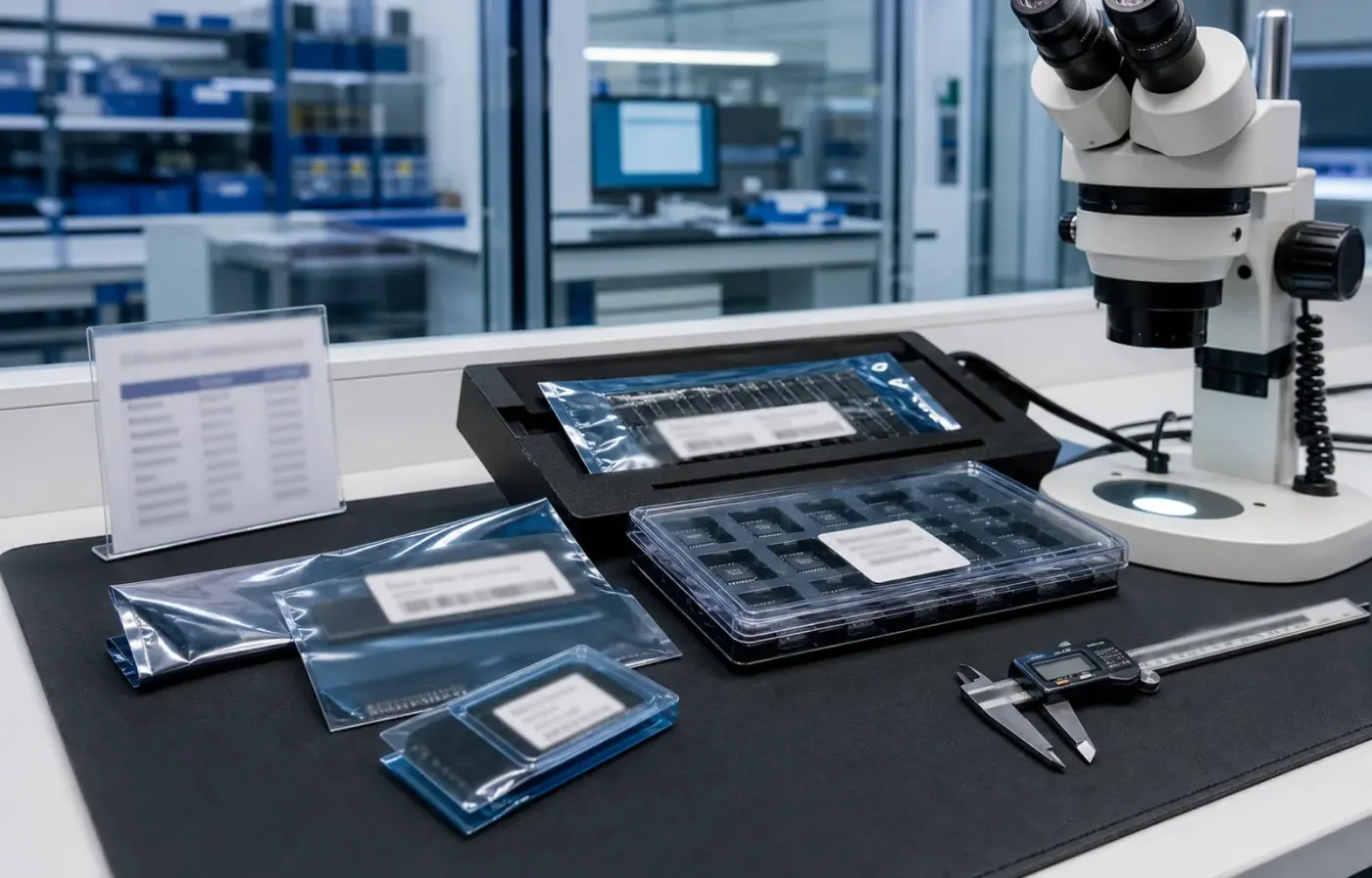
Model & package intelligence
Model text, package form, tray or reel details, and visual evidence are reviewed together before RFQ feedback.
 WMSIC
Electronic Components
WMSIC
Electronic Components
Available for RFQ
Technical data
For datasheets, package documents, compatible-part guidance, or other technical resources, contact WMSIC customer service. Availability is confirmed case by case.
Viking(光颉)ARG03FTC4302是一款针对精密信号电路设计的0603封装薄膜贴片电阻,核心聚焦“小体积、高精度、宽温稳定”三大特性。区别于普通碳膜/厚膜电阻,其薄膜工艺带来更低温度系数与噪声,适配工业控制、汽车电子等对稳定性要求高的场景;0603小封装则满足高密度PCB设计需求,同时100mW功率覆盖大多数小信号电路的功率需求,是替代传统插件电阻、优化电路布局的理想选择。
43kΩ阻值属于E96标准系列(精密电阻常用阻值体系),±1%的精度等级可确保电路中分压、限流等功能的准确性——例如在传感器信号放大电路中,该电阻与运算放大器配合的反馈网络,能将微弱信号精准放大至后续ADC可识别范围,误差远小于±5%精度电阻的10倍以上。
额定功率100mW,额定工作电压75V。需注意功率与电压的匹配关系:实际功率P=U²/R,若工作电压为75V,理论功率达129mW(略超100mW),因此实际使用中需结合电路实际电压/电流,确保功率不超过额定值(如5V电压下,功率仅约580μW,远低于上限)。
±25ppm/℃的温度系数是其核心优势——当工作温度从-55℃变化至155℃(温差210℃),阻值变化仅约0.525%,仍在±1%精度范围内,可稳定应对高低温环境(如汽车发动机舱、工业现场的昼夜温差)。
0603封装(英制,对应公制1608mm),体积小巧(长1.6mm×宽0.8mm),适配高密度PCB设计;采用薄膜溅射工艺+激光修调,保证阻值精度的同时,降低电阻噪声(比厚膜电阻低10-20dB),适合射频、精密测量等对噪声敏感的场景。
符合IPC-J-STD-020标准,焊接温度(回流焊260℃/10秒)、耐湿等级(MIL-STD-202方法106)满足工业级要求;引脚采用镀锡工艺,焊接兼容性好,不易出现虚焊、假焊。
区别于厚膜电阻的丝网印刷工艺,薄膜电阻通过真空溅射将镍铬/钌系合金沉积在陶瓷基底上,阻值稳定性更高、温漂更小;激光修调可将阻值精度控制在±1%以内,且长期漂移率低(通常<50ppm/年),适合长期稳定工作的电路。
传感器信号调理(如压力、温度传感器的放大/滤波)、PLC输入输出模块的限流电阻——宽温范围可适应车间高低温环境,高精度确保信号采集准确。
车载传感器(如胎压监测、氧传感器)的信号处理电路、车载娱乐系统的电源分压——满足汽车级工作温度(-40℃~125℃)要求,可靠性高。
射频前端的小信号匹配、基站电源监控电路——低噪声特性不影响射频信号质量,小封装适配基站高密度PCB。
精密测量设备(如血糖检测仪、心电图机)的信号放大——高精度与低漂移确保测量结果准确,符合医疗设备的精度要求。
实际使用中需计算电路的最大电压/电流,确保P=I²R或P=U²/R不超过100mW(如避免在75V高压下长期工作,建议最大工作电压不超过65V)。
0603封装体积小,焊接时需控制回流焊温度与时间(建议260℃/5-10秒),避免热损伤导致阻值漂移;手工焊接需使用细烙铁头,焊接时间<3秒。
未使用的电阻需存储在常温(25±5℃)、干燥(相对湿度<60%)环境中,避免受潮影响焊接性能。
若需更高精度(如±0.1%),可通过万用表校准,但ARG03FTC4302的±1%精度已满足大多数精密场景需求,无需额外校准。
该电阻凭借高稳定性、小体积与宽温适应性,成为精密电子电路中替代传统电阻的优选方案,尤其适合对精度、可靠性要求苛刻的工业与汽车领域。
Request for quote
Use the form for single models, category sourcing, and multi-line BOM requirements.
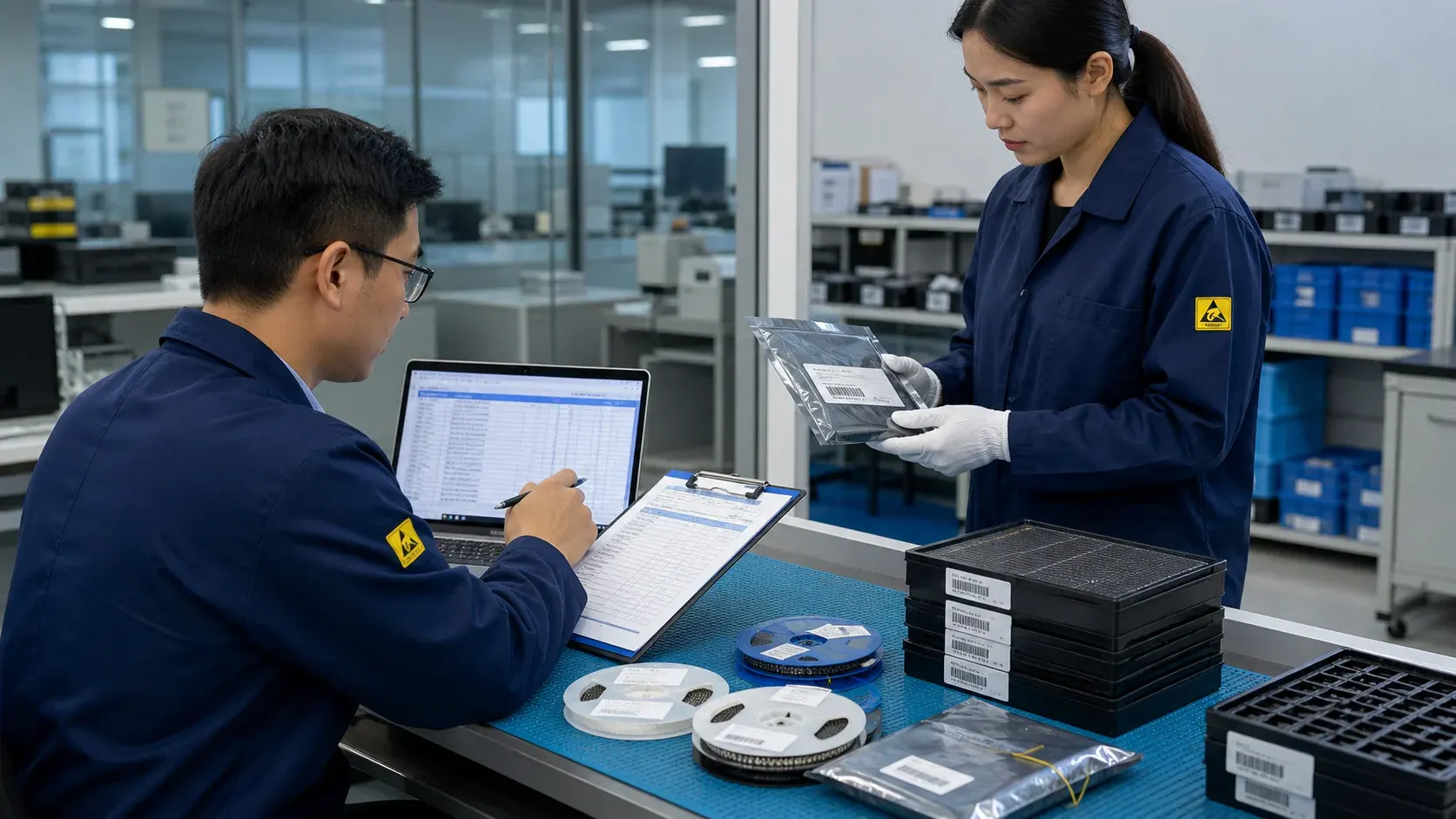
Product sourcing intelligence
WMSIC turns product data, package visuals, BOM context, and sourcing signals into practical RFQ notes for buyers.
Model text, package form, tray or reel details, and visual evidence are reviewed together before RFQ feedback.
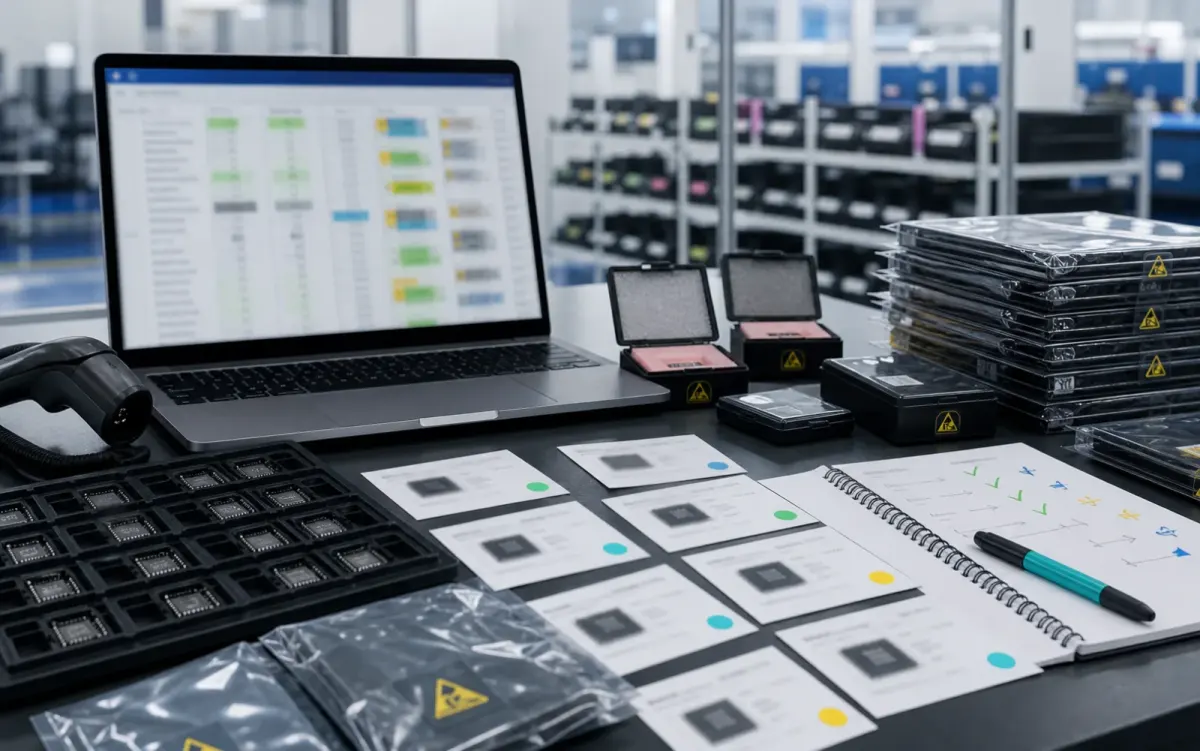
BOM lines are compared by package, parameters, quantity, and workable alternatives for cleaner sourcing decisions.
Stock routes, quotation confidence, lead-time notes, and shipment feasibility are checked before sales follow-up.
Buyer sourcing scenarios
Typical RFQ scenarios based on the WMSIC form fields, catalog data, manual review steps, and shipment preparation workflow.
The buyer shares the full part number, package requirement, quantity, destination, and available product photos so the quotation can record the exact version under review.
A multi-line BOM is organized into direct sourcing lines, lines that need package clarification, and lines where alternative-part review is permitted.
The original manufacturer part number, datasheet revision, application, critical limits, and acceptable changes are collected before possible candidates are discussed.
Sample quantity, minimum packing, package format, target date, and courier destination are kept together in one RFQ conversation.
Package photos, model markings, board context, and the quantity needed for repair help focus the sourcing review on the relevant version.
When a suffix or package note is incomplete, the response records the open difference and requests buyer confirmation before procurement proceeds.
Packing format, carton notes, invoice details, courier option, destination, and tracking handoff are coordinated around the confirmed order.
The request connects the previously used model, current demand, package evidence, target timing, and replenishment sourcing route.
Related products