
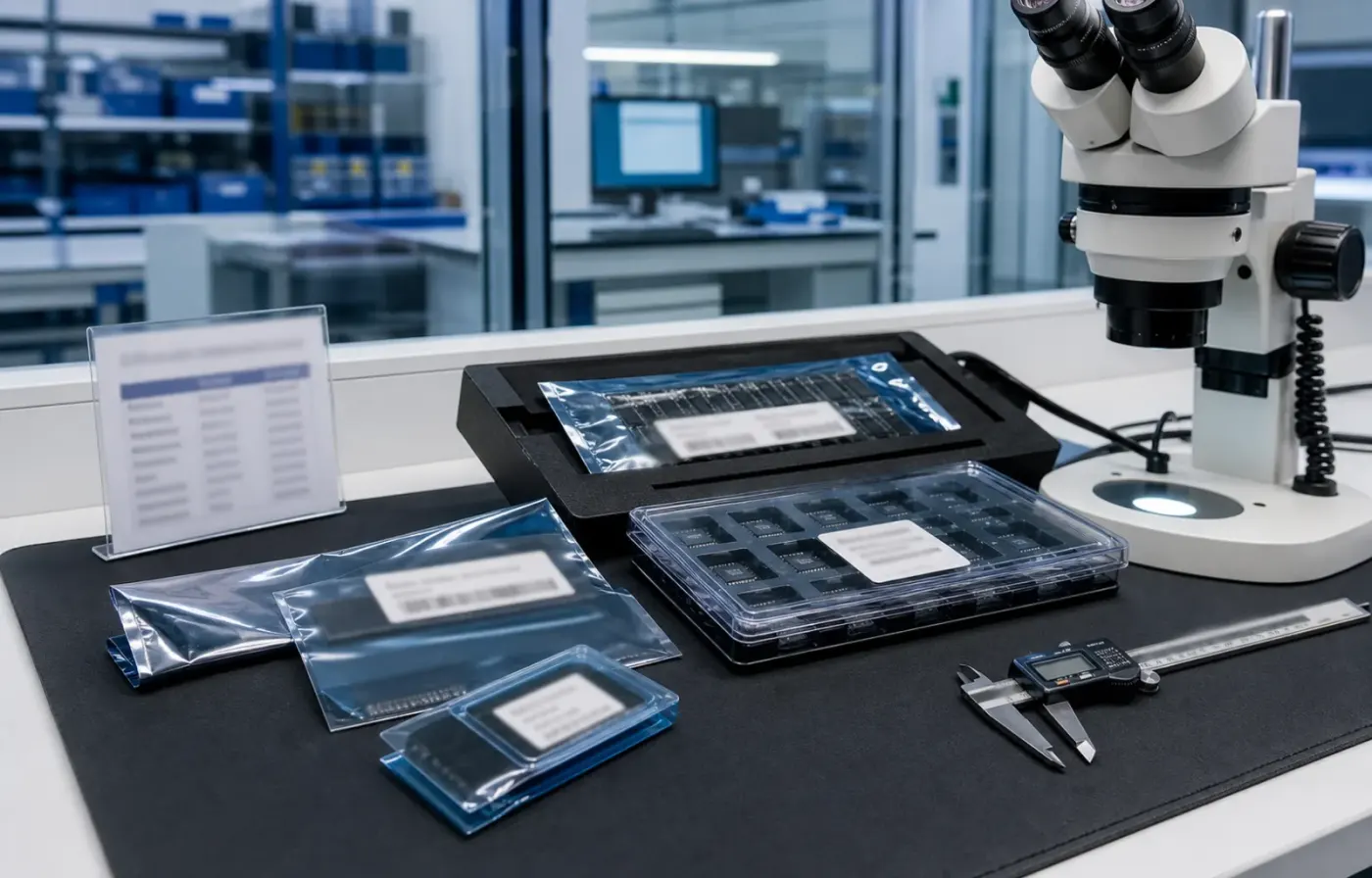
Model & package intelligence
Model text, package form, tray or reel details, and visual evidence are reviewed together before RFQ feedback.
 WMSIC
Electronic Components
Available for RFQ
Technical data
For datasheets, package documents, compatible-part guidance, or other technical resources, contact WMSIC customer service. Availability is confirmed case by case.
product description
Put all your mini and Micro B USB cables in a plastic bucket, the next generation USB connector is here, with USB C! As the industry moves from micro B or lighting to new standards, you'll start to see these connectors pop up on a variety of devices. At least until the next standard.
USB C features symmetric/reversible connectors, more data pins, and higher current output capabilities. For most developers, however, the correct USB pin usage you know and love will work just fine. This breakthrough gives you all the basics you need and a downstream connection resistance configuration that emulates classic USB 2.0.
The two 5.1K resistors on the CC1 pin indicate that the upstream port provides 5V and up to 1.5A current (whether the upstream can provide this much current depends on what you are connecting to.
In most cases, you just need to connect VBUS to your 5V input, GND to ground, and D+ and D- as you expect. You can monitor the CC and SBU pins to determine cable polarity, or send sideband data. Or let them disconnect.
Request for quote
Use the form for single models, category sourcing, and multi-line BOM requirements.

Product sourcing intelligence
WMSIC turns product data, package visuals, BOM context, and sourcing signals into practical RFQ notes for buyers.
Model text, package form, tray or reel details, and visual evidence are reviewed together before RFQ feedback.
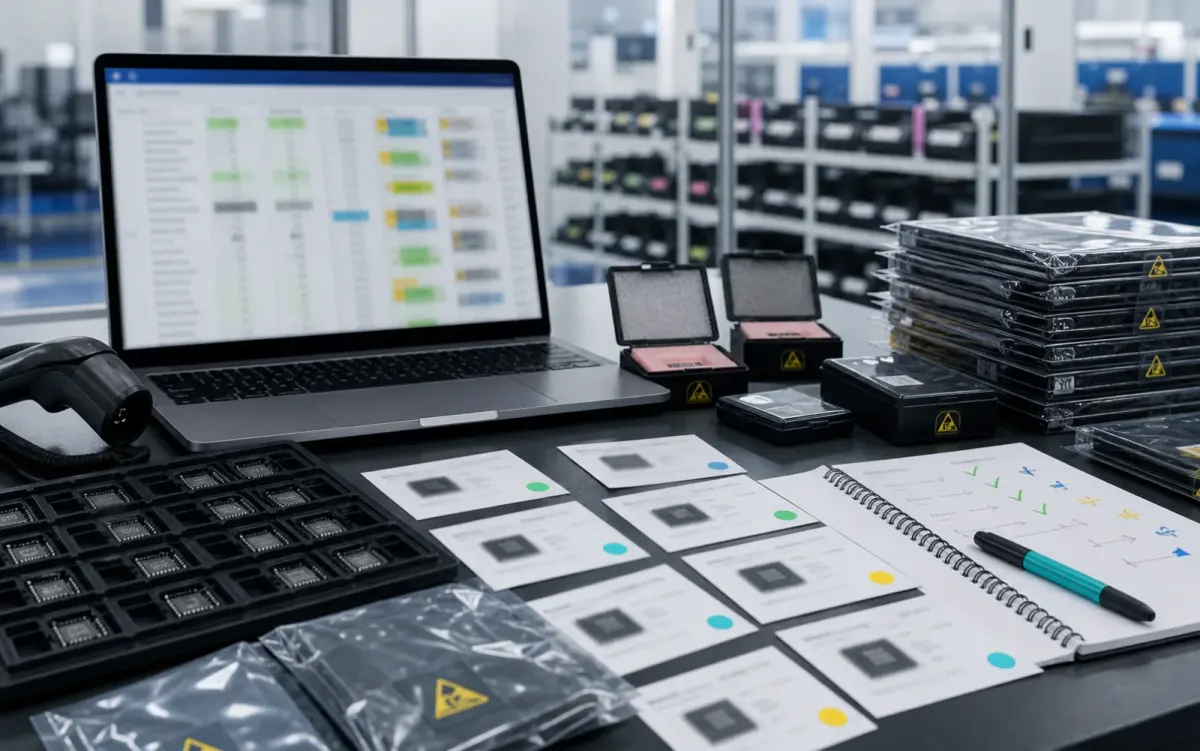
BOM lines are compared by package, parameters, quantity, and workable alternatives for cleaner sourcing decisions.

Stock routes, quotation confidence, lead-time notes, and shipment feasibility are checked before sales follow-up.
Buyer sourcing scenarios
Typical RFQ scenarios based on the WMSIC form fields, catalog data, manual review steps, and shipment preparation workflow.
The buyer shares the full part number, package requirement, quantity, destination, and available product photos so the quotation can record the exact version under review.
A multi-line BOM is organized into direct sourcing lines, lines that need package clarification, and lines where alternative-part review is permitted.
The original manufacturer part number, datasheet revision, application, critical limits, and acceptable changes are collected before possible candidates are discussed.
Sample quantity, minimum packing, package format, target date, and courier destination are kept together in one RFQ conversation.
Package photos, model markings, board context, and the quantity needed for repair help focus the sourcing review on the relevant version.
When a suffix or package note is incomplete, the response records the open difference and requests buyer confirmation before procurement proceeds.
Packing format, carton notes, invoice details, courier option, destination, and tracking handoff are coordinated around the confirmed order.
The request connects the previously used model, current demand, package evidence, target timing, and replenishment sourcing route.
Related products


