
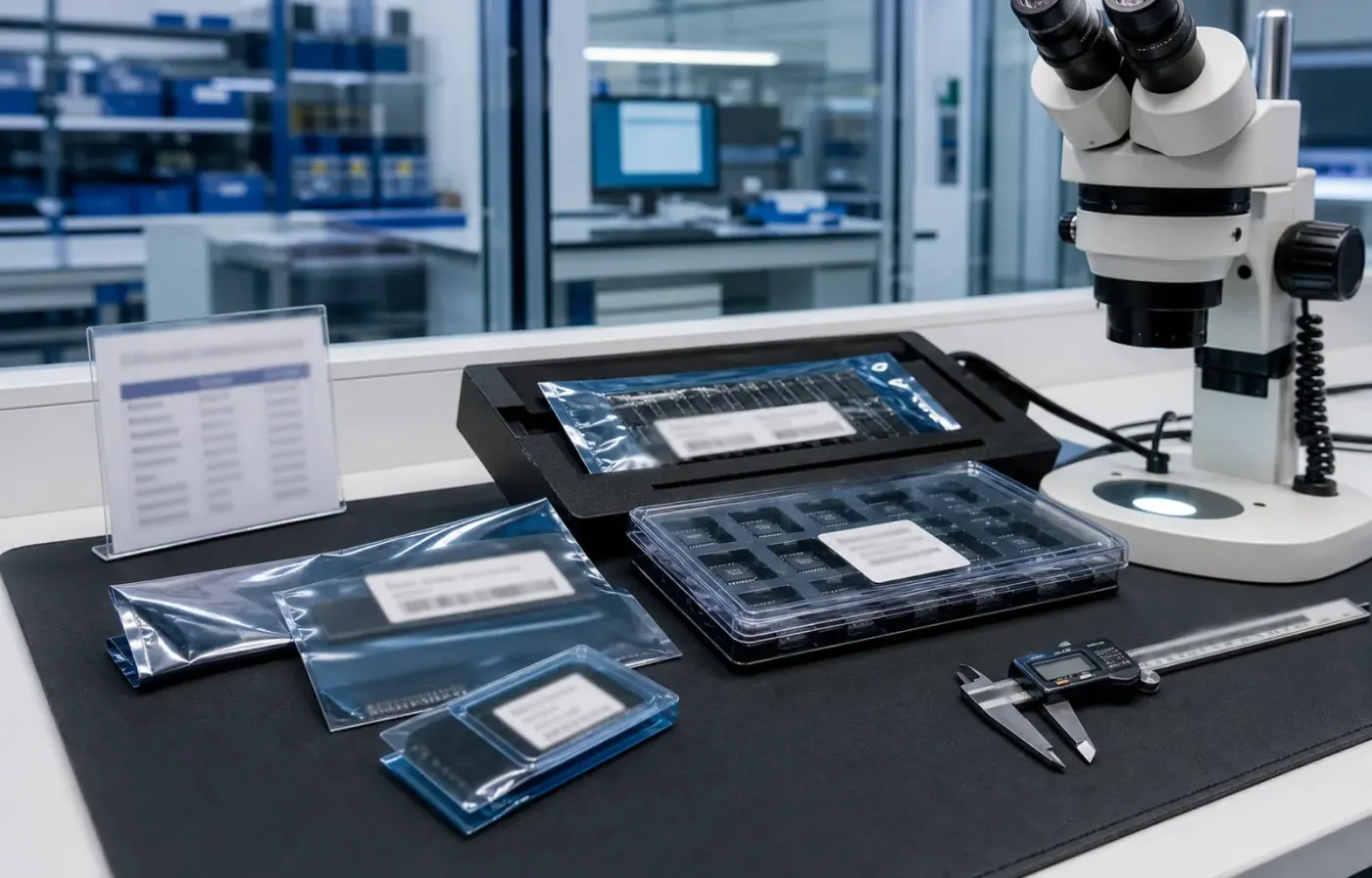
Model & package intelligence
Model text, package form, tray or reel details, and visual evidence are reviewed together before RFQ feedback.
 WMSIC
Electronic Components
WMSIC
Electronic Components
No matching options
Available for RFQ
Technical data
For datasheets, package documents, compatible-part guidance, or other technical resources, contact WMSIC customer service. Availability is confirmed case by case.
| Item | Specification |
|---|---|
| MCU Chip | ESP32‑C3‑FH4, 32‑bit single‑core RISC‑V processor, up to 160 MHz clock frequencyEspressif ... |
| Memory | 4 MB Flash
|
| Wireless Communication | Wi‑Fi: 2.4 GHz IEEE 802.11 b/g/n (Station / Soft‑AP / AP+STA mode)
|
| Interfaces | Type‑C USB for power supply & programming
|
| Power Supply | Input voltage: 5 V via Type‑C
|
| Power Consumption | Deep‑sleep current: ~43 μA |
| On‑board Components | BOOT button, RESET button
|
| Physical Dimension | 22.5 mm × 18.0 mm (PCB size) |
| Operating Temperature | -40 ℃ ~ +85 ℃ |
| Software Support | Arduino‑IDE, ESP‑IDF, PlatformIO, CircuitPythonGitHub |
| Security | Hardware AES‑128/256 encryption accelerator, Secure Boot, Flash encryption |
 ESP32-C3 PRO MINI
| Item | Specification |
|---|---|
| Main Chip | ESP32‑C3‑FH4, 32‑bit Single‑core RISC‑V, up to 160 MHz |
| Memory | 4 MB Flash
|
| Wireless | Wi‑Fi 2.4GHz IEEE 802.11 b/g/n (Station / Soft‑AP / AP+STA)
|
| USB Interface | Type‑C, power supply, native USB‑JTAG download & debug
|
| GPIO Resources | 16 external GPIO pins
|
| Power Input | 5V via Type‑C
|
| On‑board Buttons | RESET button, BOOT download button |
| Antenna | On‑board PCB antenna |
| Indicator LED | Power LED, user programmable LED |
| PCB Dimension | 24.1 mm × 18.1 mm |
| Operating Temperature | -40℃ ~ +85℃ |
| Supported IDE | Arduino‑IDE, ESP‑IDF, PlatformIO, MicroPython |
| Hardware Security | AES‑128/256 hardware encryption, Secure Boot, Flash encryption |
 ESP32-C6 supermini
| Item | Specification |
|---|---|
| Main Chip | ESP32‑C6‑FH4, 32‑bit Single‑core RISC‑V, up to 160 MHzEspressif ... |
| Memory | 4 MB Flash
|
| Wireless Connectivity | Wi‑Fi 6 2.4 GHz IEEE 802.11 ax/b/g/n
|
| USB Interface | Type‑C 2.0 Full‑Speed
|
| Peripherals & GPIO | 16 external breakout GPIO pins
|
| Power Supply | Input: 5 V via Type‑C
|
| On‑board Components | RESET button, BOOT download button
|
| PCB Dimension | 22.5 mm × 18.0 mm, 2.54 mm pin pitch |
| Operating Temperature | -40 ℃ ~ +85 ℃Espressif ... |
| Supported IDE | Arduino‑IDE, ESP‑IDF, PlatformIO, MicroPython |
| Hardware Security | AES‑128/256, SHA, ECC hardware accelerator
|
 ESP32-S3 supermini
| Item | Specification |
|---|---|
| Main Chip | ESP32‑S3‑FH4R2, Dual‑core Xtensa LX7, up to 240 MHz, vector extensions for AI accelerationEspressif ... |
| Memory | 4 MB Flash
|
| Wireless Connectivity | Wi‑Fi 2.4 GHz IEEE 802.11 b/g/n (Station / Soft‑AP / AP+STA)
|
| USB Interface | Type‑C 2.0 Full‑Speed
|
| Peripherals & GPIO | 16 external breakout GPIO pins
|
| Power Supply | Input: 5 V via Type‑C
|
| On‑board Components | RESET button, BOOT download button
|
| PCB Dimension | 22.5 mm × 18.0 mm, 2.54 mm pin pitch |
| Operating Temperature | -40 ℃ ~ +85 ℃ |
| Supported IDE | Arduino‑IDE, ESP‑IDF, PlatformIO, MicroPython |
| Hardware Security | AES‑128/256, SHA, RSA, HMAC hardware accelerator
|
 ESP32-H2 supermini
| Item | Specification |
|---|---|
| Main Chip | ESP32‑H2‑FH4, 32‑bit Single‑core RISC‑V, up to 96 MHz |
| Memory | 4 MB SiP Flash
|
| Wireless Connectivity | Bluetooth 5.3 BLE, Bluetooth Mesh
|
| USB Interface | Type‑C 2.0 Full‑Speed
|
| Peripherals & GPIO | 16 external breakout GPIO pins
|
| Power Supply | Input: 5 V via Type‑C
|
| On‑board Components | RESET button, BOOT download button
|
| PCB Dimension | 22.5 mm × 18.0 mm, 2.54 mm pin pitch |
| Operating Temperature | -40 ℃ ~ +85 ℃ |
| Supported IDE | Arduino‑IDE, ESP‑IDF, PlatformIO, MicroPython |
| Hardware Security | AES‑128/256, SHA, ECC hardware accelerator
|
 ESP32-C3 0.42 OLED

Request for quote
Use the form for single models, category sourcing, and multi-line BOM requirements.
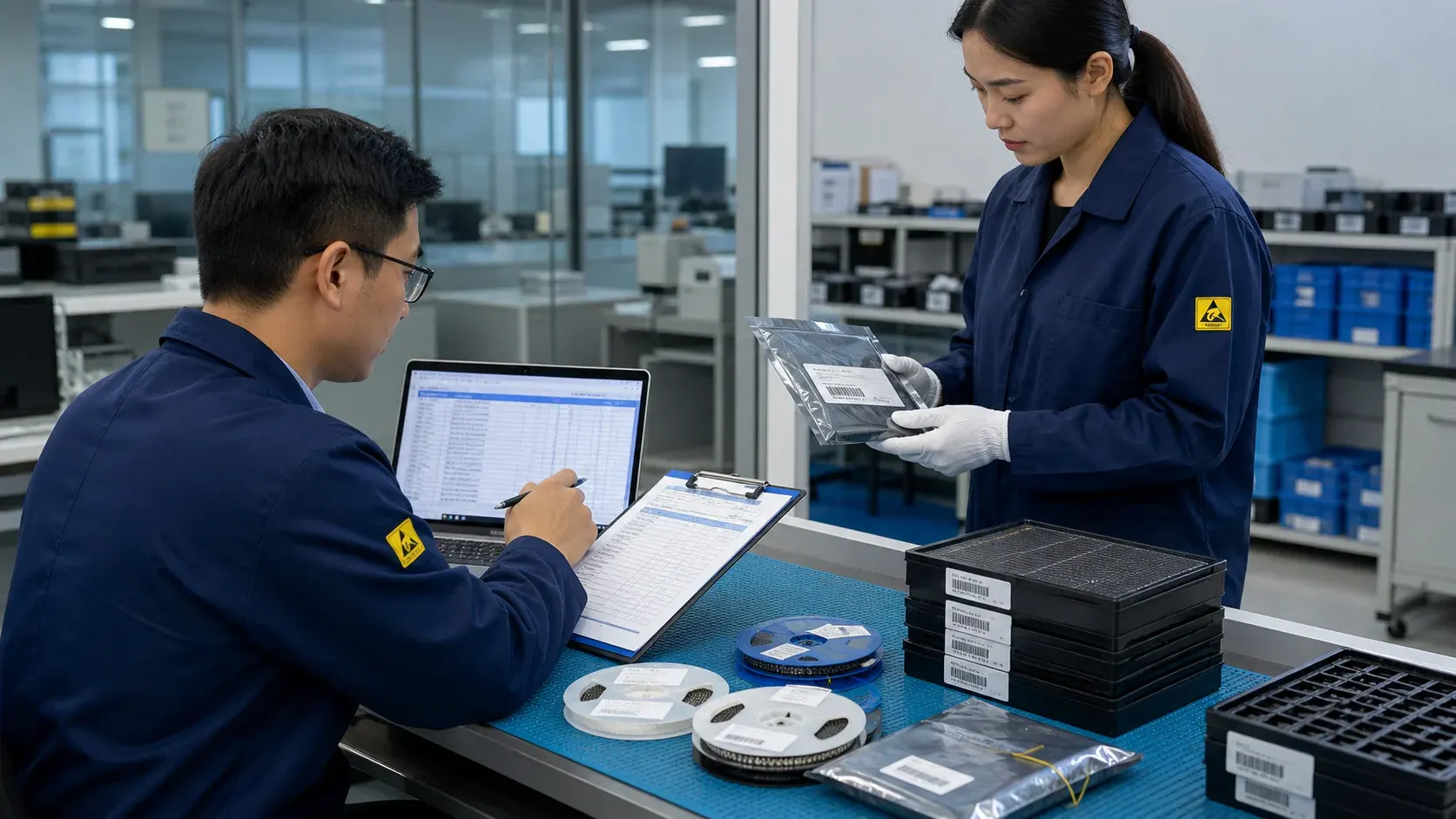
Product sourcing intelligence
WMSIC turns product data, package visuals, BOM context, and sourcing signals into practical RFQ notes for buyers.
Model text, package form, tray or reel details, and visual evidence are reviewed together before RFQ feedback.
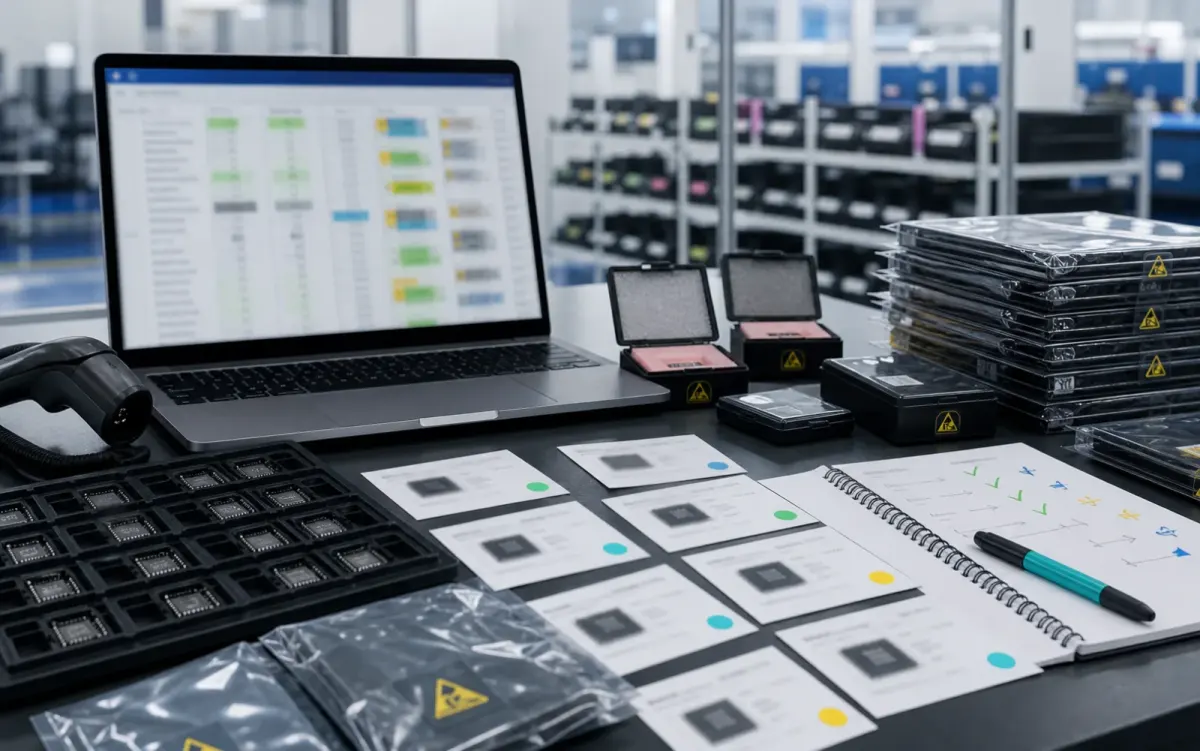
BOM lines are compared by package, parameters, quantity, and workable alternatives for cleaner sourcing decisions.
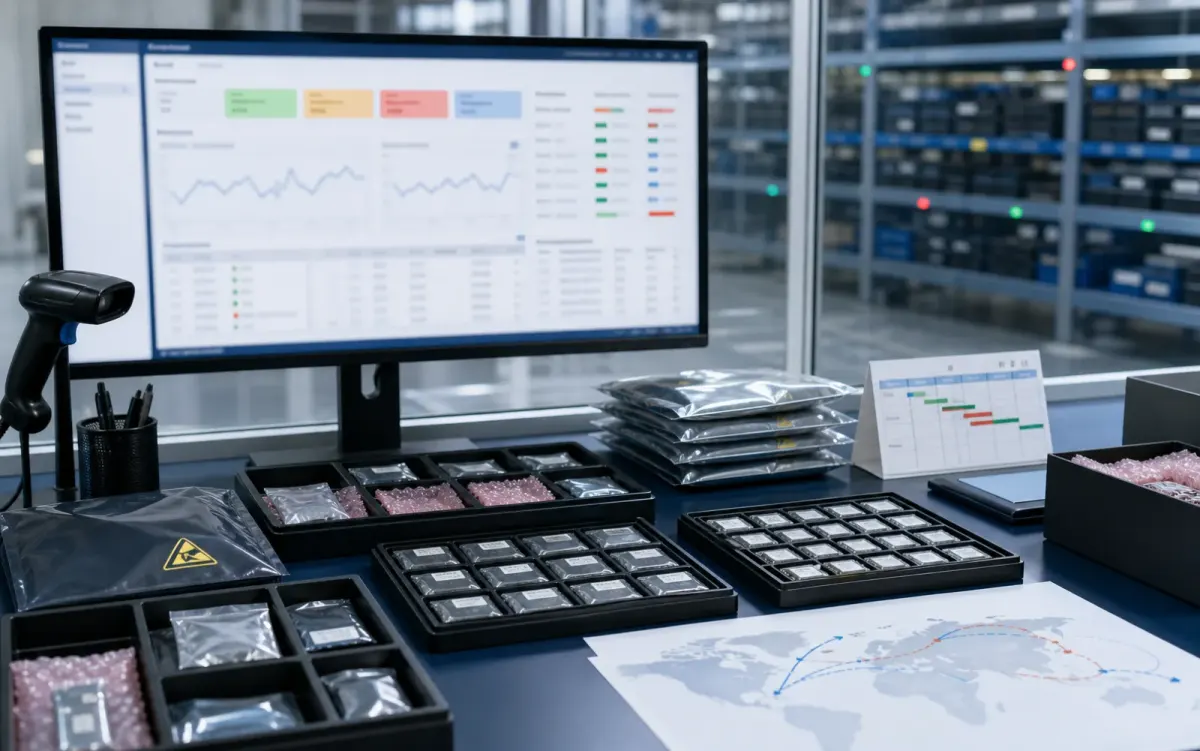
Stock routes, quotation confidence, lead-time notes, and shipment feasibility are checked before sales follow-up.
Buyer sourcing scenarios
Typical RFQ scenarios based on the WMSIC form fields, catalog data, manual review steps, and shipment preparation workflow.
The buyer shares the full part number, package requirement, quantity, destination, and available product photos so the quotation can record the exact version under review.
A multi-line BOM is organized into direct sourcing lines, lines that need package clarification, and lines where alternative-part review is permitted.
The original manufacturer part number, datasheet revision, application, critical limits, and acceptable changes are collected before possible candidates are discussed.
Sample quantity, minimum packing, package format, target date, and courier destination are kept together in one RFQ conversation.
Package photos, model markings, board context, and the quantity needed for repair help focus the sourcing review on the relevant version.
When a suffix or package note is incomplete, the response records the open difference and requests buyer confirmation before procurement proceeds.
Packing format, carton notes, invoice details, courier option, destination, and tracking handoff are coordinated around the confirmed order.
The request connects the previously used model, current demand, package evidence, target timing, and replenishment sourcing route.
Related products


