WMSIC Electronic Components

MCU FT232H Multifunction High-Speed USB to JTAG UART/FIFO SPI/I2C Module FT232H

ModelFT232H
Price Price on request Electronic component prices change quickly with market supply and demand. Please refer to the latest WMSIC quotation for current pricing.
Configuration
2 options
Configuration FT232H TYPE-C

Available for RFQ

Technical data

Product details

12 specifications

Core information

Product name
MCU FT232H Multifunction High-Speed USB to JTAG UART/ FIFO SPI/ I2C Module
Type
Electronic Components & Modules

Technical parameters

Type
Module
Origin
Mainland China
Package
Standard
Condition
New
Application
Computer
is_customized
Yes
Supply Voltage
Standard
Dissipation Power
Standard
Operating Temperature
Standard
High-concerned chemical
none

For datasheets, package documents, compatible-part guidance, or other technical resources, contact WMSIC customer service. Availability is confirmed case by case.

CJMCU FT232H    USB to JTAG UART/FIFO IIC I2C

Typical Applications
Single chip USB to UART (RS232, RS422 or RS485)
USB to FIFO
USB to FT1248
USB to JTAG
USB to SPI
USB to I2C
USB to Bit-Bang
USB to Fast Serial Interface
USB to CPU target interface (as memory)
CJMCU-FT232H is a single channel USB 2.0 Hi-Speed (480Mb/s) to UART/FIFO IC. It has the capability of being configured in a variety of industry standard serial or parallel interfaces. The FT232H has the following advanced features:
Single channel USB to serial / parallel ports with a variety of configurations.
Entire USB protocol handled on the chip. No USB specific firmware programming required.
USB 2.0 Hi-Speed (480Mbits/Second) and Full Speed (12Mbits/Second) compatible.
Multi-Protocol Synchronous Serial Engine (MPSSE) to simplify synchronous serial protocol (USB to JTAG, I2C, SPI (MASTER) or bit-bang) design.
UART transfer data rate up to 12Mbaud. (RS232 Data Rate limited by external level shifter).
USB to asynchronous 245 FIFO mode for transfer data rate up to 8 Mbyte/Sec.
USB to synchronous 245 parallel FIFO mode for transfers upto 40 Mbytes/Sec
Supports a proprietary half duplex FT1248 interface with a configurable width, bi-directional data bus (1, 2, 4 or 8 bits wide).
CPU-style FIFO interface mode simplifies CPU interface design.
Fast serial interface option.
FTDI's royalty-free Virtual Com Port(VCP) and Direct (D2XX) drivers eliminate the requirement for USB driver development in most cases.
Adjustable receive buffer timeout.

Request for quote

Send RFQ

Use the form for single models, category sourcing, and multi-line BOM requirements.

Send your target model and quantity.

Product sourcing intelligence

Model, package, availability, and BOM fit reviewed before quotation.

WMSIC turns product data, package visuals, BOM context, and sourcing signals into practical RFQ notes for buyers.

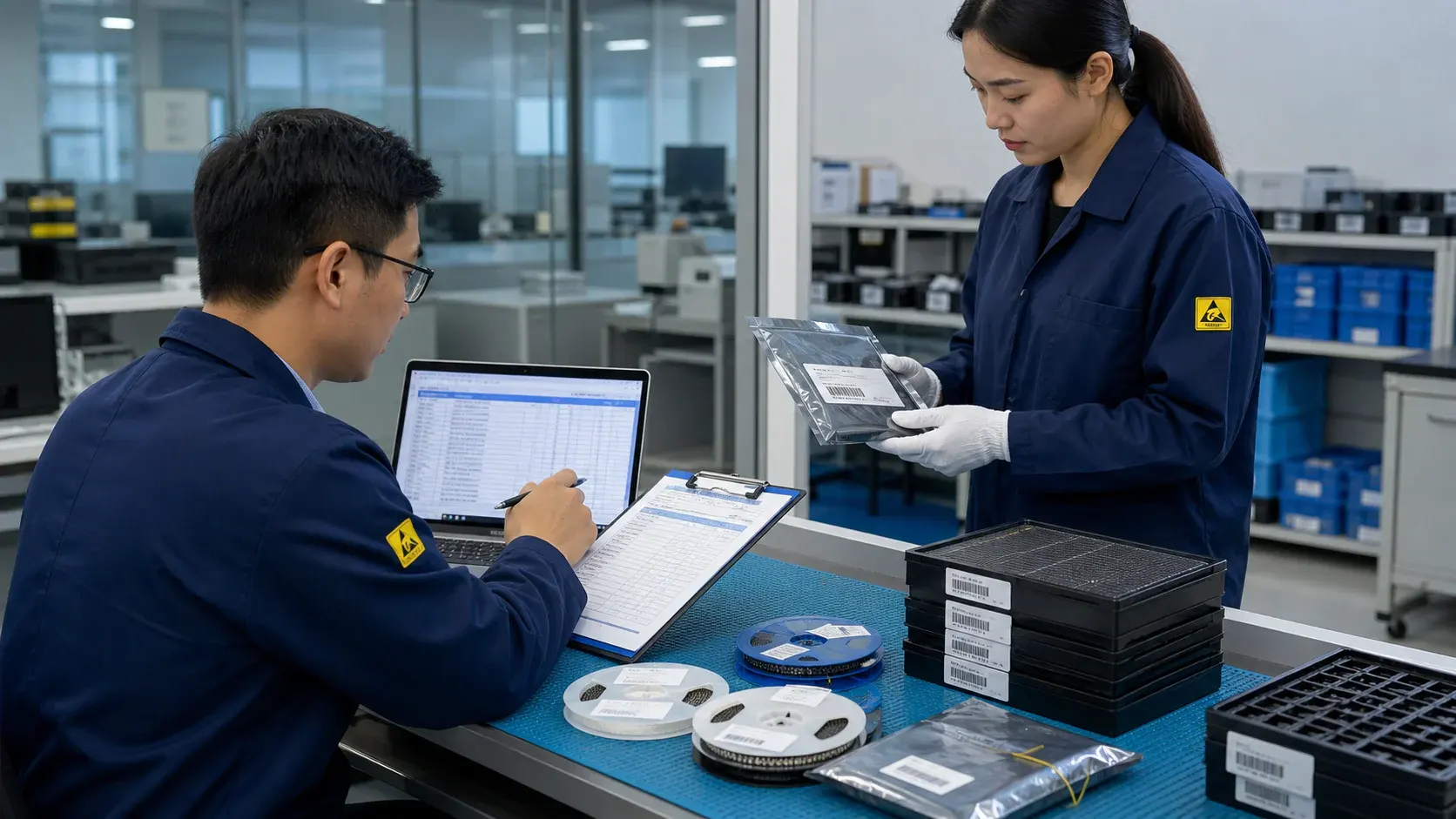
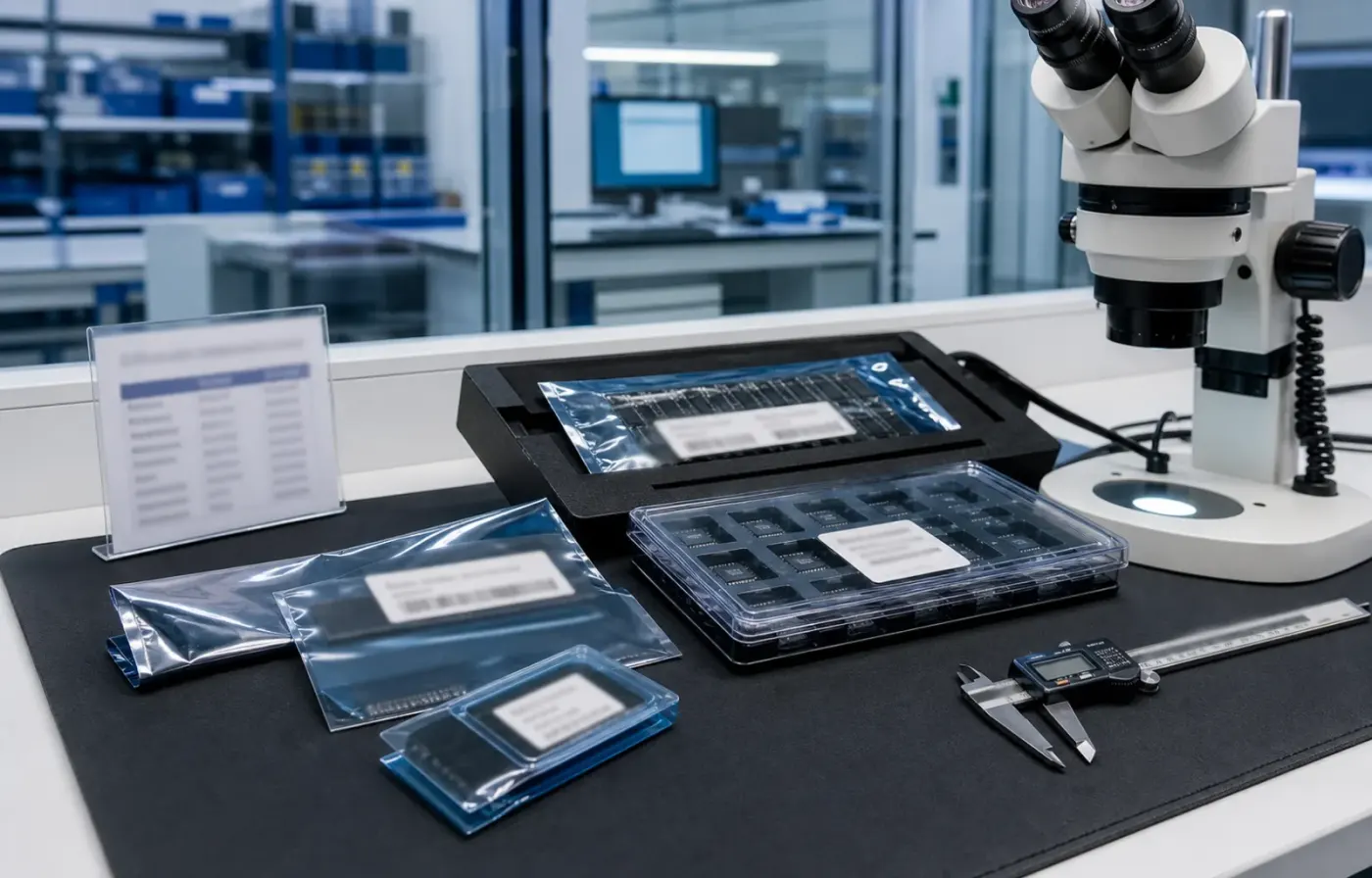
Electronic component model and package intelligence review on an ESD-safe inspection bench

Model & package intelligence

Model text, package form, tray or reel details, and visual evidence are reviewed together before RFQ feedback.

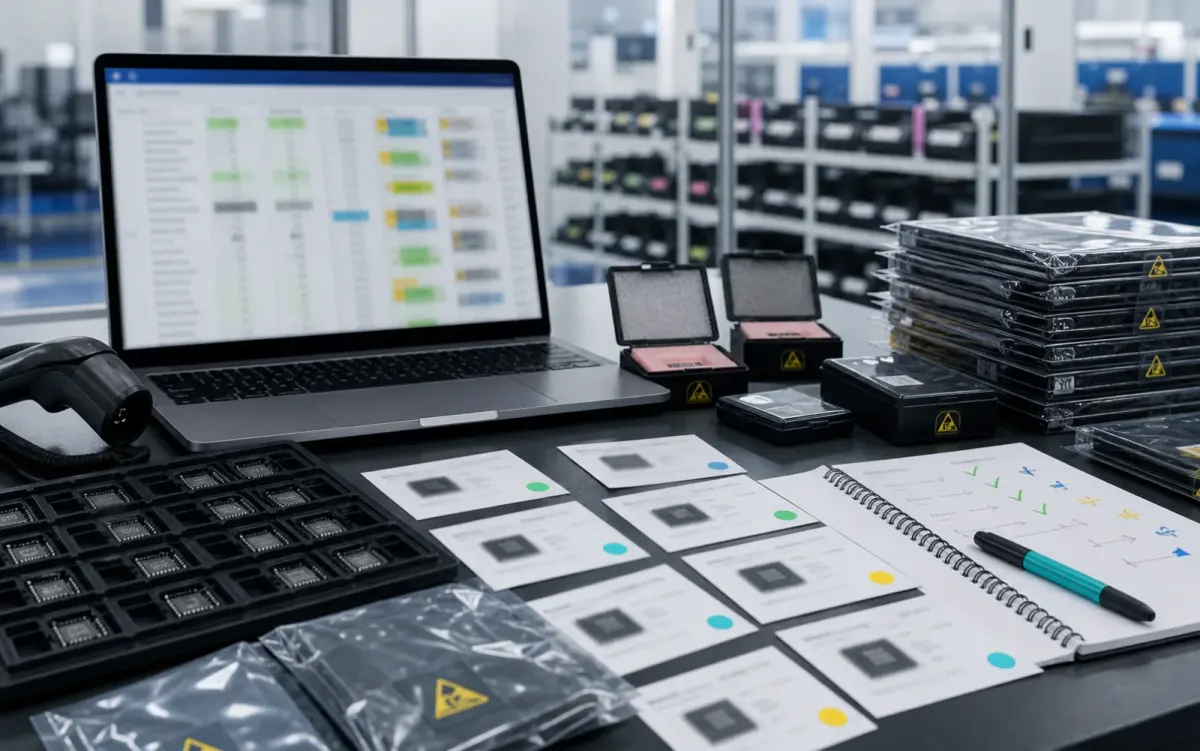
BOM matching and alternative component comparison workstation with protected IC samples

BOM matching & alternatives

BOM lines are compared by package, parameters, quantity, and workable alternatives for cleaner sourcing decisions.
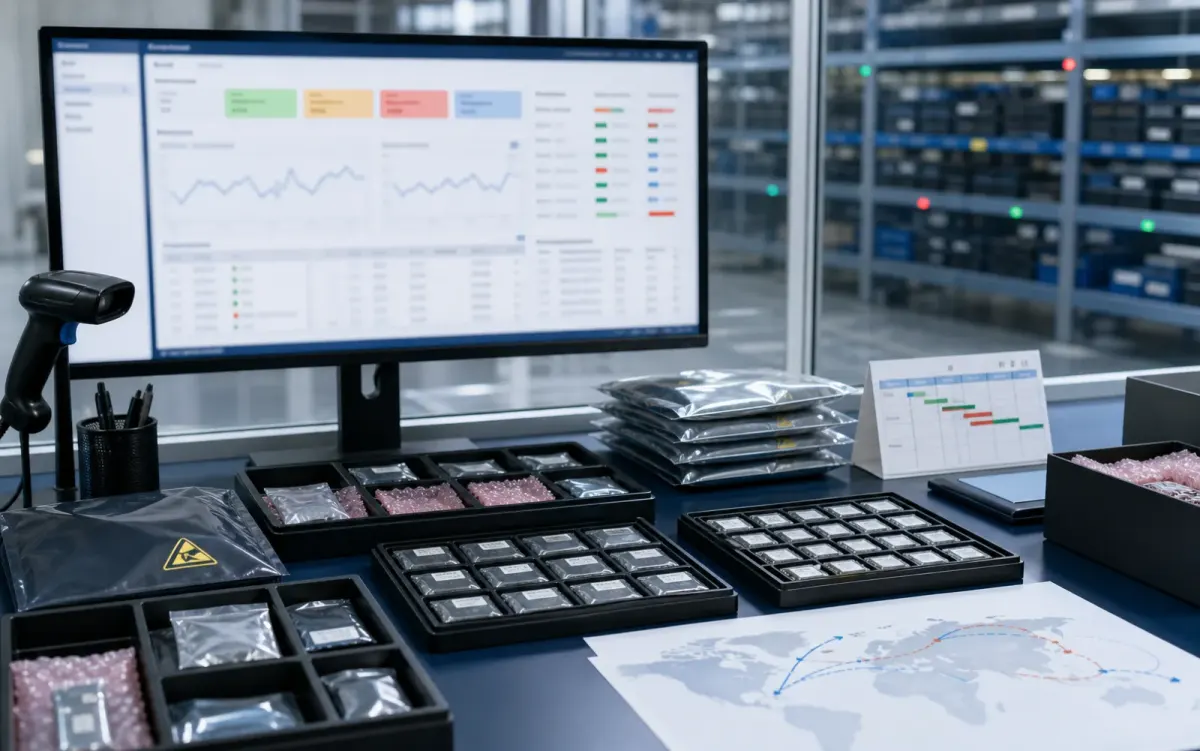
Electronic component sourcing availability dashboard with ESD-protected samples

Sourcing availability signal

Stock routes, quotation confidence, lead-time notes, and shipment feasibility are checked before sales follow-up.

Buyer sourcing scenarios

Examples of how common component sourcing requests are organized.

Typical RFQ scenarios based on the WMSIC form fields, catalog data, manual review steps, and shipment preparation workflow.

The buyer shares the full part number, package requirement, quantity, destination, and available product photos so the quotation can record the exact version under review.

Package confirmation Typical RFQ workflow

A multi-line BOM is organized into direct sourcing lines, lines that need package clarification, and lines where alternative-part review is permitted.

Mixed BOM triage Typical RFQ workflow

The original manufacturer part number, datasheet revision, application, critical limits, and acceptable changes are collected before possible candidates are discussed.

Obsolete-part review Typical RFQ workflow

Sample quantity, minimum packing, package format, target date, and courier destination are kept together in one RFQ conversation.

Small-batch request Typical RFQ workflow

Package photos, model markings, board context, and the quantity needed for repair help focus the sourcing review on the relevant version.

Repair batch evidence Typical RFQ workflow

When a suffix or package note is incomplete, the response records the open difference and requests buyer confirmation before procurement proceeds.

Model suffix clarification Typical RFQ workflow

Packing format, carton notes, invoice details, courier option, destination, and tracking handoff are coordinated around the confirmed order.

Export handoff Typical RFQ workflow

The request connects the previously used model, current demand, package evidence, target timing, and replenishment sourcing route.

Replenishment inquiry Typical RFQ workflow

Related products

Packaged components ready for RFQ.