WMSIC Electronic Components

ESP32/32D/32U DevKitC Antenna 30Pin/38P Development Board WiFi+Bluetooth Dual Core 32-bit MCU Module System Board CP2102/CH340 ESP32

Model
Price Price on request Electronic component prices change quickly with market supply and demand. Please refer to the latest WMSIC quotation for current pricing.
Configuration
14 options
Configuration 30Pin CP9102 MICRO

Available for RFQ

Technical data

Product details

6 specifications

Core information

Product name
ESP32/32D/32U DevKitC antenna 30Pin/38P development board WIFI+Bluetooth dual core 32-bit MCU module system board CP2102/CH340
Type
Electronic Components & Modules

Technical parameters

Type
Module
Origin
Mainland China
Condition
New
High-concerned chemical
none

For datasheets, package documents, compatible-part guidance, or other technical resources, contact WMSIC customer service. Availability is confirmed case by case.

Description:
1. The main body of the module is ESP-WROOM-32 module, and the peripheral uses the USB serial port chip CP2102 to expand the micro USB interface, which can be directly debugged by a USB connected computer, and the data transmission is fast and stable.
2. It has power indicator (red light) and working status indicator (blue light) on it, so you can know the status of the module at any time.
3. There are two touch buttons, one is reset, the other is enable module to enter the halberd program mode. In addition, the pins on both sides of the development board are convenient for developers to connect and use.
4. The module has powerful Bluetooth-compatible and WiFi functions. As a Bluetooth-compatible and WiFi development board, it can obtain rich resources from Lexin and anxinco official websites.
5. In addition, the module supports for NodeMCU and other development environments, which expands the range of its resources available and greatly improves the ease of learning and development. Of course, it can also be widely used in Internet of things occasions, such as home automation, wireless industrial control, wireless positioning system signal, etc.

Feature:
1. The module is the ESP- WROOM-32 development board, and the ESP- WROOM32 parameter characteristic is also the parameter characteristic of the module.
2. 802.11b/g/WiFi + BT module.
3. Low power dual core 32-bit CPU, which can be used as application processor;
4. The main frequency is up to 240MHz, and the operation capacity is up to 600DMIPS.
5. Support UART / SPI / I2C / PWM / DAC / ADC and other interfaces;
6. Support openOCD debugging interface;
7. It supports multiple sleep modes, and the current reaches 6.5ua in deep sleep;
8. Embedded LwIP and FreeRTOS;
9. Support STA/AP/STA+AP mode;
10. Support Smart Config / Airkiss one key distribution network;
11. General at command, easy to use;
12. Support local serial port upgrade and remote upgrade (FOTA).

Specification:
SPIFlash: default 32Mbit
Bluetooth: Bluetooth-compatible 4.2 BR/EDR and BLE standards
Supporting interfaces: UART, SPI, SDIO, I2C, PWM, I2S, IR, ADC, DAC
On chip sensors: Hall sensor, temperature sensor, capacitive touch sensor
IO port: 22pcs
Serial port rate: 115200 BPS by default
Spectrum range: 2412 ~ 2484MHz
Antenna form: PCB antenna on board, gain 2dBi
Transmitting power: 802.11b: 17 ± 2dbm (11Mbps) 802.11g: 14 + 2dbm (54Mbps) 802.11n: 13 ± 2dbm (MCS7)
Receiving sensitivity: CCK, 1Mbps: - 90dbm CCK, 11Mbps: - 85dBm 6Mbps (1 / 2bpsk): - 88dbm 54Mbps (3 / 464-qam): - 70dBm mcs7 (65mbps, 72.2mbps): - 67dbm
Power consumption: 300mA 3.3V
Security: WPA / WPA2 / WPA2 Enterprise / WPS
Power supply range: USB power supply: 5V pin power supply: 5.0V~12V
Working temperature: - 20 ~ 85 ℃
Storage environment: - 40 ~ 90℃, < 90% RH
Product size: 52 * 29 * 15mm/2.04*1.14*0.59''

Note:
Please allow 1-3mm differs due to manual measurement.
Due to the different display and different light, the picture may not show the actual color of the item. Thanks for your understanding.

Request for quote

Send RFQ

Use the form for single models, category sourcing, and multi-line BOM requirements.

Send your target model and quantity.

Product sourcing intelligence

Model, package, availability, and BOM fit reviewed before quotation.

WMSIC turns product data, package visuals, BOM context, and sourcing signals into practical RFQ notes for buyers.

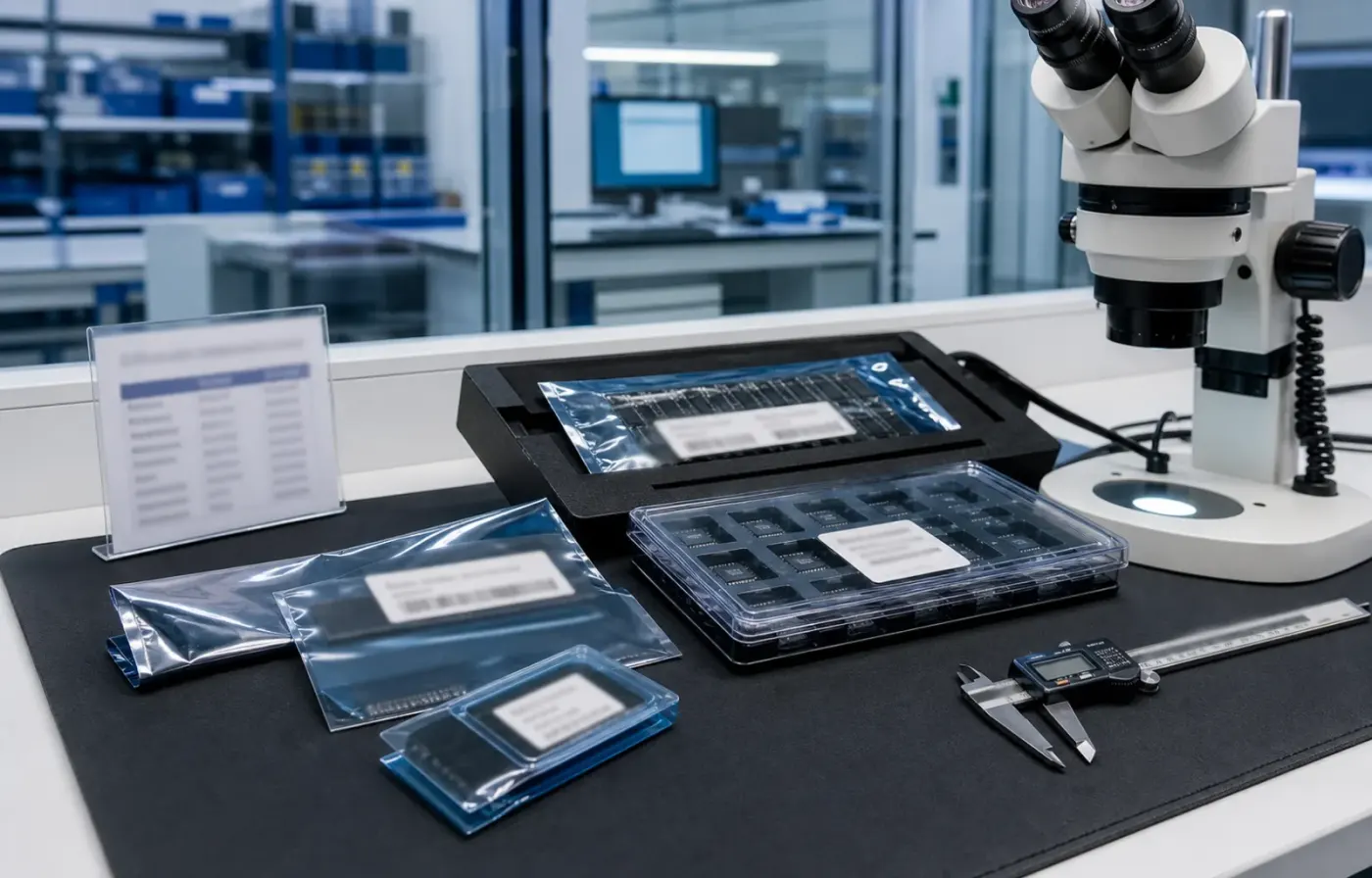
Electronic component model and package intelligence review on an ESD-safe inspection bench

Model & package intelligence

Model text, package form, tray or reel details, and visual evidence are reviewed together before RFQ feedback.

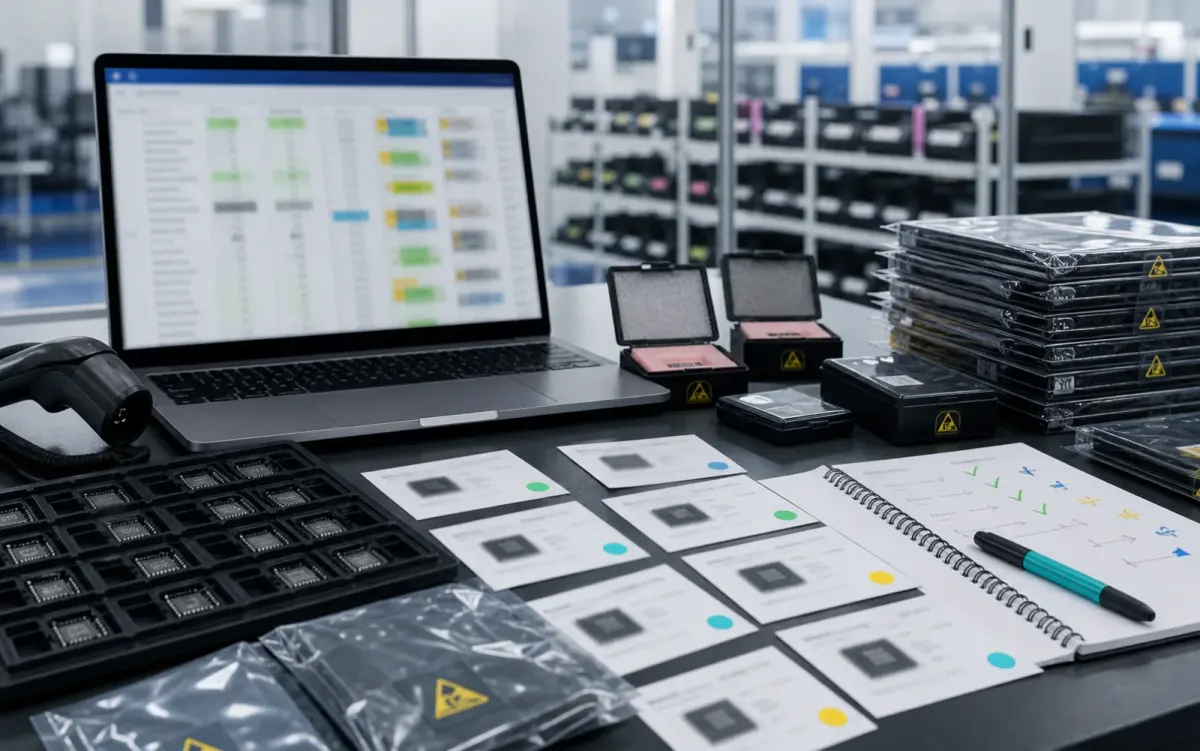
BOM matching and alternative component comparison workstation with protected IC samples

BOM matching & alternatives

BOM lines are compared by package, parameters, quantity, and workable alternatives for cleaner sourcing decisions.

Electronic component sourcing availability dashboard with ESD-protected samples

Sourcing availability signal

Stock routes, quotation confidence, lead-time notes, and shipment feasibility are checked before sales follow-up.

Buyer sourcing scenarios

Examples of how common component sourcing requests are organized.

Typical RFQ scenarios based on the WMSIC form fields, catalog data, manual review steps, and shipment preparation workflow.

The buyer shares the full part number, package requirement, quantity, destination, and available product photos so the quotation can record the exact version under review.

Package confirmation Typical RFQ workflow

A multi-line BOM is organized into direct sourcing lines, lines that need package clarification, and lines where alternative-part review is permitted.

Mixed BOM triage Typical RFQ workflow

The original manufacturer part number, datasheet revision, application, critical limits, and acceptable changes are collected before possible candidates are discussed.

Obsolete-part review Typical RFQ workflow

Sample quantity, minimum packing, package format, target date, and courier destination are kept together in one RFQ conversation.

Small-batch request Typical RFQ workflow

Package photos, model markings, board context, and the quantity needed for repair help focus the sourcing review on the relevant version.

Repair batch evidence Typical RFQ workflow

When a suffix or package note is incomplete, the response records the open difference and requests buyer confirmation before procurement proceeds.

Model suffix clarification Typical RFQ workflow

Packing format, carton notes, invoice details, courier option, destination, and tracking handoff are coordinated around the confirmed order.

Export handoff Typical RFQ workflow

The request connects the previously used model, current demand, package evidence, target timing, and replenishment sourcing route.

Replenishment inquiry Typical RFQ workflow

Related products

Packaged components ready for RFQ.