WMSIC Electronic Components

XBLW L298N

ModelL298N(XBLW)
PackageZIP-15
BrandXBLW
Price Price on request Electronic component prices change quickly with market supply and demand. Please refer to the latest WMSIC quotation for current pricing.
Configuration
1 options
Configuration 26+

Available for RFQ

Technical data

Product details

19 specifications

Core information

Product name
XBLW L298N(XBLW)
Type
XBLW
Minimum package
25 管

Technical parameters

Electronic Component
XBLW
Electronic Component
L298N(XBLW)
Electronic Component
1
Package
ZIP-15
Electronic Component
Stepper Motor Driver IC
Electronic Component
8.163g
Electronic Component
1
H
2
Electronic Component
BM0265609040
Operating Temperature
25℃~+120℃
Voltage
4.5V~46V
Output Current
4A
Integrated Switch
Electronic Component
Driver Type
Driver
Electronic Component

For datasheets, package documents, compatible-part guidance, or other technical resources, contact WMSIC customer service. Availability is confirmed case by case.

L298N(XBLW芯伯乐)电机驱动芯片产品概述

一、产品核心定位与应用场景

XBLW(芯伯乐)L298N是一款双H桥集成电机驱动芯片,主打中小功率电机的高效驱动,核心定位为「高性价比、易集成、宽适配」的通用型方案。

它的应用场景覆盖多领域:

  • 消费电子与DIY:两轮平衡小车、智能小车底盘、小型机械臂、3D打印机挤出机;
  • 工业控制:小型传送带电机、阀门执行器、小型伺服辅助驱动;
  • 教育开发:Arduino、STM32等开发板的电机扩展(学生项目常用);
  • 智能家居:窗帘电机、小型扫地机器人驱动单元。

凭借4.5V~46V宽电压和4A持续电流,能适配锂电池(11.1V)、12V/24V稳压电源等多种供电,无需频繁换方案,适合快速落地。

二、关键参数与性能优势

1. 核心电气参数

  • 控制电压:4.5V~46V DC(兼容低功耗5V小电机到高电压48V电机);
  • 输出电流:单路最大持续4A(峰值可达6A,满足电机启动瞬间大电流);
  • 输出功率:单路最大184W(46V×4A),适配24V/100W以内电机;
  • 控制接口:TTL/CMOS兼容(无需电平转换,直接接单片机IO)。

2. 集成与防护特性

  • 内置双H桥:无需外部搭功率开关,减少外围元件,简化电路;
  • 续流二极管:每个H桥内置二极管,吸收电机反电动势,保护芯片和绕组;
  • 过热保护(部分批次):温度超150℃时自动关断输出,防止烧毁。

3. 实用性能优势

  • 宽电压适配:从4.5V到46V全覆盖,不用换电源就能驱动不同电机;
  • 高电流密度:4A持续电流在ZIP-15小封装下实现,适合紧凑设计;
  • 易调速:支持PWM调速,通过ENA/ENB占空比调整转速(0~全速连续调节)。

三、封装与引脚功能说明

采用ZIP-15直插封装(15脚单列直插),引脚按功能分4类,清晰易接:

  1. 电源引脚:

    • VS(引脚8):电机供电输入(4.5V~46V);
    • GND(6、7、9、10):电源/控制地,需与单片机共地。
  2. 电机输出引脚:

    • OUT1(1)、OUT2(2):A路电机输出;
    • OUT3(15)、OUT4(14):B路电机输出。
  3. 控制引脚:

    • IN1(4)、IN2(5):A路方向控制(如IN1高/IN2低→正转);
    • IN3(11)、IN4(12):B路方向控制;
    • ENA(3)、ENB(13):A/B路使能(高电平有效,可接PWM调速)。

四、典型应用电路设计要点

以「Arduino控制双电机小车」为例,关键设计点:

  1. 电源部分:

    • 电机电源:12V/5A锂电池(满足4A输出),VS接电池正极,GND接负极;
    • 控制电源:Arduino 5V接芯片控制引脚,注意共地;
    • 滤波电容:VS与GND间并联10μF电解+0.1μF陶瓷电容,滤除纹波。
  2. 电机连接:

    • 电机A:OUT1→正极,OUT2→负极;电机B同理;
    • 可选外部二极管:若电机功率大,加1N4007并联电机两端(正极接电机负极),增强防护。
  3. 散热设计:

    • 必须贴铝制散热片(面积≥2cm²),持续4A时加小风扇,避免过热。

五、选型与注意事项

  1. 选型建议:

    • 单电机用单路输出;双电机直接用两路;
    • 需更高电流选同系列L298P(峰值8A)。
  2. 使用禁忌:

    • 禁止电源反接(VS正负极接反直接烧芯片);
    • 避免电机短路(短路需立即断电);
    • 电压/电流不超规格(46V/4A持续)。

总结

XBLW L298N作为经典驱动芯片,凭借宽电压、高电流、易集成的优势,成为中小功率电机的首选方案。从DIY小车到工业小执行器,都能快速适配,性价比突出,是电子设计中不可或缺的通用元件。

Request for quote

Send RFQ

Use the form for single models, category sourcing, and multi-line BOM requirements.

Send your target model and quantity.

Product sourcing intelligence

Model, package, availability, and BOM fit reviewed before quotation.

WMSIC turns product data, package visuals, BOM context, and sourcing signals into practical RFQ notes for buyers.

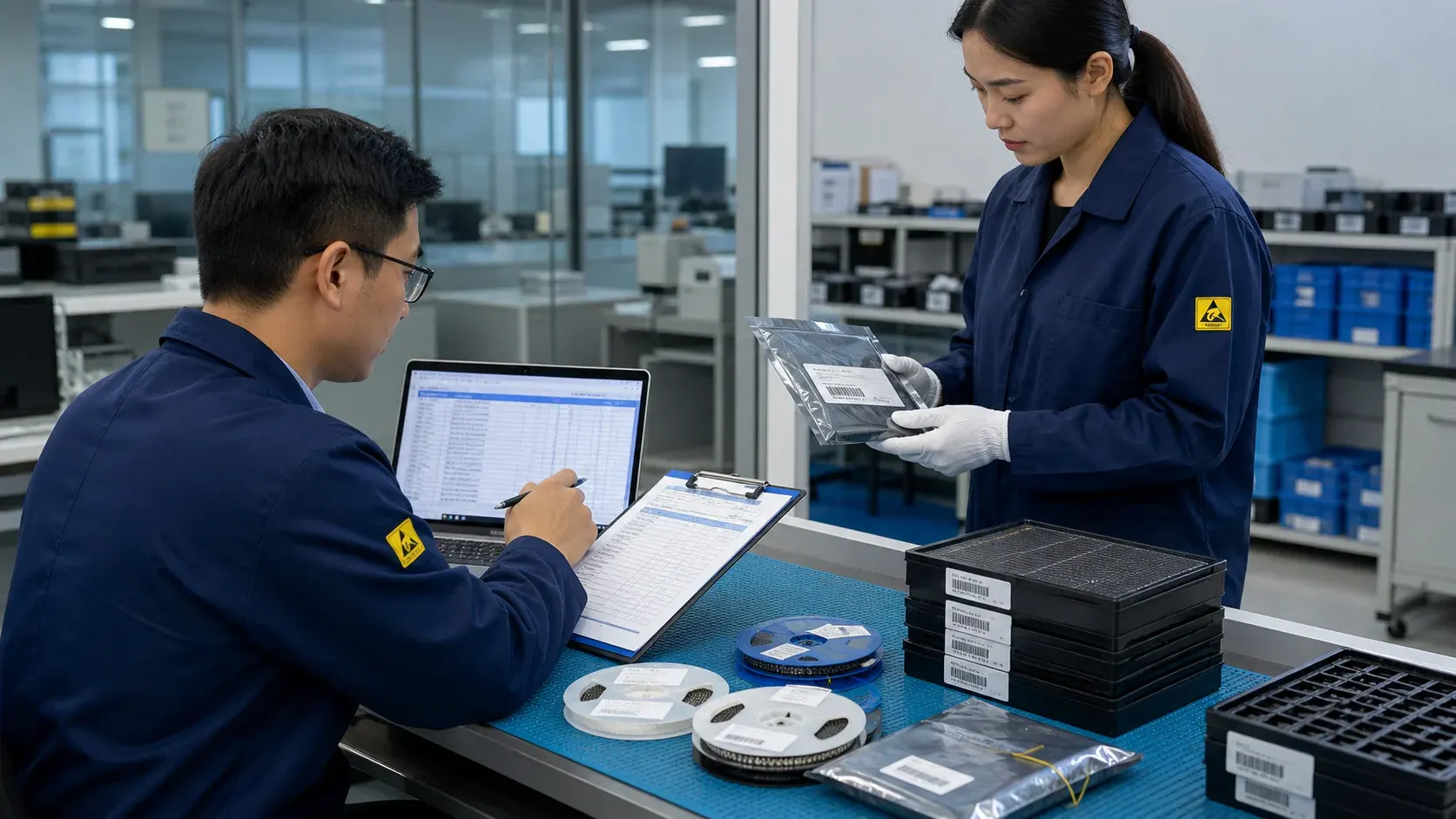
Electronic component model and package intelligence review on an ESD-safe inspection bench

Model & package intelligence

Model text, package form, tray or reel details, and visual evidence are reviewed together before RFQ feedback.

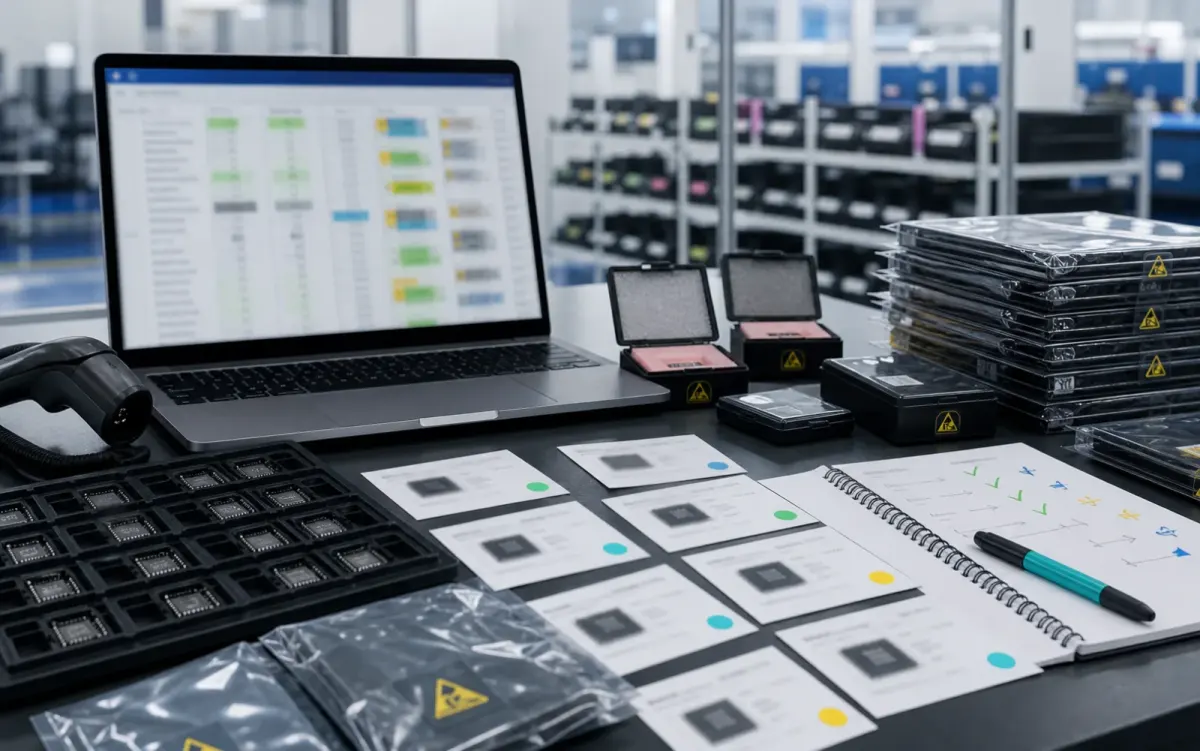
BOM matching and alternative component comparison workstation with protected IC samples

BOM matching & alternatives

BOM lines are compared by package, parameters, quantity, and workable alternatives for cleaner sourcing decisions.
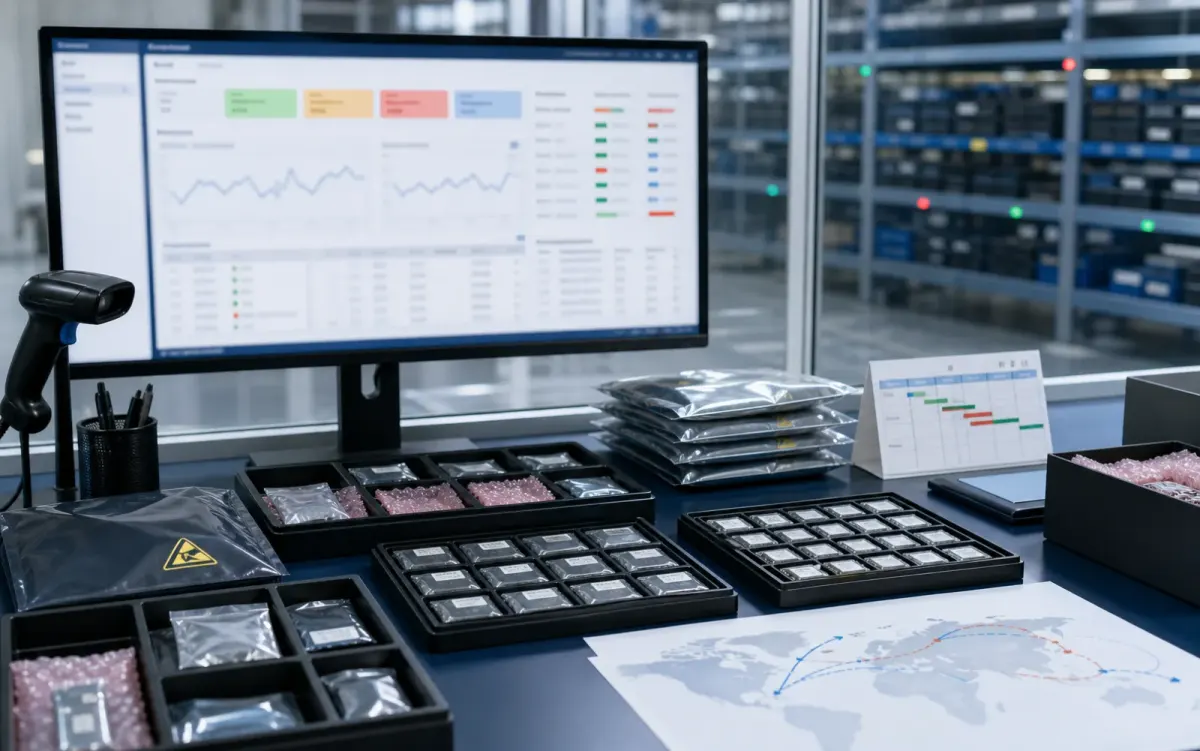
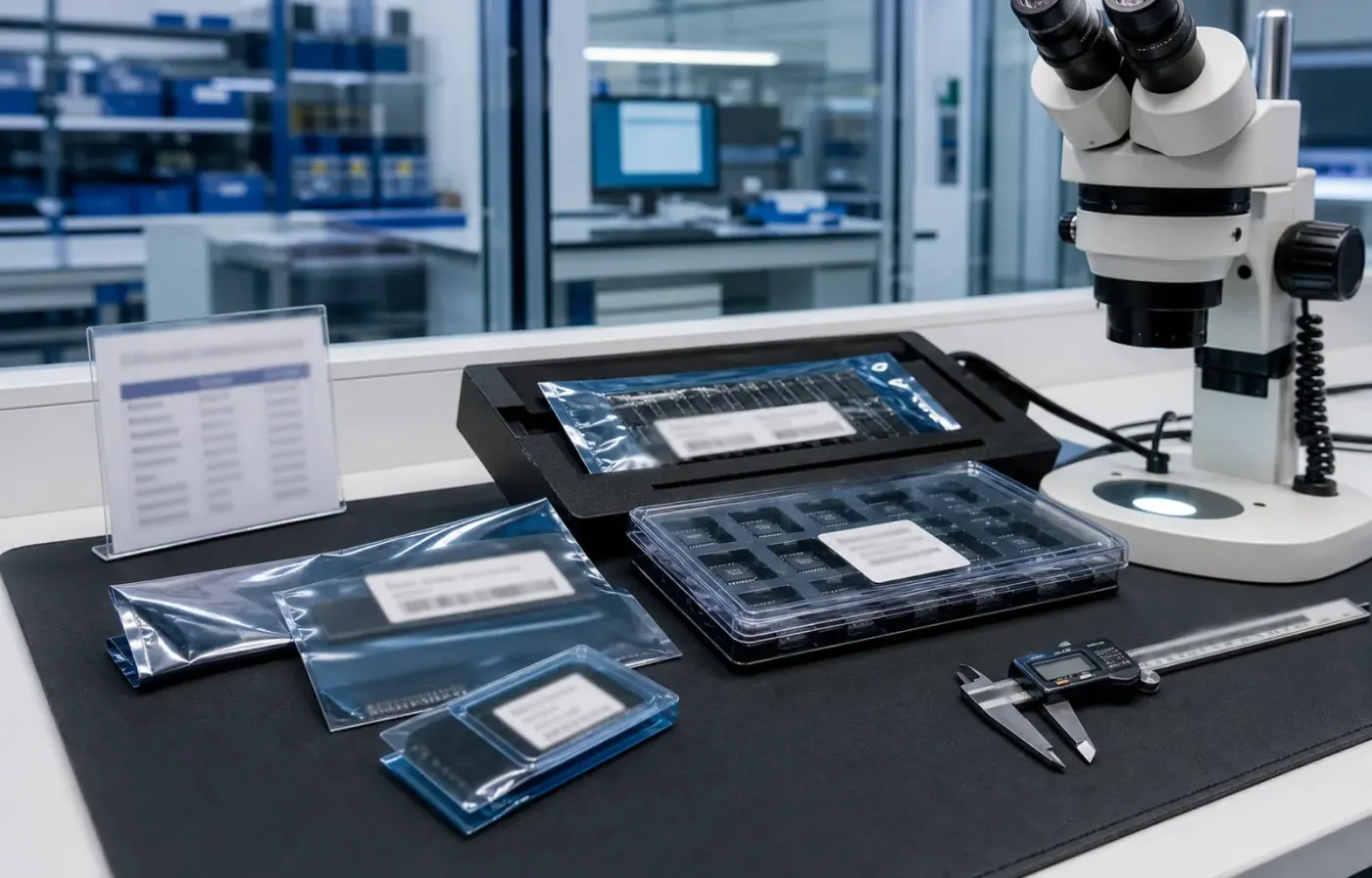
Electronic component sourcing availability dashboard with ESD-protected samples

Sourcing availability signal

Stock routes, quotation confidence, lead-time notes, and shipment feasibility are checked before sales follow-up.

Buyer sourcing scenarios

Examples of how common component sourcing requests are organized.

Typical RFQ scenarios based on the WMSIC form fields, catalog data, manual review steps, and shipment preparation workflow.

The buyer shares the full part number, package requirement, quantity, destination, and available product photos so the quotation can record the exact version under review.

Package confirmation Typical RFQ workflow

A multi-line BOM is organized into direct sourcing lines, lines that need package clarification, and lines where alternative-part review is permitted.

Mixed BOM triage Typical RFQ workflow

The original manufacturer part number, datasheet revision, application, critical limits, and acceptable changes are collected before possible candidates are discussed.

Obsolete-part review Typical RFQ workflow

Sample quantity, minimum packing, package format, target date, and courier destination are kept together in one RFQ conversation.

Small-batch request Typical RFQ workflow

Package photos, model markings, board context, and the quantity needed for repair help focus the sourcing review on the relevant version.

Repair batch evidence Typical RFQ workflow

When a suffix or package note is incomplete, the response records the open difference and requests buyer confirmation before procurement proceeds.

Model suffix clarification Typical RFQ workflow

Packing format, carton notes, invoice details, courier option, destination, and tracking handoff are coordinated around the confirmed order.

Export handoff Typical RFQ workflow

The request connects the previously used model, current demand, package evidence, target timing, and replenishment sourcing route.

Replenishment inquiry Typical RFQ workflow

Related products

Packaged components ready for RFQ.