WMSIC Electronic Components

YANGJIE S9014-H S9014

ModelS9014-H
PackageSOT-23
BrandYANGJIE
Price Price on request Electronic component prices change quickly with market supply and demand. Please refer to the latest WMSIC quotation for current pricing.
Configuration
1 options
Configuration 26+

Available for RFQ

Technical data

Product details

19 specifications

Core information

Product name
YANGJIE S9014-H
Type
SOT-23
Minimum package
3000 圆盘

Technical parameters

Electronic Component
YANGJIE
Electronic Component
S9014-H
Electronic Component
1
Package
SOT-23
Electronic Component
0.034g
Electronic Component
1
Electronic Component
BM0266209158
Electronic Component
3000
models
S9014-H
version
1
prompt_id
15
package_id
42
image_model
gpt-image-2.5-flare
master_path
chengming/packages/42/cm-master-zh/e74d8c7408a72be1112592afb09f1ab1bc8c386755136c62d0329761e186f161.png

For datasheets, package documents, compatible-part guidance, or other technical resources, contact WMSIC customer service. Availability is confirmed case by case.

S9014-H NPN型三极管产品概述

S9014-H是扬杰科技(YANGJIE)推出的一款中小信号NPN双极结型晶体管(BJT),针对低功耗、高密度电路设计需求优化,继承经典S9014系列的可靠性,同时强化了宽温适应性与参数一致性,广泛应用于消费电子、工业控制及便携设备的信号放大与低速开关场景。

一、产品定位与品牌背景

扬杰科技作为国内功率半导体器件领域的主流厂商,专注于功率器件、小信号器件的研发与量产,其小信号三极管系列以高性价比、稳定一致性为核心优势。S9014-H是该系列的升级型号,针对量产需求优化了工艺稳定性,确保批量产品的电气参数偏差控制在极小范围内,适合电子设备的标准化设计。

二、核心电气参数详解

S9014-H的参数设计兼顾安全裕量与应用灵活性,关键参数如下:

1. 极限参数(确保电路安全工作的边界值)

  • 集射极击穿电压(VCEO):45V
    高于多数中小信号电路的工作电压(通常12V-24V),提供充足的安全裕量,避免电路过压损坏。
  • 最大集电极电流(IC):100mA
    满足中小功率驱动需求(如LED驱动、继电器控制),同时避免大电流导致的封装过热。
  • 最大耗散功率(Pd):200mW
    适配SOT-23小封装的散热能力,通过PCB铜箔可有效导出热量,适合低功耗连续工作场景。
  • 射基极击穿电压(VEBO):5V
    防止射极反向偏置时的击穿,保护器件免受反向电压冲击。
  • 工作温度范围:-55℃~+150℃
    覆盖工业级宽温要求,可应用于车载电子、高温环境下的传感器接口等场景。

2. 直流特性(典型工作点的性能表现)

  • 直流电流增益(hFE):200@1mA、5V
    在典型信号放大点(1mA集电极电流、5V集射电压)下,增益稳定在200左右,适合音频前置放大、传感器信号放大等需要较高放大倍数的场景。
  • 集电极截止电流(ICBO):100nA
    漏电流极小,低功耗特性突出,适合电池供电的便携设备(如智能手环、蓝牙耳机的辅助电路)。
  • 集射极饱和电压(VCE(sat)):300mV
    导通压降低,开关损耗小,适合低速开关应用(如按键扫描电路、LED闪烁控制)。

三、封装与物理特性

S9014-H采用SOT-23表面贴装封装,是目前中小信号器件的主流封装之一:

  • 尺寸优势:封装尺寸约为2.9mm×1.6mm×1.1mm,体积仅为传统TO-92插件封装的1/5,大幅提升PCB布局密度,适合小型化电子设备(如智能手机、智能手表)。
  • 引脚布局:标准SOT-23引脚顺序为「发射极(E)-基极(B)-集电极(C)」(从左到右俯视),与多数兼容型号一致,便于电路替换与升级。
  • 散热设计:封装底部与PCB铜箔直接接触,可通过增加铜箔面积提升散热效率,满足200mW耗散功率的连续工作需求。

四、典型应用场景

S9014-H的参数特性使其适配多种中小信号电路,核心应用包括:

  1. 信号放大电路:音频前置放大器、传感器信号调理(如温度传感器、压力传感器的弱信号放大);
  2. 低速开关电路:LED驱动(小功率LED)、继电器线圈控制(低电压驱动)、按键扫描电路(便携设备);
  3. 消费电子模块:手机/平板的电源管理辅助电路、蓝牙耳机的信号切换电路、智能家电的控制接口;
  4. 工业控制电路:车载电子的传感器接口、工业传感器的信号放大、低温环境下的控制电路(-55℃适应性)。

五、性能优势总结

S9014-H在同类器件中具有以下核心优势:

  • 宽温可靠性:-55℃~+150℃的工作范围,满足工业级与极端环境应用;
  • 低功耗特性:100nA的截止漏电流,适合电池供电设备的长续航需求;
  • 参数一致性:批量产品的hFE偏差控制在±10%以内,简化电路调试;
  • 小封装密度:SOT-23封装适配高密度PCB设计,符合电子设备小型化趋势;
  • 成本优势:扬杰科技的量产能力保障了性价比,适合大规模应用。

结语

S9014-H作为扬杰科技的经典小信号NPN三极管,以稳定的电气性能、宽温适应性、小封装密度为核心竞争力,是电子设计中常用的基础器件。无论是消费电子的便携化需求,还是工业控制的可靠性要求,均能提供可靠的解决方案,是替代进口同类器件的高性价比选择。

Request for quote

Send RFQ

Use the form for single models, category sourcing, and multi-line BOM requirements.

Send your target model and quantity.

Product sourcing intelligence

Model, package, availability, and BOM fit reviewed before quotation.

WMSIC turns product data, package visuals, BOM context, and sourcing signals into practical RFQ notes for buyers.

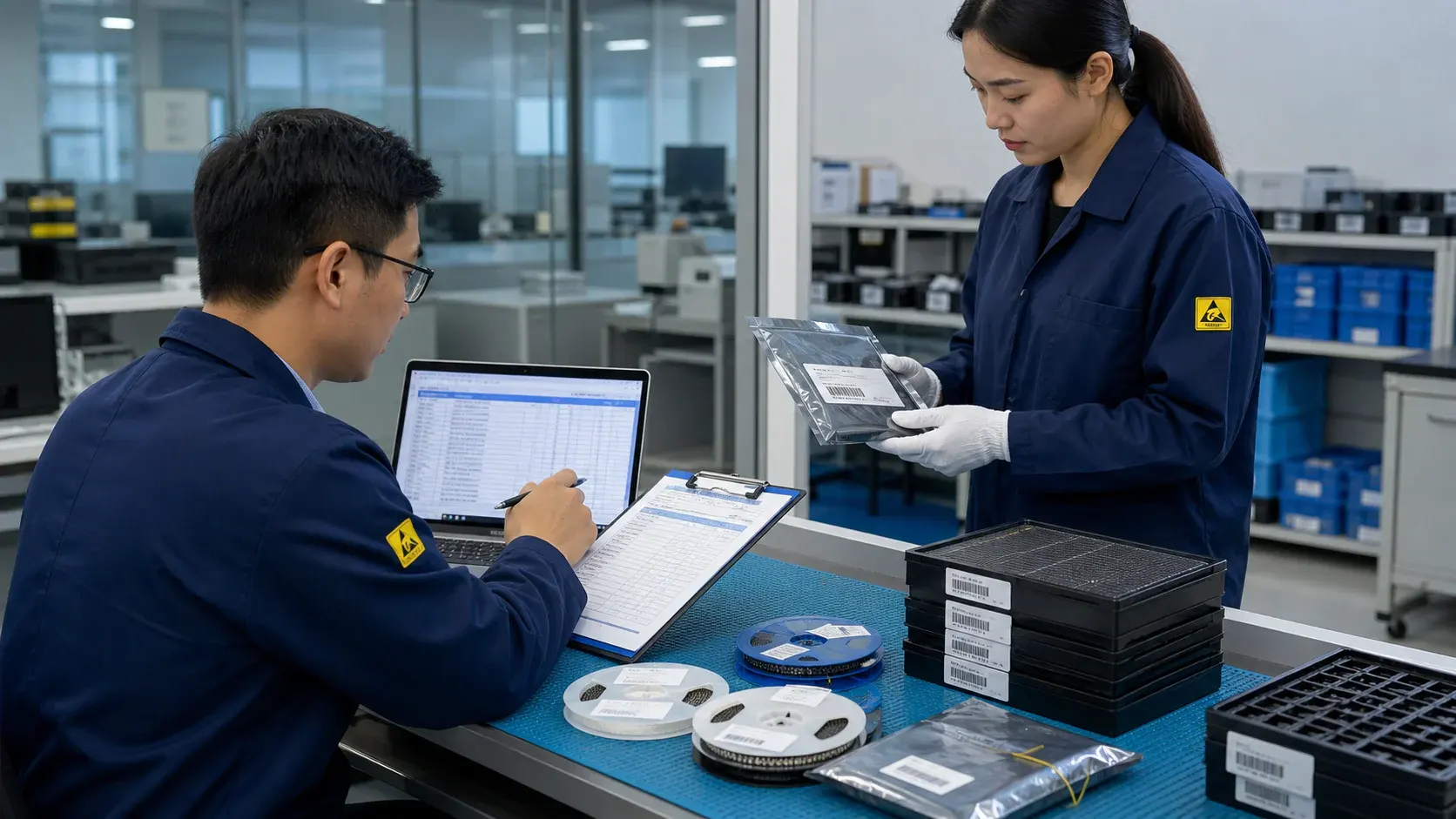
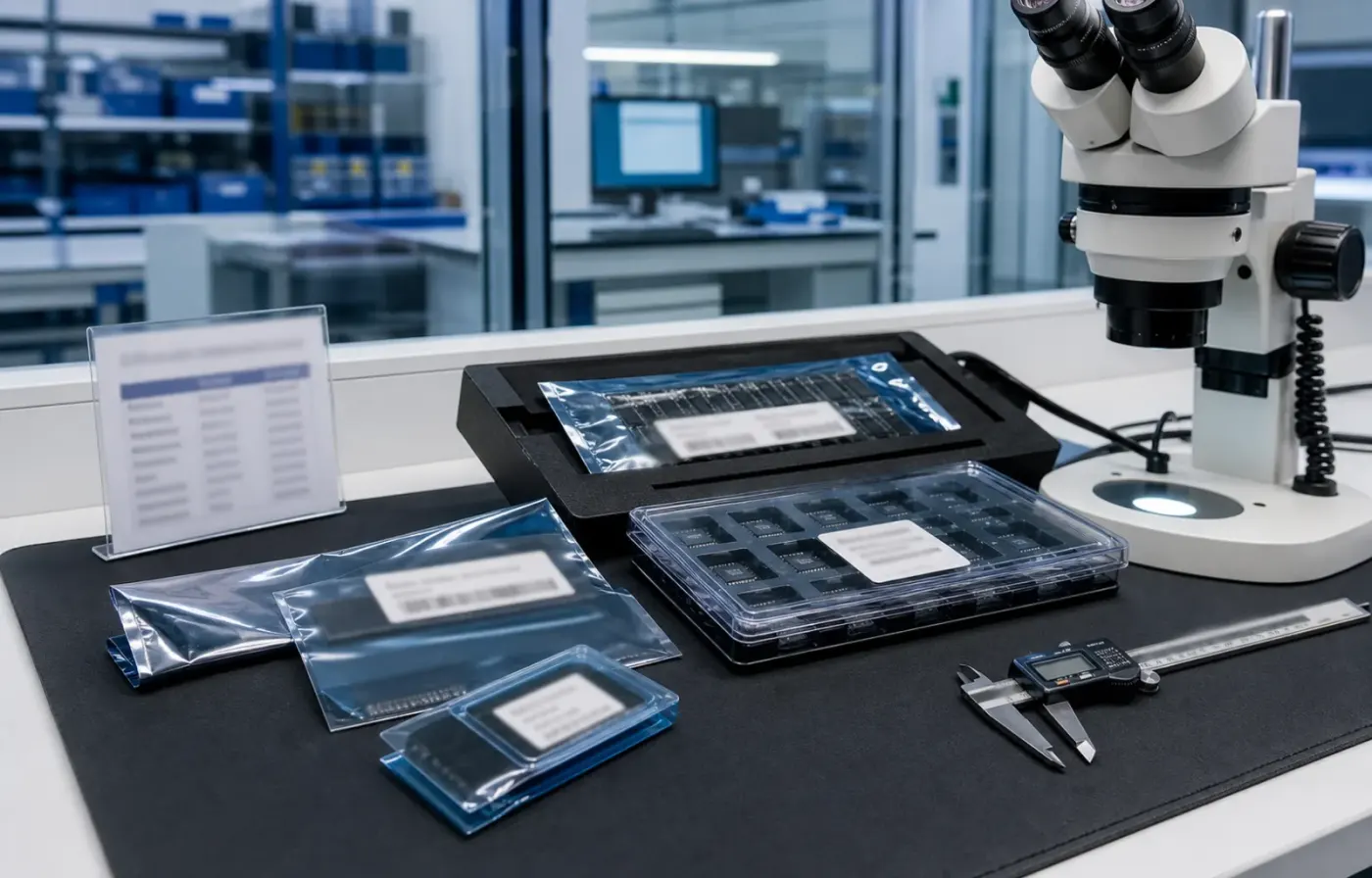
Electronic component model and package intelligence review on an ESD-safe inspection bench

Model & package intelligence

Model text, package form, tray or reel details, and visual evidence are reviewed together before RFQ feedback.

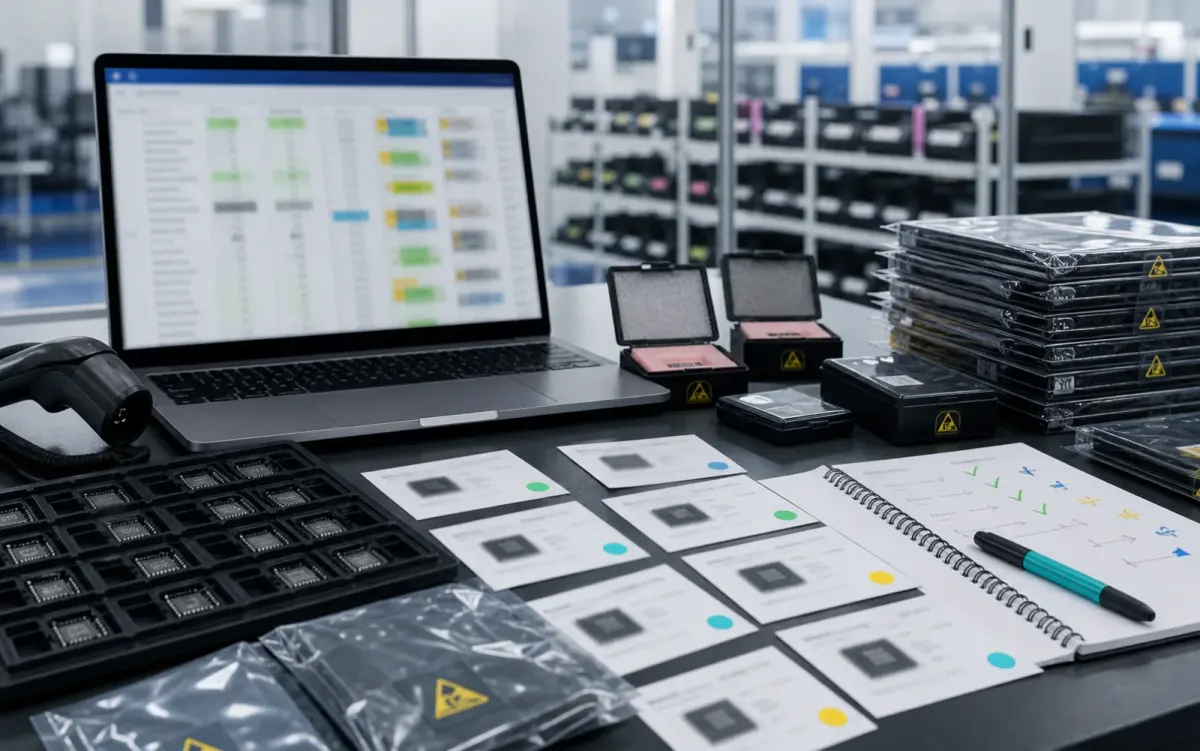
BOM matching and alternative component comparison workstation with protected IC samples

BOM matching & alternatives

BOM lines are compared by package, parameters, quantity, and workable alternatives for cleaner sourcing decisions.
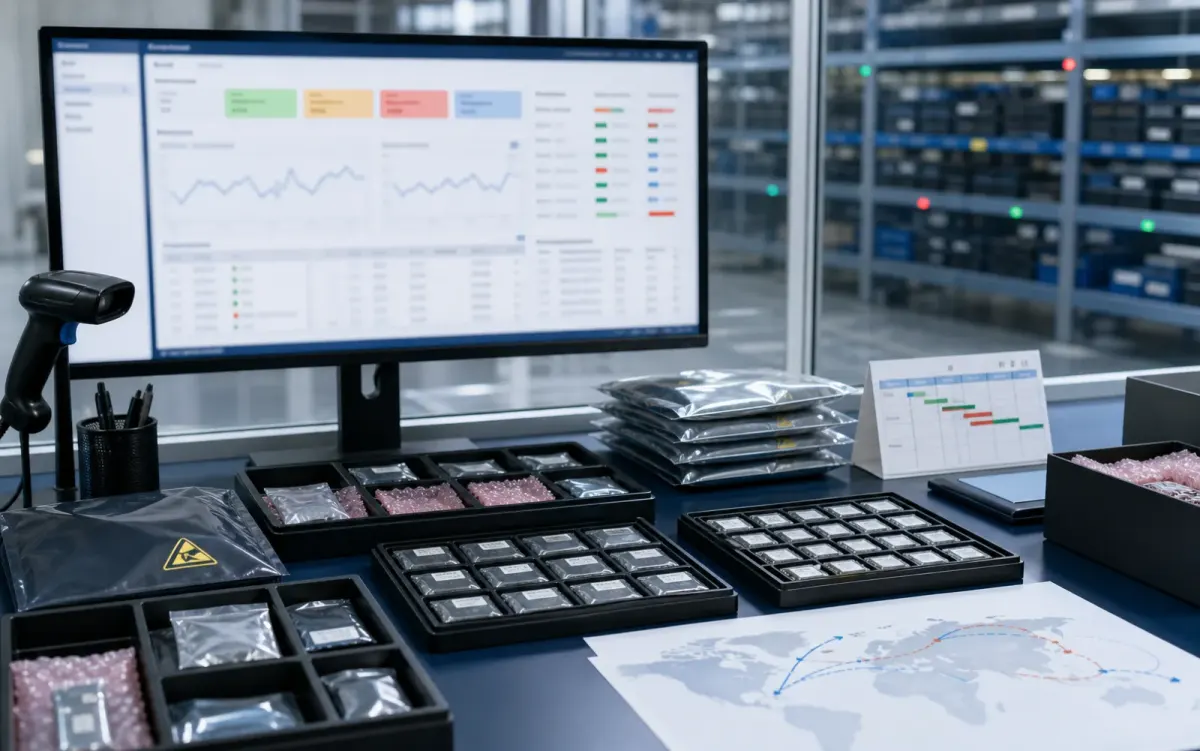
Electronic component sourcing availability dashboard with ESD-protected samples

Sourcing availability signal

Stock routes, quotation confidence, lead-time notes, and shipment feasibility are checked before sales follow-up.

Buyer sourcing scenarios

Examples of how common component sourcing requests are organized.

Typical RFQ scenarios based on the WMSIC form fields, catalog data, manual review steps, and shipment preparation workflow.

The buyer shares the full part number, package requirement, quantity, destination, and available product photos so the quotation can record the exact version under review.

Package confirmation Typical RFQ workflow

A multi-line BOM is organized into direct sourcing lines, lines that need package clarification, and lines where alternative-part review is permitted.

Mixed BOM triage Typical RFQ workflow

The original manufacturer part number, datasheet revision, application, critical limits, and acceptable changes are collected before possible candidates are discussed.

Obsolete-part review Typical RFQ workflow

Sample quantity, minimum packing, package format, target date, and courier destination are kept together in one RFQ conversation.

Small-batch request Typical RFQ workflow

Package photos, model markings, board context, and the quantity needed for repair help focus the sourcing review on the relevant version.

Repair batch evidence Typical RFQ workflow

When a suffix or package note is incomplete, the response records the open difference and requests buyer confirmation before procurement proceeds.

Model suffix clarification Typical RFQ workflow

Packing format, carton notes, invoice details, courier option, destination, and tracking handoff are coordinated around the confirmed order.

Export handoff Typical RFQ workflow

The request connects the previously used model, current demand, package evidence, target timing, and replenishment sourcing route.

Replenishment inquiry Typical RFQ workflow

Related products

Packaged components ready for RFQ.