WMSIC Electronic Components

YANGJIE BAT54AQ

ModelBAT54AQ
PackageSOT-23
BrandYANGJIE
Price Price on request Electronic component prices change quickly with market supply and demand. Please refer to the latest WMSIC quotation for current pricing.
Configuration
1 options
Configuration 26+

Available for RFQ

Technical data

Product details

19 specifications

Core information

Product name
YANGJIE BAT54AQ
Type
SOT-23
Minimum package
3000 圆盘

Technical parameters

Electronic Component
YANGJIE
Electronic Component
BAT54AQ
Electronic Component
1
Package
SOT-23
Electronic Component
0.034g
Electronic Component
1
Electronic Component
BM0264397965
Electronic Component
3000
models
BAT54AQ
version
1
prompt_id
15
package_id
42
image_model
gpt-image-2.5-flare
master_path
chengming/packages/42/cm-master-zh/e74d8c7408a72be1112592afb09f1ab1bc8c386755136c62d0329761e186f161.png

For datasheets, package documents, compatible-part guidance, or other technical resources, contact WMSIC customer service. Availability is confirmed case by case.

BAT54AQ 产品概述

BAT54AQ 是一款双二极管器件(1 对共阳极,常称“共阳”或“共阳极”配置),适用于低电压快速整流、信号钳位及保护电路。器件属肖特基结构,具有低正向压降与快速恢复特性(基于 BAT54 系列特性,同时按下列参数工作),可在便携式电源、电平移位、输入防护等场合发挥作用。厂商:YANGJIE(扬杰);封装型号未定(需采购时确认具体封装与引脚定义)。

一. 关键电气参数(依据给定规格)

  • 二极管配置:1 对共阳极(两只二极管的阳极连接在一起)
  • 正向压降(Vf):1.0 V @ 100 mA
  • 直流反向耐压(Vr):30 V
  • 额定整流电流(IF):200 mA(连续)
  • 反向漏电流(Ir):2 µA @ 25 V
  • 工作结温范围:-55 ℃ ~ +125 ℃
  • 非重复峰值浪涌电流(Ifsm):3 A(单次脉冲)
  • 器件类型:肖特基二极管(BAT54 系列)

注:上述数值基于所给参数和 BAT54 系列通用特性。实际器件的典型曲线、封装热阻等信息需参见扬杰(YANGJIE)提供的完整数据手册以作最终设计依据。

二. 特性亮点与设计要点

  • 低正向压降:在小信号和低压差应用中可降低导通损耗与电压降,但在 100 mA 时 Vf 达到 1.0 V,设计时应按此值考虑功耗与热耗散。
  • 低反向漏流:2 µA@25 V 的反向电流适合要求较低静态泄漏的检测与保护电路。
  • 宽工作温度:-55 ℃ 至 +125 ℃,可适用于工业级环境(但长时间在高温下工作需考虑热应力与寿命退化)。
  • 峰值冲击能力:3 A 的非重复峰值浪涌能力允许器件承受短时浪涌(如开机瞬态或电流尖峰),但不得作为长期运行条件。

三. 典型应用场景

  • 低压整流与电源回路:在便携式电源或小电流整流场合,用作低压差整流器或整流桥单元。
  • 信号钳位与电平移位:快速钳位输入信号,防止电压超过逻辑器件承受范围,或实现电平移位保护。
  • 输入反接与瞬态保护:与电阻、电容或 TVS 一起配合,用于防止错误接线或浪涌冲击。
  • 二极管逻辑与混合信号接口:用于阻断/合并信号通路或简单的“或”功能,尤其在空间受限的双二极管封装中便于布局。

四. 布局与热管理建议

  • 引脚与器件间距:确保两条正向电流回路的走线宽且短,以减少串联电阻与局部发热。
  • 散热考虑:尽管器件额定整流电流为 200 mA,长时间在高电流与高环境温度下工作会导致结温上升。建议在 PCB 设计中适当扩展铜箔面积或使用热层,以利散热。
  • 去耦与滤波:在用于开关电源或快速信号环境时,靠近器件放置旁路电容有助于抑制高频振铃与瞬态应力。
  • 焊接与安装:遵循供应商推荐的回流焊温度曲线,避免过高的温度和过长的回流时间以免影响可靠性。

五. 使用注意事项与设计警示

  • 电流与功耗:按 Vf 与 IF 计算功耗(P = Vf × IF);例如 100 mA 时约 0.1 W。长期在高温环境或接近最大额定电流下运行需降额,避免结温过高。
  • 反向电压裕度:额定 Vr 为 30 V,设计时应留有安全裕度,避免在再生、浪涌或负载切换时出现超过 Vr 的瞬态电压。
  • 峰值浪涌限制:Ifsm=3 A 为非重复峰值能力,不可作为频繁脉冲或重复冲击的运行条件。
  • 封装与引脚:当前封装信息未知;不同封装(SOT-23、SOD-523 等)热阻与引脚排列不同,采购前务必确认封装型号与引脚定义以免接错共阳极端。

六. 选型与采购建议

  • 验证型号:BAT54AQ 名称通常标识 BAT54 系列的双二极管变体,“Q” 后缀可能指特定引脚排列(如共阳或共阴)。请向扬杰(YANGJIE)索取完整数据手册与封装图,确认引脚、封装与合格证书。
  • 样品测试:在批量采用前,建议在目标电路中做温升与老化测试,验证在最大工况下的稳态参数与可靠性。
  • 替代与兼容:若需要更低 Vf 或更高电流能力,可考虑其他肖特基或小信号二极管替代件;但需确认漏电流、恢复特性与封装兼容性。

总结:BAT54AQ(YANGJIE)作为一款双肖特基二极管(1 对共阳极),在低压快速整流、信号钳位与输入保护上具有明显优势。设计时应结合给定的 Vf、Vr、IF、Ir 与 Ifsm 参数进行热与电气降额,确认封装与引脚后方可进入产品化应用。

Request for quote

Send RFQ

Use the form for single models, category sourcing, and multi-line BOM requirements.

Send your target model and quantity.

Product sourcing intelligence

Model, package, availability, and BOM fit reviewed before quotation.

WMSIC turns product data, package visuals, BOM context, and sourcing signals into practical RFQ notes for buyers.

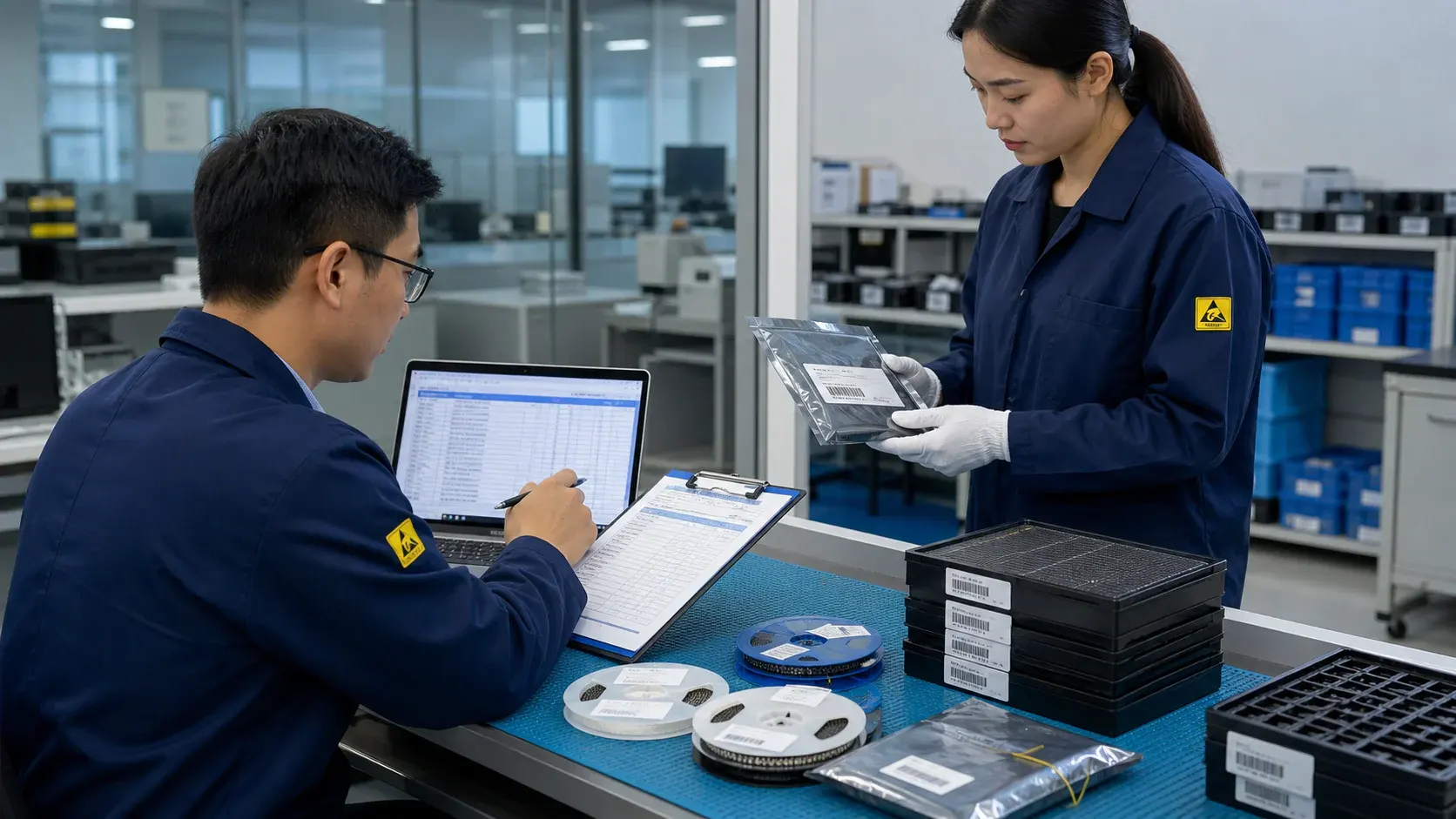
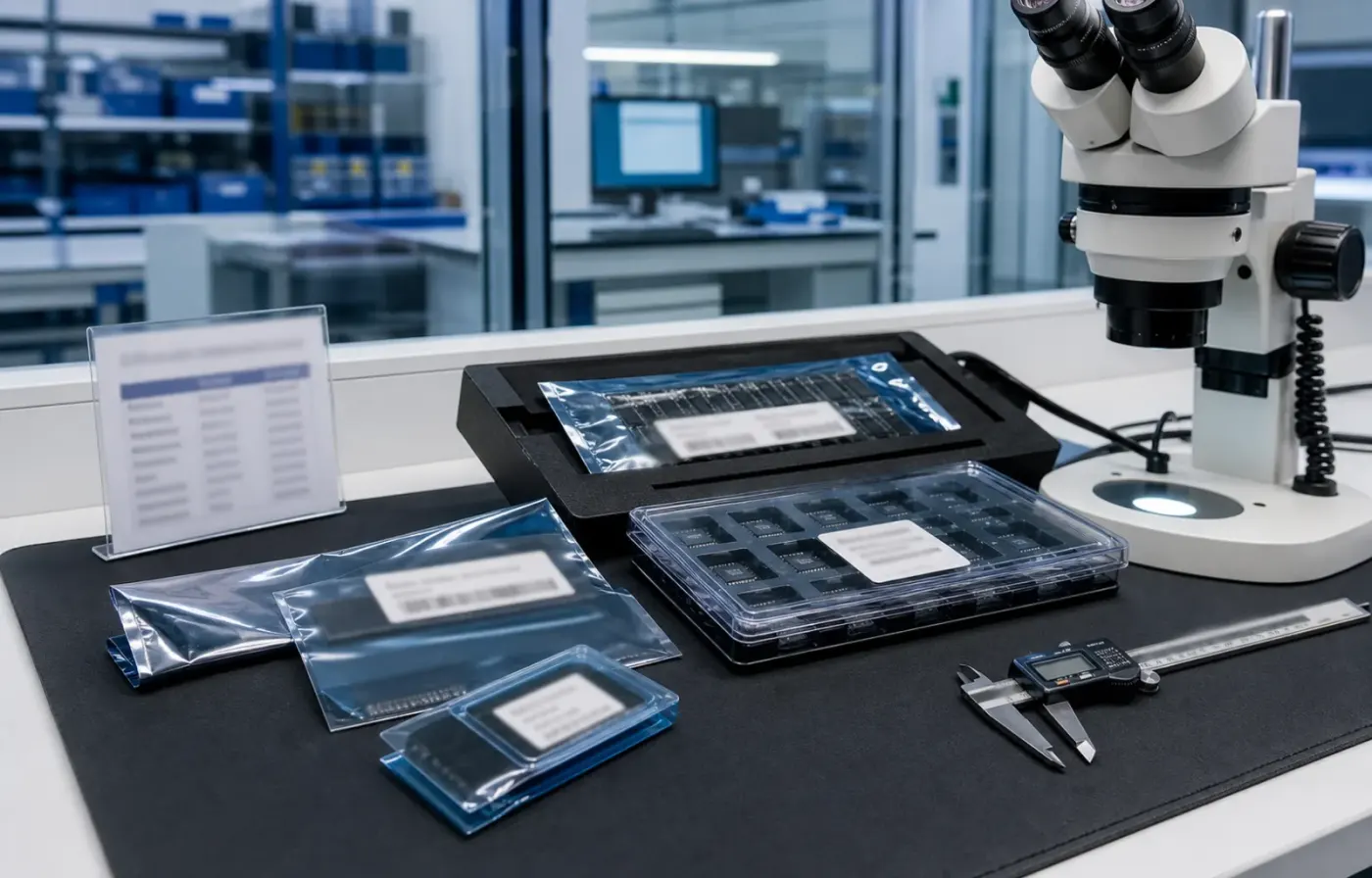
Electronic component model and package intelligence review on an ESD-safe inspection bench

Model & package intelligence

Model text, package form, tray or reel details, and visual evidence are reviewed together before RFQ feedback.

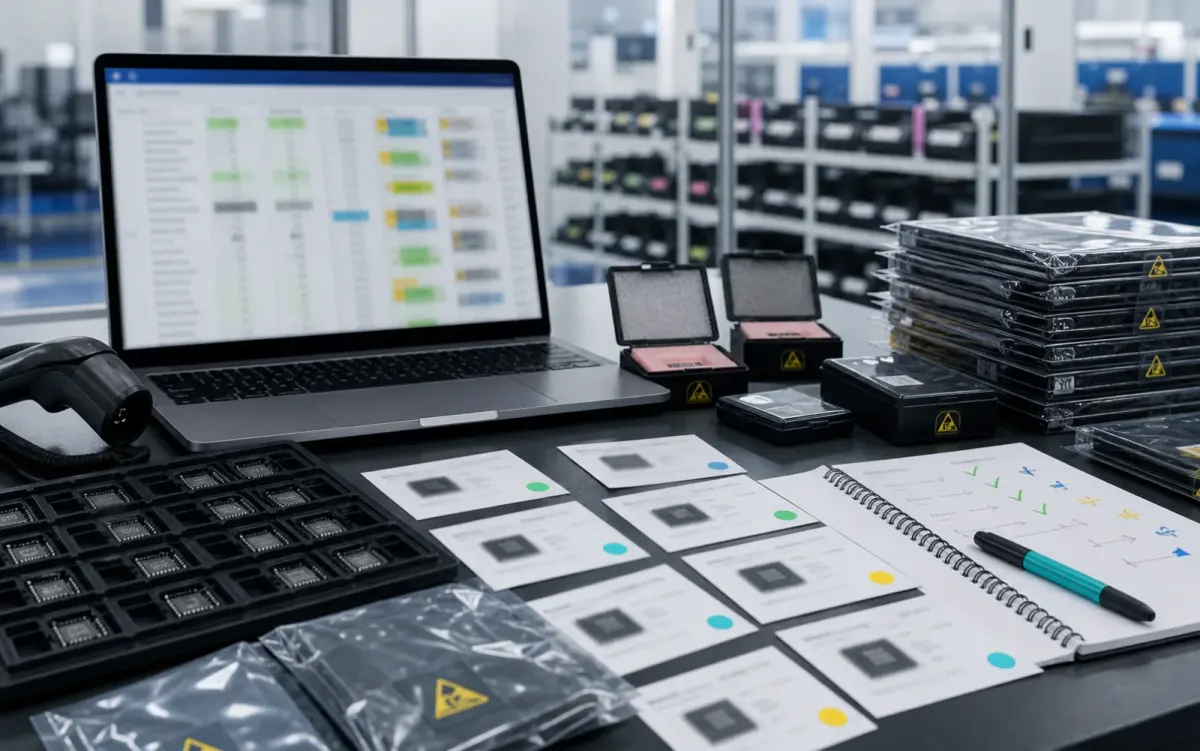
BOM matching and alternative component comparison workstation with protected IC samples

BOM matching & alternatives

BOM lines are compared by package, parameters, quantity, and workable alternatives for cleaner sourcing decisions.
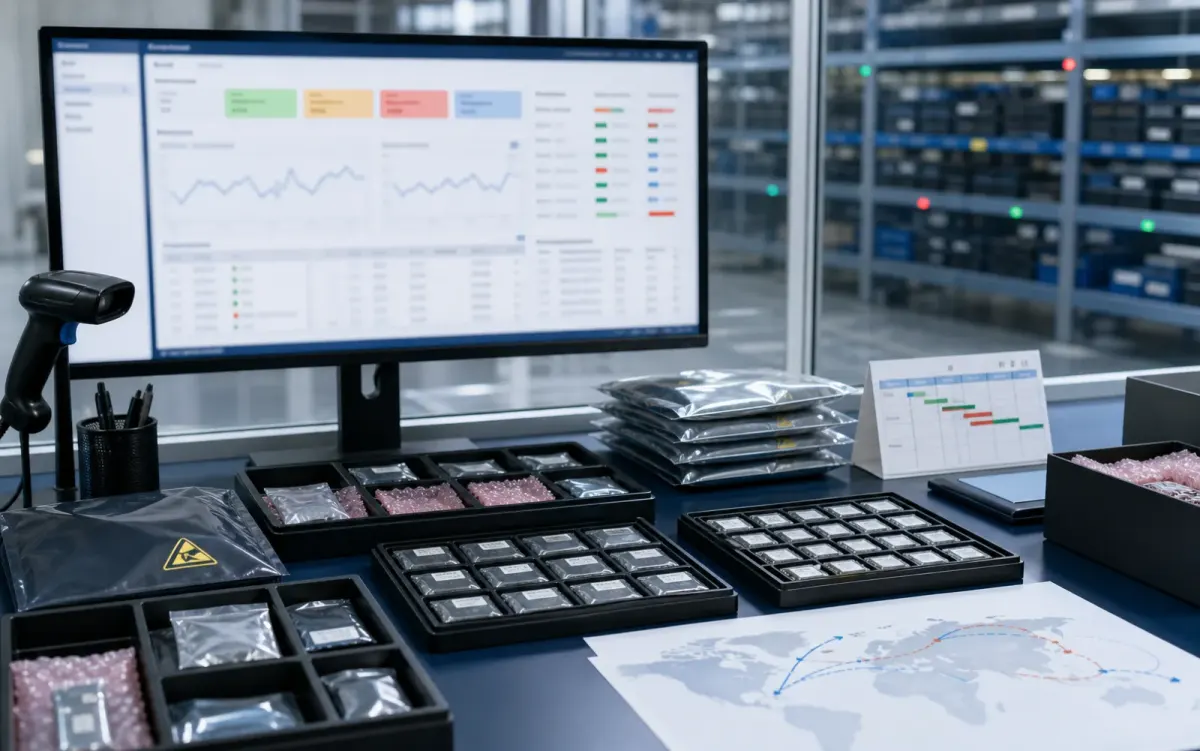
Electronic component sourcing availability dashboard with ESD-protected samples

Sourcing availability signal

Stock routes, quotation confidence, lead-time notes, and shipment feasibility are checked before sales follow-up.

Buyer sourcing scenarios

Examples of how common component sourcing requests are organized.

Typical RFQ scenarios based on the WMSIC form fields, catalog data, manual review steps, and shipment preparation workflow.

The buyer shares the full part number, package requirement, quantity, destination, and available product photos so the quotation can record the exact version under review.

Package confirmation Typical RFQ workflow

A multi-line BOM is organized into direct sourcing lines, lines that need package clarification, and lines where alternative-part review is permitted.

Mixed BOM triage Typical RFQ workflow

The original manufacturer part number, datasheet revision, application, critical limits, and acceptable changes are collected before possible candidates are discussed.

Obsolete-part review Typical RFQ workflow

Sample quantity, minimum packing, package format, target date, and courier destination are kept together in one RFQ conversation.

Small-batch request Typical RFQ workflow

Package photos, model markings, board context, and the quantity needed for repair help focus the sourcing review on the relevant version.

Repair batch evidence Typical RFQ workflow

When a suffix or package note is incomplete, the response records the open difference and requests buyer confirmation before procurement proceeds.

Model suffix clarification Typical RFQ workflow

Packing format, carton notes, invoice details, courier option, destination, and tracking handoff are coordinated around the confirmed order.

Export handoff Typical RFQ workflow

The request connects the previously used model, current demand, package evidence, target timing, and replenishment sourcing route.

Replenishment inquiry Typical RFQ workflow

Related products

Packaged components ready for RFQ.