
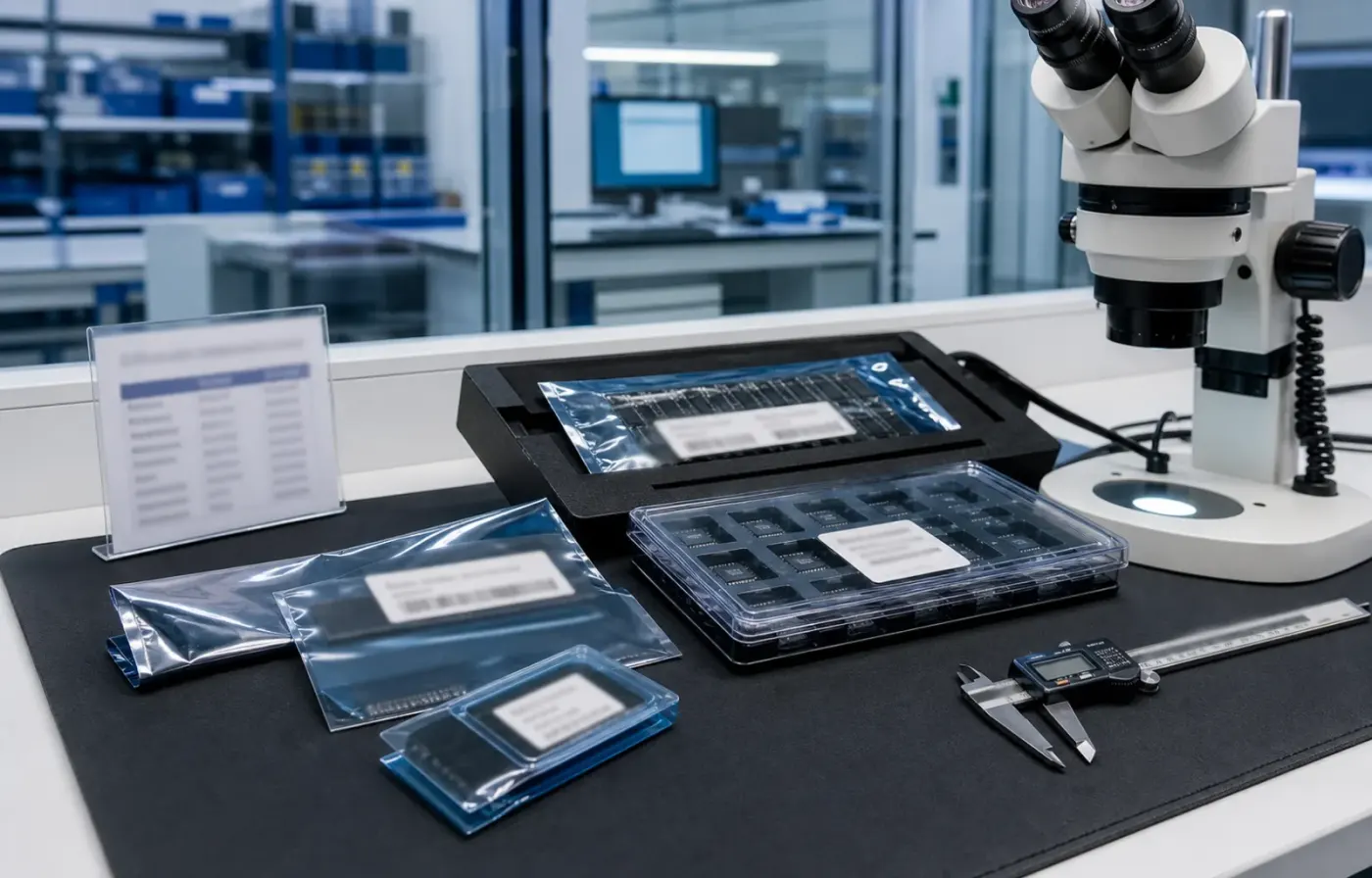
Model & package intelligence
Model text, package form, tray or reel details, and visual evidence are reviewed together before RFQ feedback.
 WMSIC
Electronic Components
Available for RFQ
Technical data
For datasheets, package documents, compatible-part guidance, or other technical resources, contact WMSIC customer service. Availability is confirmed case by case.
BZT52C3V9 是扬杰(YANGJIE)生产的稳压(齐纳)二极管,标称稳压值为 3.9V,采用 SOD-123 表面贴装封装,适合作为低功耗、小尺寸的基准/稳压和浪涌钳位元件。器件设计用于在反向工作区提供稳定的电压基准,额定耗散功率为 500mW,适合便携、通信和消费电子等空间受限的应用场景。
SOD-123 为小型 SMD 封装,适合自动贴装与回流焊。长期可靠性需关注焊接温度曲线、焊接材料兼容性及湿敏等级(MSL)。工作结温范围宽(-55~+150 ℃),在高温应用中仍需注意功率降额与热循环应力。
在选型时应同时比较稳压值精度、动态阻抗、最大耗散功率及封装散热能力。若应用需要更低阻抗或更高精度的基准,考虑使用专用低噪声基准源或更高功率/更低阻抗的齐纳型号。对于相同封装和功率等级,可在厂商产品族中寻找等效型号,注意参数匹配。
总结:BZT52C3V9 是一款面向小功率应用的 3.9V 齐纳稳压二极管,适合做简单的基准或钳位元件。在实际应用中应关注动态阻抗、功耗与热管理,并根据负载与精度要求合理选取稳压电流与限流元件。若需进一步的典型曲线、封装尺寸或电气特性曲线,请参考扬杰官方规格书。
Request for quote
Use the form for single models, category sourcing, and multi-line BOM requirements.
Product sourcing intelligence
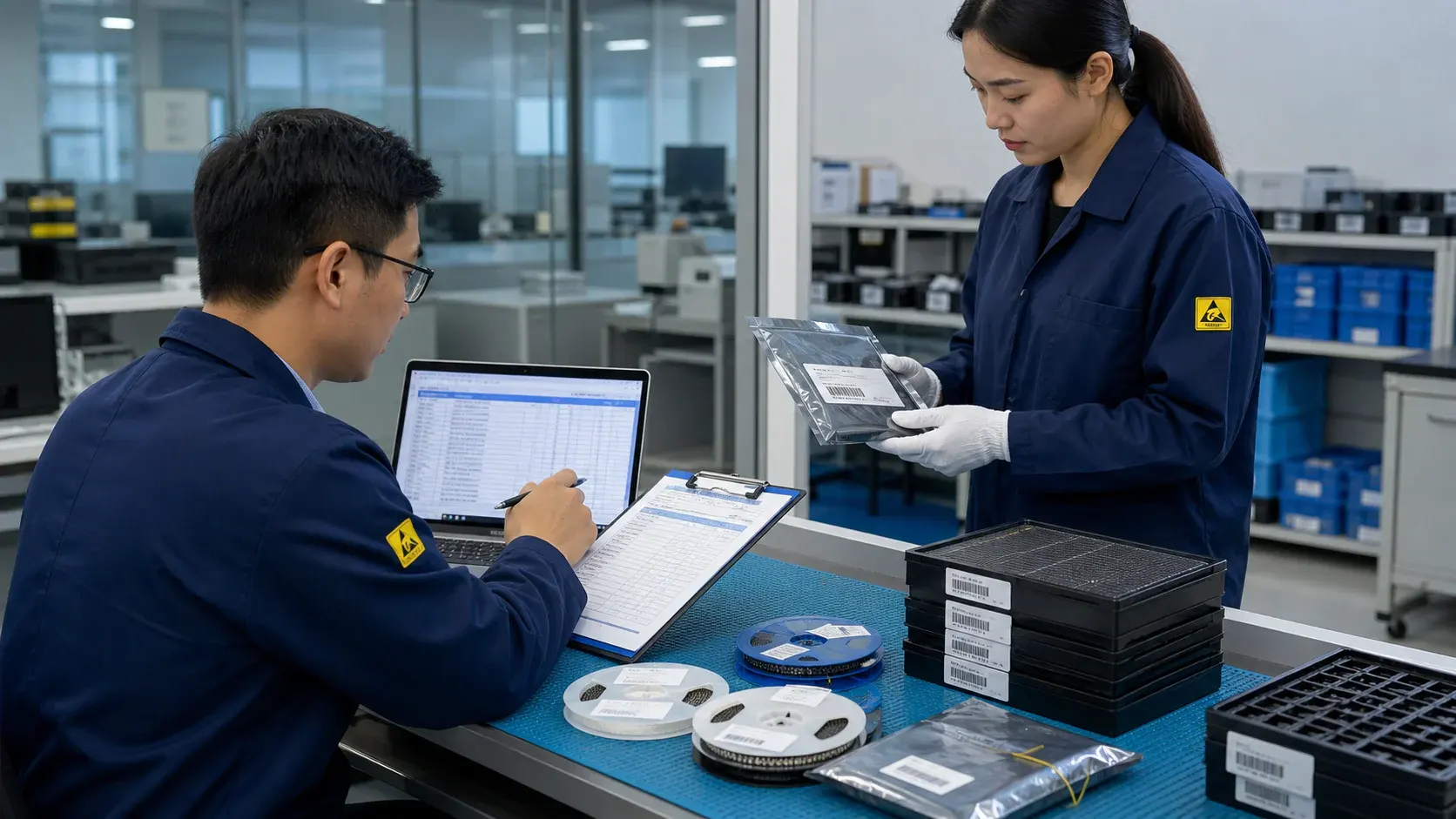
WMSIC turns product data, package visuals, BOM context, and sourcing signals into practical RFQ notes for buyers.
Model text, package form, tray or reel details, and visual evidence are reviewed together before RFQ feedback.
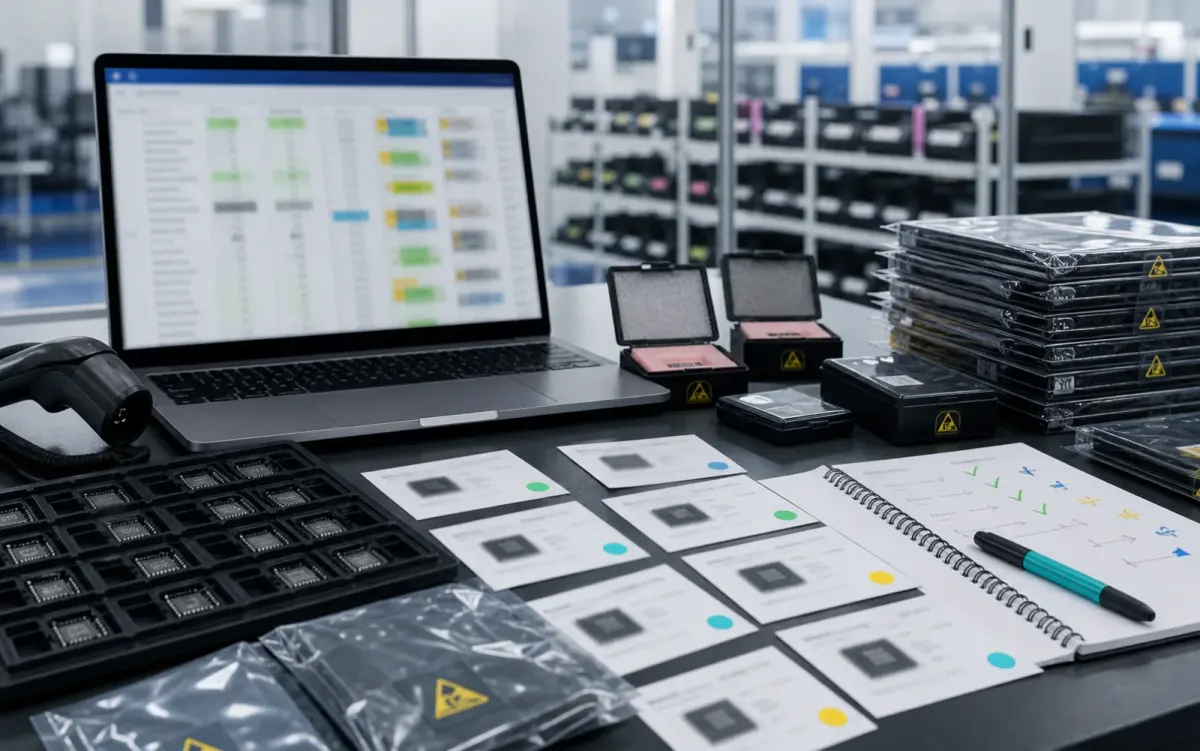
BOM lines are compared by package, parameters, quantity, and workable alternatives for cleaner sourcing decisions.
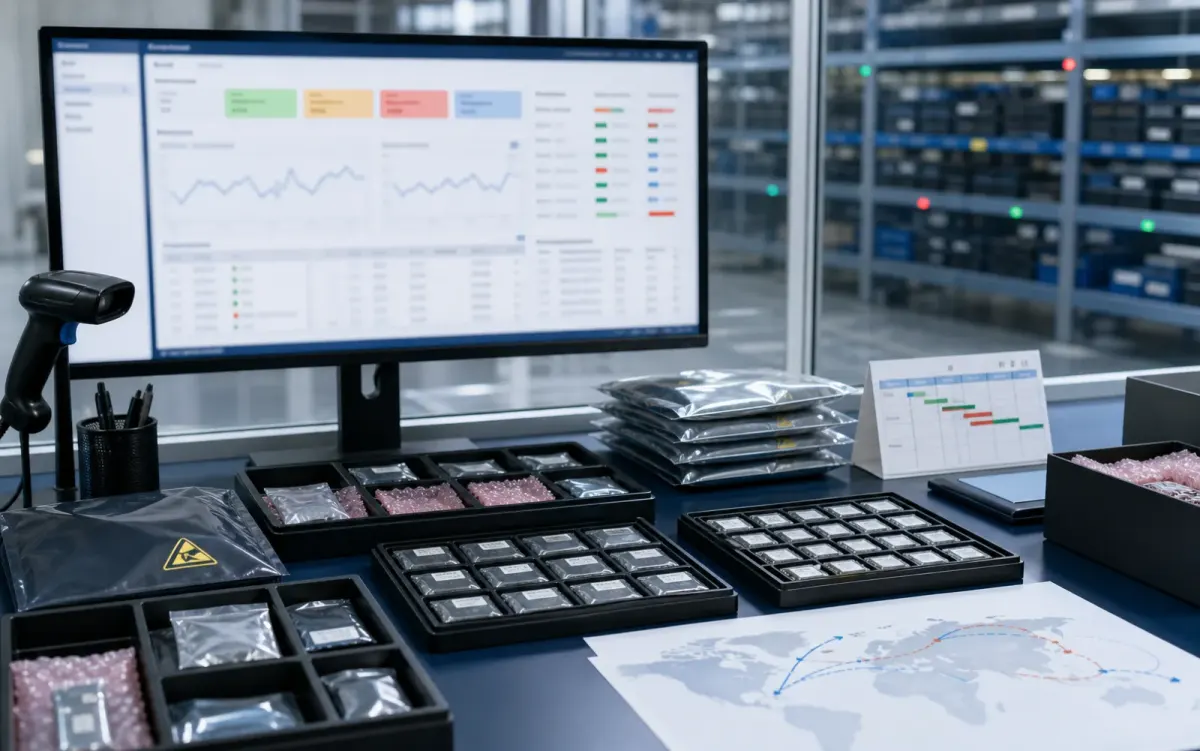
Stock routes, quotation confidence, lead-time notes, and shipment feasibility are checked before sales follow-up.
Buyer sourcing scenarios
Typical RFQ scenarios based on the WMSIC form fields, catalog data, manual review steps, and shipment preparation workflow.
The buyer shares the full part number, package requirement, quantity, destination, and available product photos so the quotation can record the exact version under review.
A multi-line BOM is organized into direct sourcing lines, lines that need package clarification, and lines where alternative-part review is permitted.
The original manufacturer part number, datasheet revision, application, critical limits, and acceptable changes are collected before possible candidates are discussed.
Sample quantity, minimum packing, package format, target date, and courier destination are kept together in one RFQ conversation.
Package photos, model markings, board context, and the quantity needed for repair help focus the sourcing review on the relevant version.
When a suffix or package note is incomplete, the response records the open difference and requests buyer confirmation before procurement proceeds.
Packing format, carton notes, invoice details, courier option, destination, and tracking handoff are coordinated around the confirmed order.
The request connects the previously used model, current demand, package evidence, target timing, and replenishment sourcing route.
Related products


