
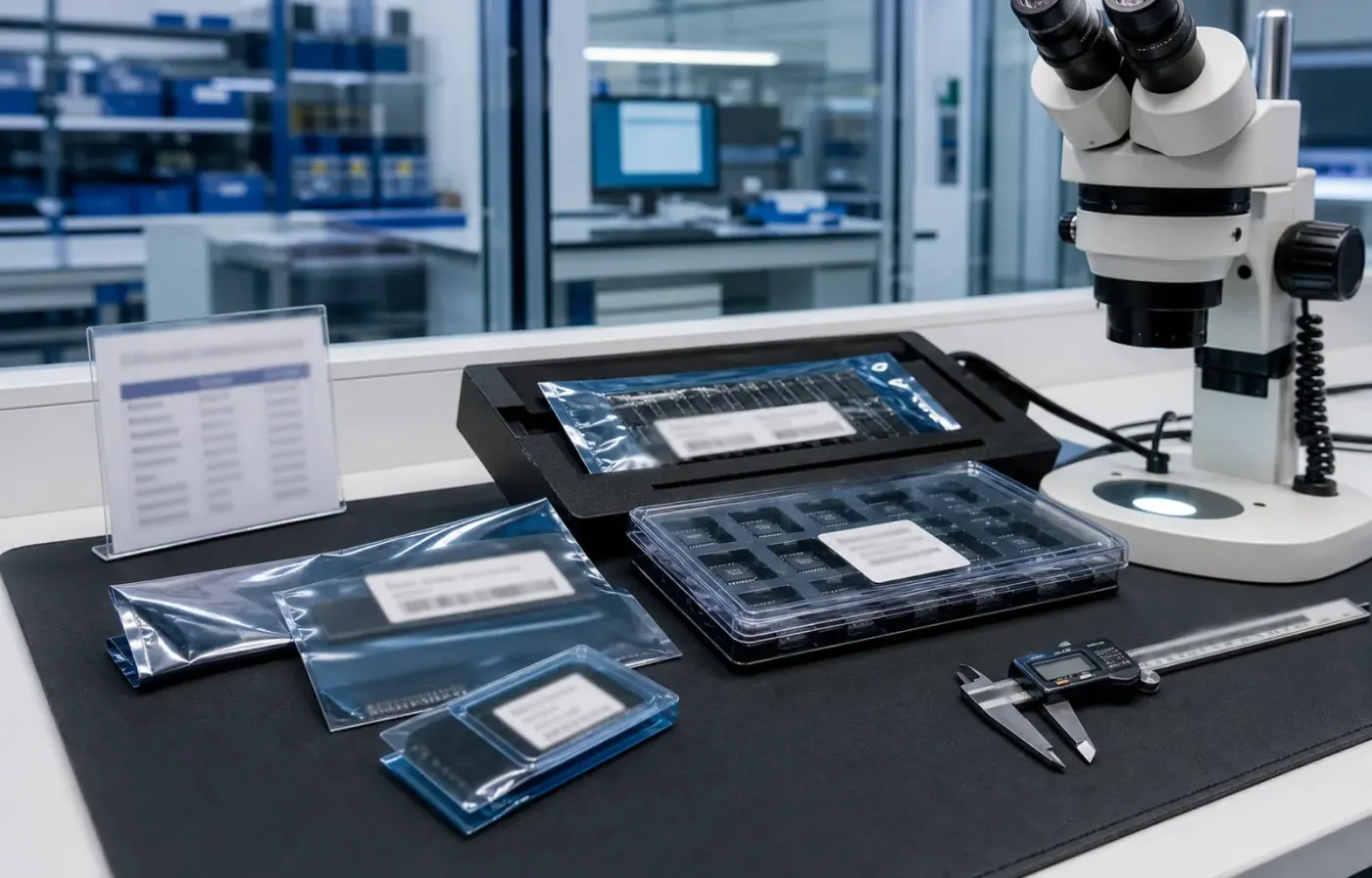
Model & package intelligence
Model text, package form, tray or reel details, and visual evidence are reviewed together before RFQ feedback.
 WMSIC
Electronic Components
WMSIC
Electronic Components
Available for RFQ
Technical data
For datasheets, package documents, compatible-part guidance, or other technical resources, contact WMSIC customer service. Availability is confirmed case by case.
NTS2101PT1G-MS 是美森科(MSKSEMI)推出的一款小型化 P 沟道增强型 MOSFET,采用 SOT-323-3(SOT-323)封装,面向空间受限、需要高侧开关或反向保护的便携式与工业电子应用。器件额定漏源电压为 20V,工作温度范围宽(-55℃ ~ +150℃),适合苛刻环境下的可靠工作。
SOT-323-3 为超小型塑封,热阻较大,器件的耗散功率(Pd=312 mW)在实际电路中受 PCB 铜箔面积与散热条件限制。设计时建议:
器件规定的宽温范围和中等功耗能力使其适合工业级应用,但受限于小尺寸封装,长期高温、高电流下需谨慎评估。进行热仿真并考虑散热措施、工作循环与安全裕度,可有效提升系统可靠性。
总结:NTS2101PT1G-MS 在超小封装下提供了较低的导通阻抗与适中的开关特性,适合用于空间受限的高侧开关、反向保护和便携电源管理场景。设计时关注栅驱动电压、PCB 散热与保护电路,可以在保证可靠性的前提下发挥其优势。
Request for quote
Use the form for single models, category sourcing, and multi-line BOM requirements.
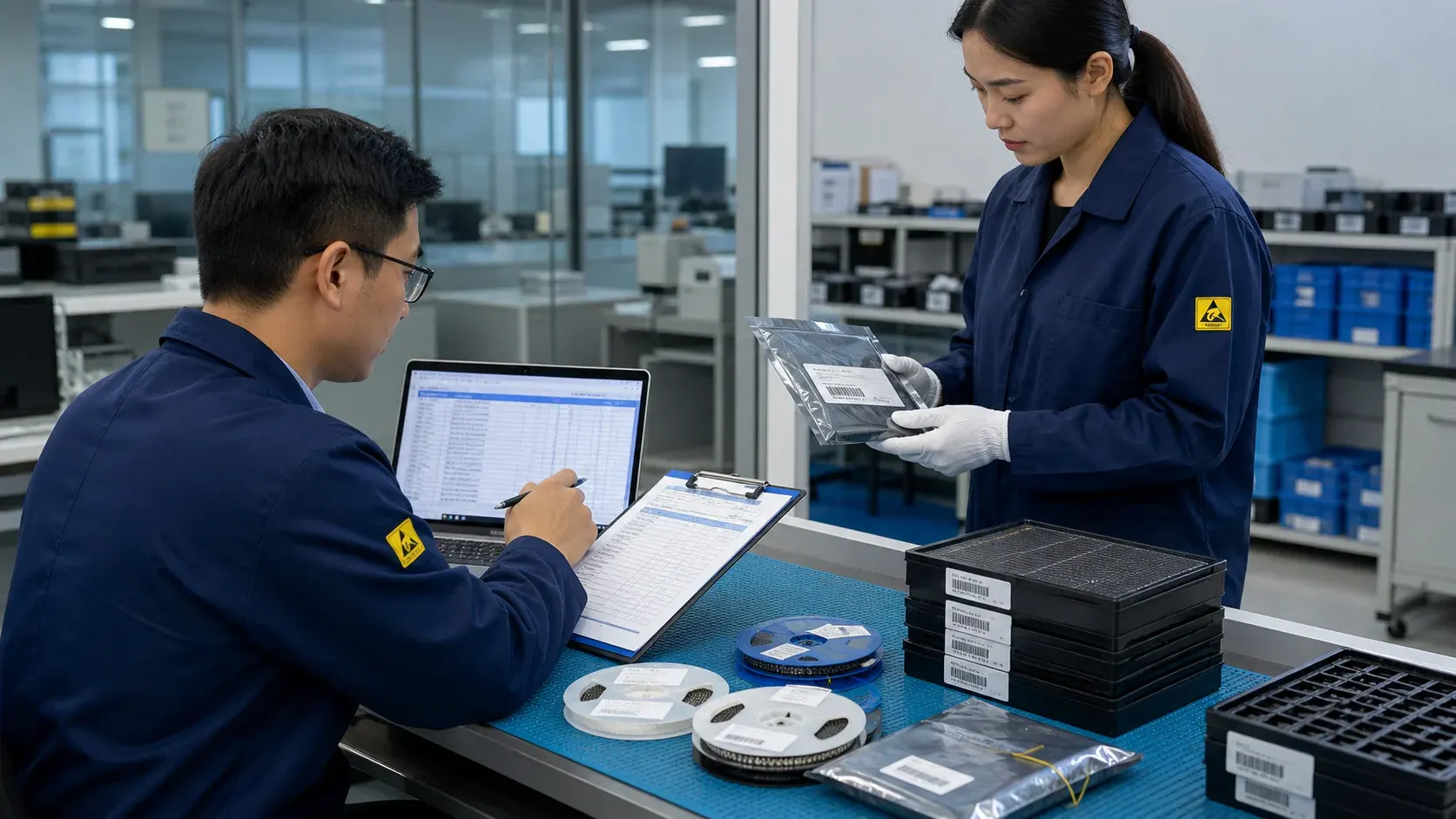
Product sourcing intelligence
WMSIC turns product data, package visuals, BOM context, and sourcing signals into practical RFQ notes for buyers.
Model text, package form, tray or reel details, and visual evidence are reviewed together before RFQ feedback.
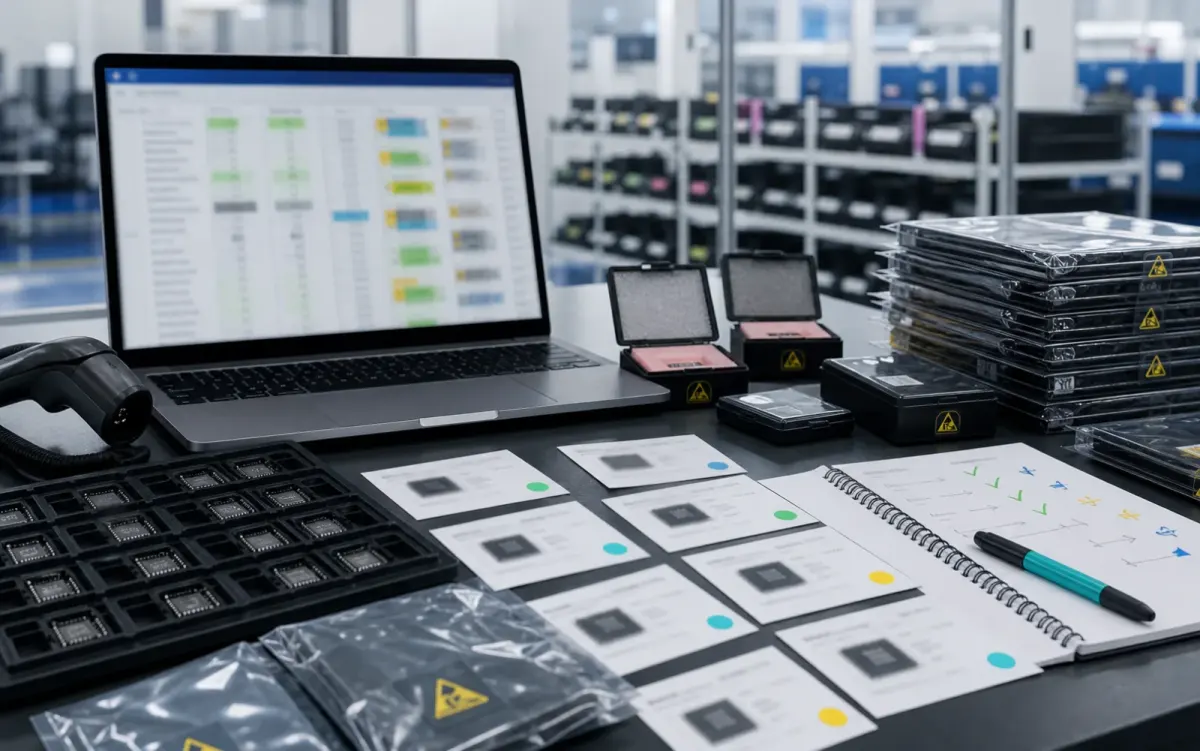
BOM lines are compared by package, parameters, quantity, and workable alternatives for cleaner sourcing decisions.
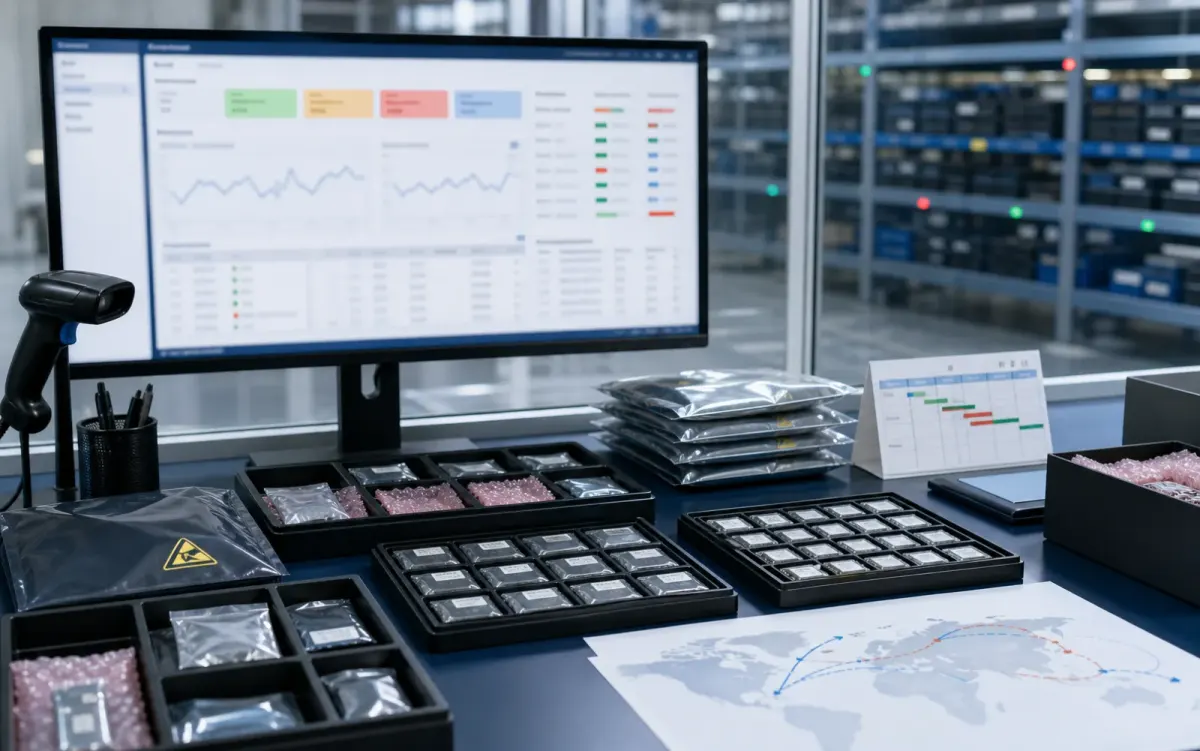
Stock routes, quotation confidence, lead-time notes, and shipment feasibility are checked before sales follow-up.
Buyer sourcing scenarios
Typical RFQ scenarios based on the WMSIC form fields, catalog data, manual review steps, and shipment preparation workflow.
The buyer shares the full part number, package requirement, quantity, destination, and available product photos so the quotation can record the exact version under review.
A multi-line BOM is organized into direct sourcing lines, lines that need package clarification, and lines where alternative-part review is permitted.
The original manufacturer part number, datasheet revision, application, critical limits, and acceptable changes are collected before possible candidates are discussed.
Sample quantity, minimum packing, package format, target date, and courier destination are kept together in one RFQ conversation.
Package photos, model markings, board context, and the quantity needed for repair help focus the sourcing review on the relevant version.
When a suffix or package note is incomplete, the response records the open difference and requests buyer confirmation before procurement proceeds.
Packing format, carton notes, invoice details, courier option, destination, and tracking handoff are coordinated around the confirmed order.
The request connects the previously used model, current demand, package evidence, target timing, and replenishment sourcing route.
Related products


