Model & package intelligence
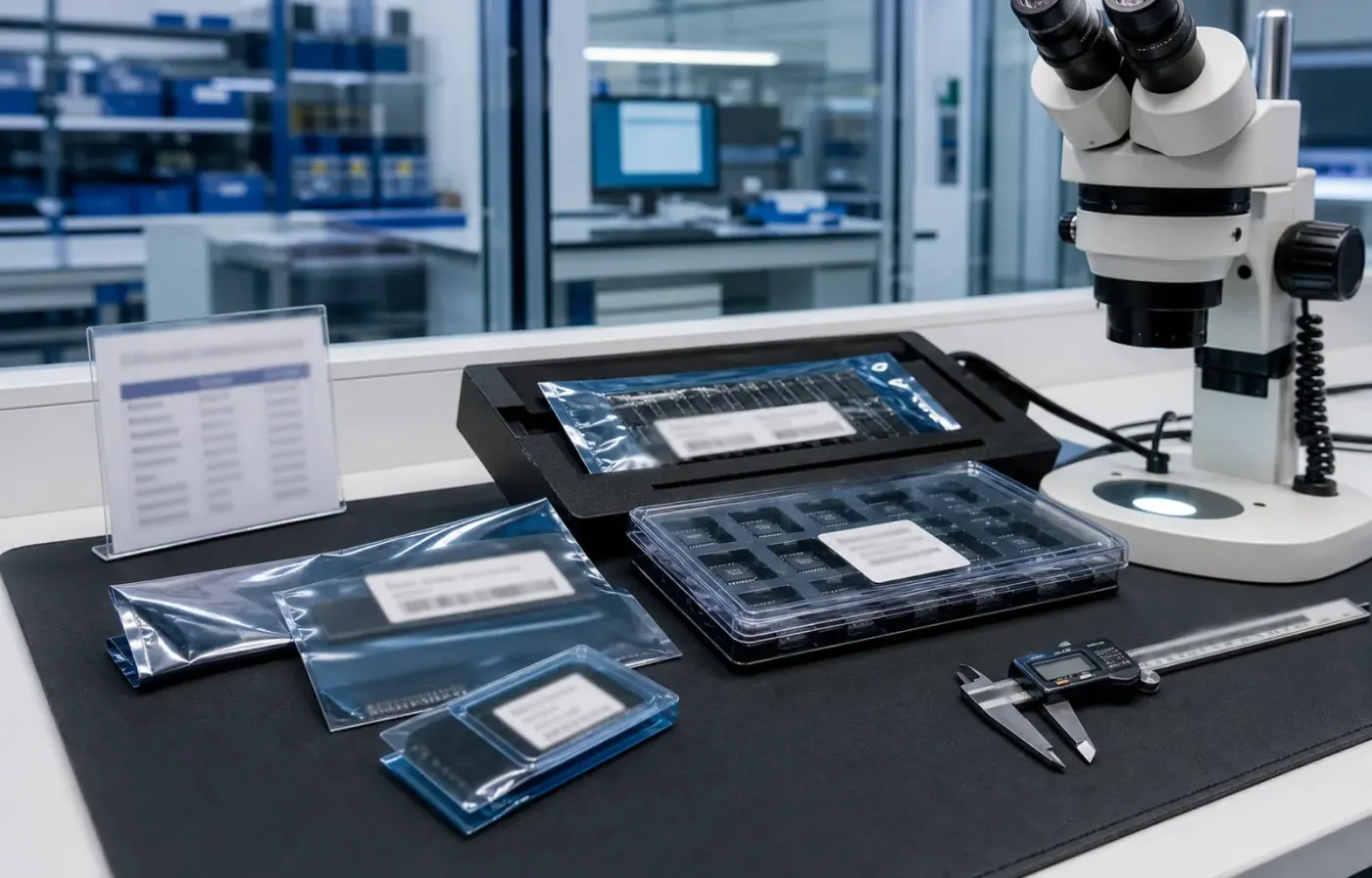
Model text, package form, tray or reel details, and visual evidence are reviewed together before RFQ feedback.
 WMSIC
Electronic Components
WMSIC
Electronic Components
Available for RFQ
Technical data
For datasheets, package documents, compatible-part guidance, or other technical resources, contact WMSIC customer service. Availability is confirmed case by case.
SN74LS20N是芯伯乐(XBLW)推出的一款双4输入与非门逻辑器件,属于经典74LS系列的兼容型号,兼顾低功耗与高速性能,适用于工业控制、消费电子等多场景的数字逻辑运算需求。
该器件基于LS(低功耗肖特基)工艺设计,核心特性包括:
SN74LS20N的电气参数针对不同工作电压做了优化,核心参数如下:
输入高电平(VIH)随供电电压自适应:
输入低电平(VIL)要求宽松:
优势:兼容TTL、CMOS混合电平场景,降低电平转换成本。
输出高电平(VOH)保证值:
输出低电平(VOL)典型值仅260mV,远低于常见逻辑阈值,确保逻辑判断准确。
SN74LS20N采用DIP-14直插封装,符合传统74LS系列引脚定义,便于替换与系统集成,引脚功能如下:
引脚号 功能 说明 1 1A 第一组与非门输入1 2 1B 第一组与非门输入2 3 1C 第一组与非门输入3 4 1D 第一组与非门输入4 5 1Y 第一组与非门输出 6 2A 第二组与非门输入1 7 GND 电源地 8 2B 第二组与非门输入2 9 2C 第二组与非门输入3 10 2D 第二组与非门输入4 11 2Y 第二组与非门输出 12 NC 空脚(无连接) 13 NC 空脚(无连接) 14 VCC 电源正(2V~6V)优势:DIP封装便于手工焊接与原型开发,引脚兼容所有74LS20标准插座,替换成本低。
SN74LS20N凭借宽电压、低功耗、高速特性,广泛应用于以下场景:
综上,SN74LS20N(芯伯乐XBLW)是一款性能均衡的双4输入与非门,兼具低功耗、高速、宽电压等优势,适用于从原型开发到工业量产的多场景需求,是数字逻辑电路设计的理想选择。
Request for quote
Use the form for single models, category sourcing, and multi-line BOM requirements.
Product sourcing intelligence
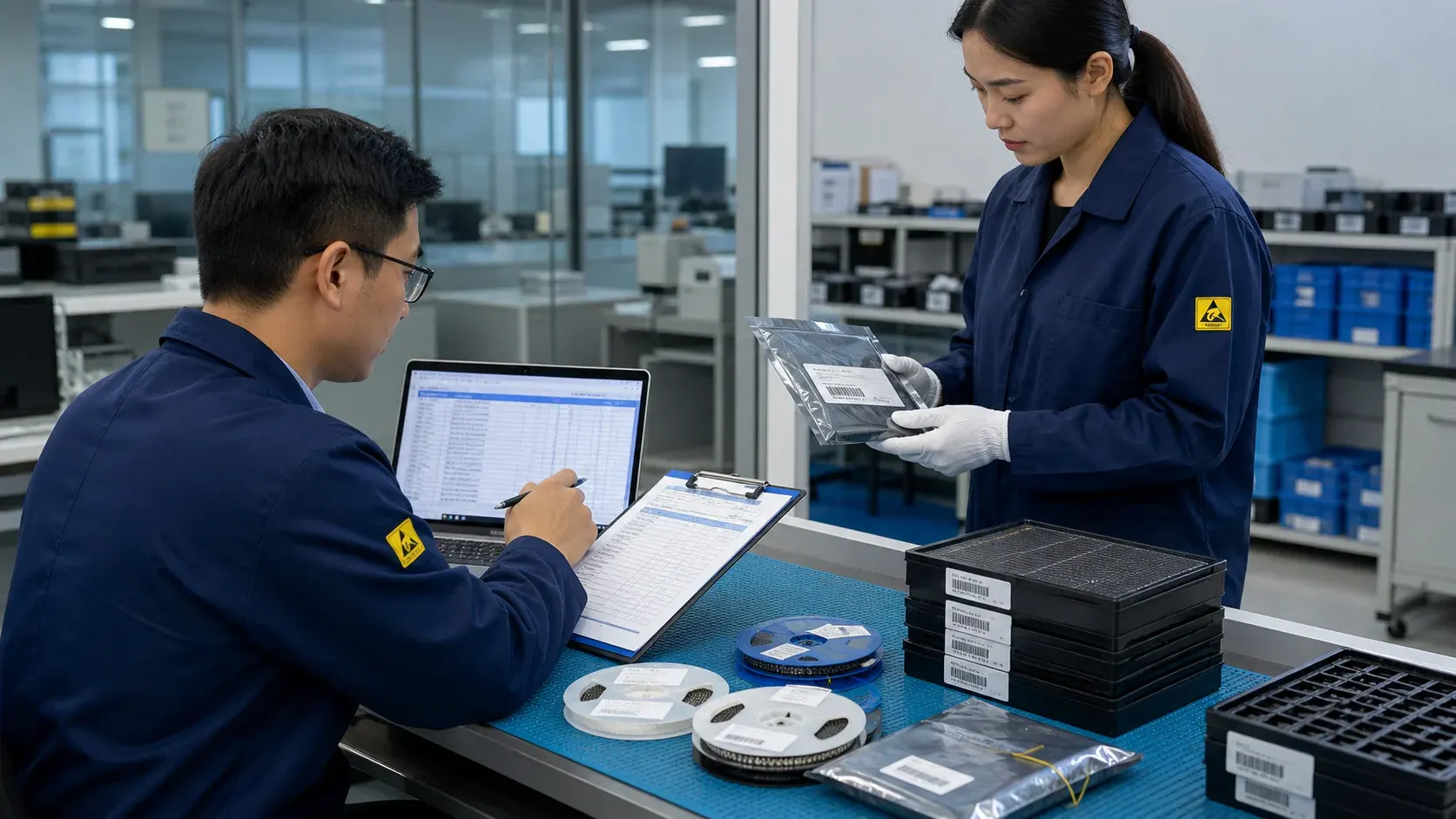
WMSIC turns product data, package visuals, BOM context, and sourcing signals into practical RFQ notes for buyers.
Model text, package form, tray or reel details, and visual evidence are reviewed together before RFQ feedback.
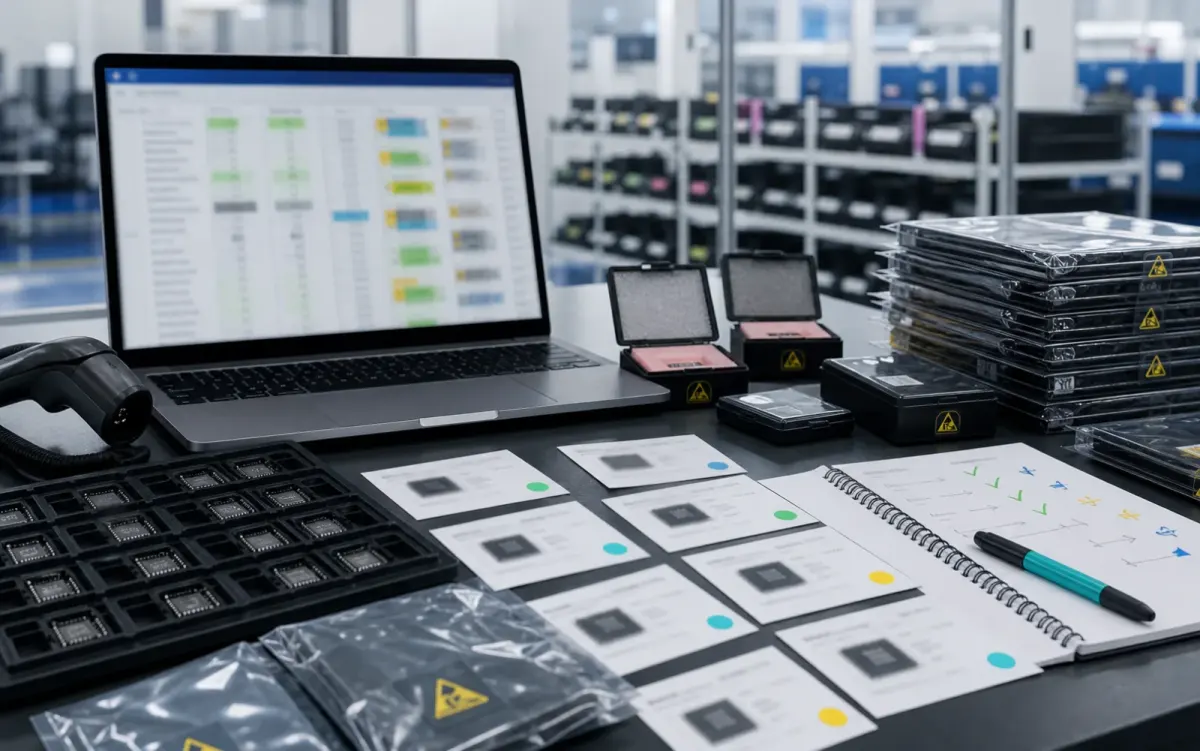
BOM lines are compared by package, parameters, quantity, and workable alternatives for cleaner sourcing decisions.
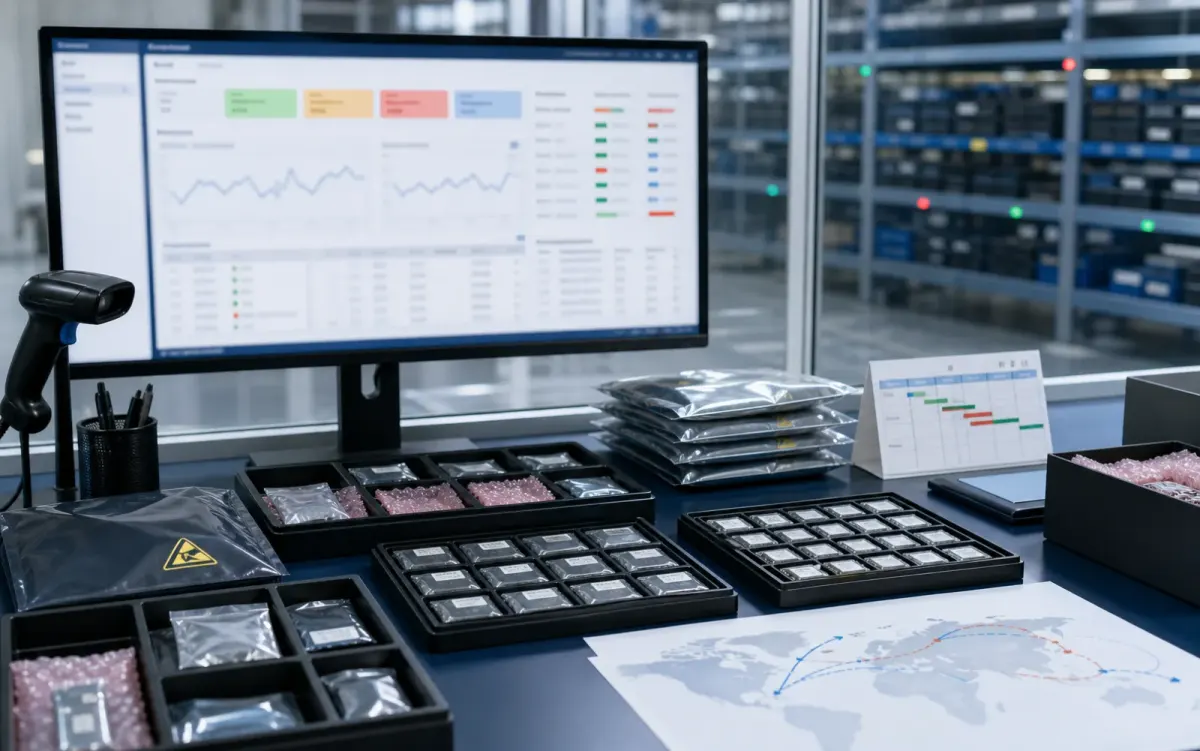
Stock routes, quotation confidence, lead-time notes, and shipment feasibility are checked before sales follow-up.
Buyer sourcing scenarios
Typical RFQ scenarios based on the WMSIC form fields, catalog data, manual review steps, and shipment preparation workflow.
The buyer shares the full part number, package requirement, quantity, destination, and available product photos so the quotation can record the exact version under review.
A multi-line BOM is organized into direct sourcing lines, lines that need package clarification, and lines where alternative-part review is permitted.
The original manufacturer part number, datasheet revision, application, critical limits, and acceptable changes are collected before possible candidates are discussed.
Sample quantity, minimum packing, package format, target date, and courier destination are kept together in one RFQ conversation.
Package photos, model markings, board context, and the quantity needed for repair help focus the sourcing review on the relevant version.
When a suffix or package note is incomplete, the response records the open difference and requests buyer confirmation before procurement proceeds.
Packing format, carton notes, invoice details, courier option, destination, and tracking handoff are coordinated around the confirmed order.
The request connects the previously used model, current demand, package evidence, target timing, and replenishment sourcing route.
Related products